Transcript of Creating Content that Ranks in Local Search written by John Jantsch read more at Duct Tape Marketing
Back to Podcast
Transcript
John Jantsch: Hello and welcome to another episode of the Duct Tape Marketing Podcast. This is John Jantsch and my guest today, guests as in plural, are Ian Cantle and Dan Gershenson. They are both marketing consultants and part of the Duct Tape Marketing Consultant network. And they with a couple other consultants in the network have written a book we’re going to talk about today called Content Marketing for Local Search: Create Content That Google Loves and Prospects Devour. So Dan and Ian, thanks for joining us.
Ian Cantle: Thanks for having us.
Dan Gershenson: Thanks for having us.
John Jantsch: So Dan, let’s start off talking about the end of the Bears game last night.
Dan Gershenson: Oh boy. Going to start there, huh? Okay.
John Jantsch: That was probably the wildest one minute of football I think I’ve ever witnessed.
Dan Gershenson: Yeah, yeah. Well, it’s nice to say we have a kicker in Chicago now, isn’t it?
John Jantsch: So depending upon when people are listening to this, I was referencing the Bears and the Broncos played on September 15th. But Dan being from Chicago, I knew I had to throw that in there. All right, let’s talk about this book, shall we?
Dan Gershenson: Yes.
John Jantsch: So first off, I’ll give you a chance to talk about the process itself. You wrote this book with you two, and you had three other co-authors on this. And just as somebody who’s written a book, a number of books myself, I just wonder is that kind of a chaotic process trying to wrangle a sort of similar thread with five contributors?
Dan Gershenson: Yeah, it is. It’s definitely five people is a little bit challenging versus just one or two at most. So it’s a different experience. But you know, we have to give a lot of credit to Ken Tucker, who really spearheaded this whole thing and kind of got things assigned as far as you know, who would tackle what. And it was very collaborative and we got it done. We got it done.
John Jantsch: Yeah. So I suppose a task master is really in order here.
Dan Gershenson: Yeah. Ken was the guy. Ken was the guy to start us off. And everybody kind of pitched in and we kept the focus. So it was good.
John Jantsch: So ostensibly this book is about content marketing because that’s what it says in the title. But then we quickly get to terms like search and Google also in the title. So are we suggesting that those two things are intrinsically linked together?
Ian Cantle: Yeah, I would say they are. You know, the small business and the local businesses that most of us work with that were writing the book find that if, you know, one of your main channels of driving new prospects and customers is really through search engines like Google, being the biggest one. And so having content that resonates with what people are searching for, can really bring in more customers. And as a business owner, that’s what it’s really all about.
John Jantsch: So, you know, I’ve been doing this a long time. Really in fact, I tell people all the time, I started doing this before we had the internet. So you know, all this search stuff and content stuff, you know, is for a lot of people is still relatively new. Even though it’s, you know, people have conceded that it’s not going anywhere. It’s here to stay. But there was a time when we would write for Google. I mean we would put words in there that we thought would attract them. And maybe it was kind of clunky feeling even to the reader. But hey, we wanted to attract the search engine. Obviously in your title you talk about prospects, you know, devouring this content. So there must be something to it that that clearly is focused on them. I mean, how do we kind of manage the connection between Google and prospects loving that content? Or does it just not matter anymore? Has Google gotten so good at developing the content themselves that we need to write for the audience of, you know, eyeballs?
Dan Gershenson: I mean, I always think John, that you’re always kind of wanting to write for humans first. Maybe some other folks out there have a different take. But I always write it from the standpoint of like you’re talking to somebody one on one. Particularly if you’re in the professional services, that’s kind of how you’re going to end up anyway.
John Jantsch: Yeah.
Dan Gershenson: So if you have a little bit more of that human approach, I think someone once called it human to human, not business to business or business to consumer, I think that’s a really good way to go. And then you know, you’re still going to write for Google, you still are going to optimize accordingly. But I’m just a bigger fan of writing for human beings first. And you know what do they think, what are the emotions they go through long before they buy anything of yours? So what are they, you know, what’s going on in their world? So many times when you sit down and interview and talk to people who are potential customers, you get a lot of that good stuff out. And I’d go there first.
John Jantsch: Well, and I guess part of my question also is, I agree with you of course. But I guess part of my question also was, is the reason we wrote for Google was because, you know, Google was a machine and it could only understand certain things and had to feed it. You know, has Google gotten or the search engines gotten so good at understanding the semantic meaning of what we’re writing that, you know, we don’t really need to worry as much about feeding the machine?
Ian Cantle: I think that’s true. I think it has evolved a long way. I think the interesting thing is that when you write for Google, you are writing for the end user that you’re targeting. Because the end result is you want them, when they’re searching for your product or service, you want your content to come up first. And so you’re aligning your writing or your content development with what people are searching for from the beginning. So that’s the people aspect. And Google is the conduit in which we’re working with.
John Jantsch: Absolutely. All right. So both of you work with small business owners. And I’m sure that you, you know, like all marketers, we use our buzzwords now, it’s content marketing, content marketing. What do you think that means to them? I mean, how would you define content or content marketing, you know, to a typical small business?
Dan Gershenson: I, no joke, I say, “Anything that can be written online or offline, I do.” That’s kind of how it’s sometimes has to be said. Because believe it or not, you can say a word like content and they may not know what that really means. And so, but even that, you know, I think as you’ve said many times, it’s not even that definition anymore. It’s a lot of other stuff. From video to community events, a lot of other things are pushing out the definition of what we know to be content. So no, I think that constantly needs to be educated and reeducated out there in the world for people.
John Jantsch: Because I think when content marketing first kind of came on the scene, it really was almost, you know, associated with blogging. You know? And I do think that it has expanded dramatically to the point where you can, and I think we need to broaden it. I would even suggest reviews are part of your content marketing.
Dan Gershenson: Absolutely.
John Jantsch: Even though that’s an element of content that you don’t get to write. But it certainly impacts your marketing. It is content, it impacts your marketing and it impacts your brain.
Ian Cantle: And in the book we do talk about that a little bit about how there’s customer driven content, just like the reviews you’re talking about, John. Where you know, ultimately if you can get your customers to create content for you, that’s a huge win. Because then it’s coming from their perspective, they’re a third party that represents, you know, the other customers and other prospects that are looking for your products and services.
John Jantsch: So one of the things that I know I’ve always had to fight with business owners, and I’d be interesting to get your guys’ take on this, is you know, when business owners produce content, when marketers produce a content, I mean lot of times we want that content to sell something. And so, you know, how do you balance the purely educate, build trust, with at the end of the day, you know, we want somebody to buy, to be a customer. How do you know, how do you balance that with content?
Dan Gershenson: I think sometimes we have to educate them on the marketing hourglass. Really to say content has its place in a lot of different ways. You know, and it would be great if people just read content and said, “I want to buy that.” But they don’t. And sometimes they are in research mode, whether we like it or not. And you know, they may be very well intent to buy, but that may be three, six months, even more. And there’s not a lot we can often do about that except to make sure that we’re keeping touch with them all the time with the right content for the right stage of where they’re making decisions. And so that’s where, you know, many times we have to say okay, what are we doing for the know, like, trust stage of things to kind of get them moved along?
John Jantsch: Yeah. Yeah, because I always kind of joke, but not really, say that you know, it’s very difficult to sell somebody a solution to a problem they don’t know they have. And you know, that’s a lot of what we’re doing in the beginning of that, what you just talked about with content. Is we have to help people understand what their problem is, that we understand what it is. You know, before we can talk about solving it, can’t we?
Dan Gershenson: Yeah. I think, you know, that’s where sometimes you might have like, let’s say for example, an e-newsletter, which could very well be sort of an early stage education piece. You know, they’re not necessarily ready to buy right then and there. But if you’re looking at it purely as well, they’re going to read this union’s letter and start buying things from me, that may be jumping a few steps prematurely. So that’s where they have to get the whole context of where this content falls in.
 John Jantsch: And now a little word from our sponsor. Intercom wants more of the nice people visiting your website to give you money. So they took a little chat bubble in the corner of a website and packed it with conversational bots, product tours, NPS surveys, all sorts of things that amplify your team and help you reach more nice people. Intercom Customer Unity got 45% more loyal users with Intercom in just 12 months. Go to intercom.com/podcast to start making money from real time chat. Then see everything else Intercom can do. That’s intercom.com/podcast.
John Jantsch: So if I’m reading your book and my burning question is how do I decide what to write about, where would I find that? How would you advise me on what to write about and maybe where to even put that content?
Ian Cantle: Yeah, there’s some really great tips in the book. A lot of it is based on who your ideal client is and really breaking down, just what Dan was saying about the customer journey. And thinking through, part of it that really helps people think through this is if you actually have a customer front of you, most people can naturally figure out through body language and how people are acting and the questions they’re asking, you know, where they are in their buyer’s journey. It’s a little more sterile when it’s in the the digital world. But when we start to work with clients and walk them through that process of, you know, really trying to understand where people are at in their journey, what their biggest problems are, that really helps them get their mind into it and to think about real customers rather than, you know, an avatar of a customer necessarily.
Ian Cantle: But a really easy place to start is frequently asked questions. Because most business owners, they know off by heart, you know, the top 10 questions that prospects or customers ask them. And that’s a really fantastic place to start because those questions usually represent the burning questions that customers or prospects have.
John Jantsch: Yeah and they’re used to getting those out there in the field when they’re trying to sell something too.
Ian Cantle: Yeah.
John Jantsch: So are there structural and technical aspects to getting the most out of your content when it’s placed online?
Dan Gershenson: I’ll tell you really from a structural standpoint, I think there are some pretty great tools to help folks who think that they may have to be a PhD in search engine optimization, you really don’t. I have often used, let’s say SCM rush even has a great tool where you can write something in Word and then plug it right in and it can tell you, “Hey, this needs to be fixed, this needs to be fixed, put some more of these keywords in.” And I think there’s going to be more and more of those types of tools. We’ve seen it with Yoast and in the back end and that makes life easier. So structurally that’s what I go to and say, okay well this will help not only save time, but it’ll actually optimize the whole thing accordingly.
Ian Cantle: Yeah. The one thing I would add to that is tools are only as good as the operator. And so, you know, I often get pulled into situations where people have hired marketers in the past to optimize their content on their websites, but they’re not seeing the results. And so they’ve brought us in as a third party. And when we take a look at it, the people that have optimized it in the past just didn’t understand how the keywords work from a Google standpoint. And so they were punching in whatever they thought was valuable. And sometimes they were competing with their own keywords on their own website.
Ian Cantle: And so there is a technical aspect to it where it really does help to understand what is it that Google’s trying to accomplish. And then using the tools appropriately. But I agree with Dan, there’s so many new tools popping up that if you can understand the basics of how Google works and what it’s looking for and how to use those tools well, I think there’s a lot of opportunities. But hiring an expert is a quicker way to get to your end result.
John Jantsch: So I’ll go to a question I’m sure you get, I’ve gotten numerous, numerous times. How much content do we need? How often do we need it?
Dan Gershenson: I’m not going to give you the, “It depends,” even though it is kind of it depends. You know, I will say this much, we are seeing more and more trends of going longer on content than going less than content. So the thing that really kind of annoys me is when I hear people say, “Well, nobody really reads anymore.” There’s just not any truth to that. There’s Neil Patel I think did a study not too long ago that said, you know, 2,000 words or more sometimes can be a really good thing. And so you don’t necessarily have to always do these, you know, 300, 400 word, you know, quick kind of blog posts. You can maybe spend a lot of time doing, I believe you’ve called it epic content. Where it’s something big, like a big idea kind of thing. But it really just keeps paying off for a long, long time. And so that can be worth it too. You don’t have to do that every time out. But that might be a good thing to consider it monthly or quarterly, perhaps, to go with everything else.
John Jantsch: So I already alluded to this idea of I consider reviews content, but you know, you don’t get to write those reviews on third party sites. So how does a business owner kind of reconcile the fact that they need that content, it’s become social proof, in some cases it’s become, you know, I know my kids, I mean, they look at the reviews for, you know, if they’re traveling or something and they’re looking for a restaurant, the reviews, you know, are where they start. So for certain businesses it’s live or die. So you know, how do we treat that sort of in the content puzzle?
Ian Cantle: It’s a great question. And there’s kind of two aspects to that. One is the getting the reviews. So somehow creating a proactive process for that where you’re within the solicitation rules that the different platforms have, you’re asking your customers, your satisfied customers to leave your reviews. And then there’s the other aspect of it of how do you leverage those reviews to their greatest impact so that more and more people see them? So, you know, on the first side asking customers is a great way to get reviews. Because most businesses actually don’t even do that. So it’s, you know, businesses can also leave a link on their email footer to, you know, Google in order to leave a review. But then there’s lots of ways to leverage those on social media as social posts. So, you know, “Here’s an example of what my customers feel about me.” And just showing the different five star reviews you get as a business. Because that just gives it greater exposure. And funny enough, a lot of people like to like and share those. They’re pretty popular.
John Jantsch: Yeah. So let’s throw another one in there that you don’t, I mean you do have control over, but a lot of people kind of ignore some of the opportunities. And that’s Google My Business. So what role does content on your Google My Business page come back into play then for your overall content marketing?
Dan Gershenson: I think it’s huge. I think it’s one of the most underrated tools right now that is out there, platforms that’s out there. You know, nobody really knows the magic formula for why sometimes they get in the Google three pack of local results other than the fact that if you do certain things like completely fill out your profile, your Google My Business from top to bottom. And you probably got some nice keywords in there from research. Doing what Ian said, as far as making reviews part of your process. Good things can happen. And so it’s kind of the convergence of all of these various factors.
Dan Gershenson: But you know, the content part of Google My Business is really making sure that you’re really filling out everything about your services that you can. And it’ll even allow now, you know, a little bit of video and things like that. So there’s ample opportunity to make sure that that is a great experience right then and there for somebody who comes across your business. Because let’s face it, I think Google is trying to, you know, make sure that you go to their place and nowhere else. So Google My Business is going to be around for a long, long time. I don’t think this is going away.
John Jantsch: Yeah. And they’ve, I’ve recently added posts and descriptions and you can put products and services on there. My take’s always been, with Google My Business, is that if Google puts it on there, they want you to fill it out. And they will never tell you, “We’re going to reward you by ranking you.” But I think that it’s not much of a leap to say that they are paying attention to that content, that data.
Ian Cantle: Absolutely. One of the terms that I love to tell people, because people are asking those questions all the time, is that Google loves Google. So if you can do anything on a Google platform, you will not be hurting yourself, you will be helping yourself. So I agree 100%. It’s an important platform that we can’t ignore.
John Jantsch: We’re talking about the book Content Marketing for Local Search. So Dan and Ian why don’t you tell people where they can find a copy of this book should they want to read it?
Dan Gershenson: Sure. If you go on Amazon and it’s up there right now. It is available, Content Marketing for Local Search is the first part of the title of the book. And just go on Amazon, look for five great authors: myself, Ian and three other folks. And you’ll get a lot out of it.
John Jantsch: Well, and we’ll have a link in the show notes to where people can find both the Kindle and print versions that will be available by the time you’re listening to this. So Ian, Dan, thanks for joining us and I will hopefully see both of you sometime soon.
Ian Cantle: Thank you, John.
Dan Gershenson: Thanks, John.
from Duct Tape Marketing https://ift.tt/2mUuQiR
via
IFTTT


 On this episode of the Duct Tape Marketing Podcast, I chat with Ian Cantle and Dan Gershenson, who are both marketing experts and members of the Duct Tape Marketing Consultant Network.




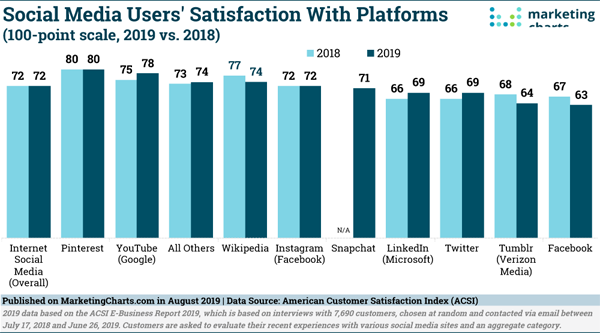 Since Twitter has launched so many new resources for brands to maximize their engagement on the platform — such as
  Twitter profile:
 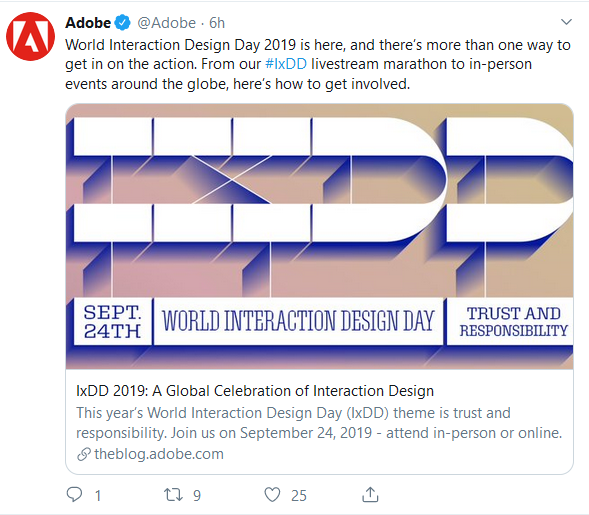 Whether it’s
  Twitter profile:
 Twitter profile:
 Twitter profile:
 Twitter profile: