In this episode of the Duct Tape Marketing Podcast, I interview Matt McWilliams, “The Affiliate Guy” and the President of Matt McWilliams Consulting. He provides marketing consulting to small and medium-sized businesses ranging from retail clothing to music instruction.
Previously, he was the Internet Marketing Manager at Legacy Learning Systems in Nashville, Tennessee. Legacy’s ‘Learn and Master series’ has a mission of “Bringing Personal Dreams Within Reach,” making difficult skills, such as guitar, piano, drums, ballroom dancing, and more accessible through multimedia self-education courses.
In 2010, Matt won the Affiliate Summit Pinnacle Awards Affiliate Manager of the Year. The Affiliate Summit Pinnacle Awards are affiliate marketing’s most prestigious, competitive honor for the leaders in the space. He has also won awards from ABestWeb, the leading online affiliate community, for his affiliate management skills and advocacy of affiliate marketing. He won the 2009 Affiliate Manager of the Year award there as well as leading Legacy Learning Systems to be named Most Improved Affiliate Program (with over 70% of the votes) and a second-place finish for Best Affiliate Program.
Questions I ask Matt McWilliams:
In a way, there is a tremendous amount of crossover between the concept of referrals, strategic partners, and even networking. How can you see meshing those things together as a way to actually be a great business champ?
In a traditional referral model, I want that person to know the product, to know me, and to know the people who are actually referring the product. So does that take a whole different mindset and approach than the “Hey sell my product and you can get 10%”?
You see a lot of people who do the “5 best email service providers” reviews and it’s clear the one that they are promoting. Doesn’t that run the risk of being dishonest or if nothing else kind of disingenuous?
What you’ll learn if you give a listen:
What makes an affiliate and a strategic partner
When you should start affiliate marketing
Key mistakes that are made by first-time affiliate marketers
This episode of the Duct Tape Marketing Podcast is brought to you by .site.
Have you ever tried looking for a domain name? Chances are that the first few options you tried were not available. You are not alone!
Now you have the power to change this. You can get the exact domain name that you want on new domain extensions such as .site. It is short, it is simple-to-understand and it literally means “website” so it’s perfect for any website that you might be building.
In fact, I got myself www.selfreliance.site where I talk about my book ‘The Self Reliant Entrepreneur’ and share content to help people become self-reliant in their entrepreneurial journey.
You too can get your very own .site domain for as low as $1.99. Visit www.get.site. Search for your unique .site domain and use code ‘selfreliance’ to get 50% off on your domain purchase.
from Duct Tape Marketing https://ift.tt/3ffJDuh
via IFTTT
What is every B2B marketer’s favorite word? Process. Okay, I’m kidding. For people who live and work in a creative field like B2B marketing, process has a little bit of a reputation. A reputation for stifling the creative process with extra steps, procedures, and — depending on who you ask — hoops to jump through. While it’s certainly true that too much process becomes a hindrance, it’s also true that not enough process becomes chaos. We need processes to onboard new staff, establish marketing innovations, create more efficient projects, and more. With such a critical — and controversial — role in B2B marketing, it makes sense that marketers have a lot of questions when it comes to processes and the projects they aid. You may even be one of those marketers. To help you get the answers you seek, here are the most frequently asked questions B2B marketers have about process and projects.
Question #1: Do we really need another process?
Easily the most asked question of the bunch. Striking the right number of processes is a real balancing act. Too many and it feels as if there is no freedom. Not enough and there’s no order keeping everything together. To get just the right mix of order and freedom, B2B marketers need to be asking this question. So, what’s the right answer? It depends. Do a gut check on your current processes. Are they helping the work or are they preventing the work? If you and your fellow marketers feel like they’re getting in the way, you should look at reinventing an existing process instead of adding another one to the mix. Too often, the impulse is to make a new process. Instead, we should put our marketing hats on and optimize the processes we have.
Question #2: Where can I find my processes?
It’s tough to find the right process. For example, here at TopRank Marketing, we have hundreds of documented processes but only a handful of them apply to our influencer marketing team. So, how are they supposed to find the processes they need without having to sort through the rest of them? It’s natural for marketers — and everyone, really — to wonder where the processes that pertain just to them are located. For us, that meant creating a process database with segments for each team. This helps us keep our processes organized, clear, and concise. With the central hub, any team member can come, search for the action they need to perform, and find the process they need to follow. The easier we can make it to find the right process, the more likely they are to be followed.
Question #3: Are we following the process?
Speaking of following processes, a process becomes useless unless it is followed. So it makes sense that marketers are wondering how well process is being followed. However, it’s a little hard to measure and track. Whether it’s due to falling back on old habits, or forgetting a few steps, following a process to a T is tough to do. It’s much more likely that only 50 - 90% of the steps of a process are followed. And then there are the times that we ignore the process altogether. To ensure process is being followed, there are a few things every process needs:
First, every process needs to document the steps and who is responsible for each one.
Second, each process should have a scenario for when the process gets triggered.
Lastly, processes need to hold someone accountable for ensuring it gets followed.
These three things ensure marketers know when they need to do a process, who needs to do what, and indicates a process owner in case the process falls off.
Question #4: How far along in the project are we?
Process and project management go hand in hand. Each marketing campaign we’re behind has a method to the madness and project management helps us keep it all organized and tracked. But oftentimes projects just become a massive list of tasks to complete, making it even harder to know what stage in a campaign you’re at. We’ve found that using milestones helps us keep track of our progress. Our campaign milestones are typically:
Discovery - At this milestone in the process, we meet with the client and get a sense for their needs, objectives, pain points, and more.
Strategy - Here, we formulate a strategy and marketing mix that will best help us achieve our goals.
Execution - As the name suggests, the execution milestone is the part in the project/process where we complete the work.
Optimization - Our last milestone is where we monitor our campaign results weekly and compile recommendations to optimize our performance.
With tasks that roll up into each of these milestones, we’re quickly able to see what’s been completed and what hasn’t, without having to check on each individual task. Using milestones also enables us to see which pieces of our campaign process are the most and least efficient, helping us optimize our processes and projects in the future. [bctt tweet="“Using milestones enables us to see which pieces of our campaign process are the most and least efficient, helping us optimize our processes and projects in the future.” @annieleuman" username="toprank"]
Question #5: How are we executing projects against scope?
The way our projects and processes are built help set our campaigns up for success, avoiding scope creep, maintaining profitability, and bolstering our bottom line. As B2B marketers, this speaks to us on a personal level. And it begs the question: how are we executing against scope? To get an accurate picture of our own execution and performance, we compare our scoped, planned, and actual project hours. This helps us reveal how much time is spent at each step of the process and how over or under scope that time was. With this data and insight, we can then alter our scopes to better match our processes and how long they take.
Trust the Process. Trust the Project.
While we don’t love it all of the time, process is a necessary part of any business, including B2B marketing. And to make sure our processes are working for us, not against us, we need to make sure we have the answers to the questions above. We need to know if more process is needed or less. We need to know where our processes and projects are. And we need to know how well we’re following them. For more tips on how to juggle process and project management for B2B marketers,read this guide.
Today’s show is part 2 on podcasting. If you missed part 1, I covered why every small business should have a podcast, you can go back and listen here. In part 2, I am going to talk about being a guest on one of the millions of podcasts that are already out there.
Podcasting has grown substantially over the last few years, one of the biggest reasons for this growth is because this form of media is so portable. The audio files can play on your phone, on the go, or at your desk. Take advantage of the fact that every major media outlet has gotten into the podcast game and needs guests.
Listen and learn:
The benefits of being a guest on a podcast and SEO that comes with it.
This episode of the Duct Tape Marketing Podcast is brought to you by Zephyr.
Zephyr is a modern, cloud-based CMS that’s licensed only to agencies. The system is lightweight, easy to use, and incredibly fast. And with an array of beautiful themes to choose from, you can get your clients’ websites up-and-running quickly and with less effort. Or, if you’d rather build a custom site, Zephyr includes agency services to be your plug-and-play dev shop.
Zephyr is passionate about helping agencies create great websites for their clients. To learn more, go to Zephyrcms.com.
from Duct Tape Marketing https://ift.tt/3dRQmtZ
via IFTTT
It’s never been more important for brands to show purpose and to be connected to what’s important to customers. As our CEO Lee Odden recently observed in Marketers: We Can Do Better Than Words with Action, "We can all agree that there has to be a change and that we can all play a part in some way, large or small," a call to action that is being taken to heart by individuals and brands alike. Here are 5 examples of B2B brands making a difference today by going beyond words and taking action.
1 - Microsoft United For Change
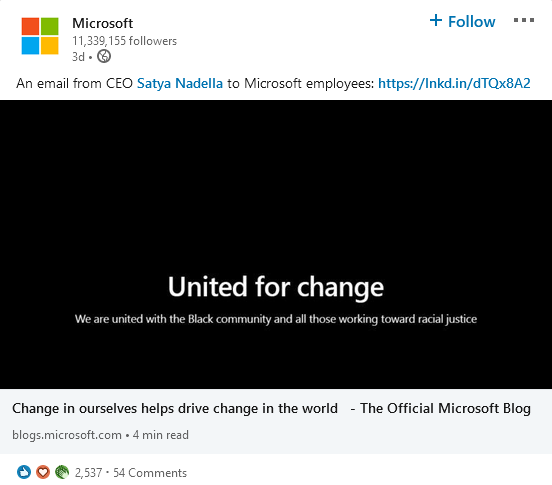
Microsoft’s “United for Change” initiative was announced by company CEO Satya Nadella in an email to the firm’s employees, also made public in a post on its LinkedIn* page. “We all have a role to play. I will do the work. The company will do the work. I am asking each of you to do the work. And together, we will help make the difference we want to see in the world,” Nadella said, while offering solidarity and quarter million dollar donations to the Minnesota Freedom Fund, the Black Lives Matter Foundation, the Equal Justice Initiative, the Innocence Project, The Leadership Conference, and the NAACP Legal Defense & Education Fund. “We have to act. And our actions must reflect the values of our company and be directly informed by the needs of the Black and African American community,” Nadella urged. Microsoft has also publicly taken a stand and shared its purpose on the global health crisis front, from an extensive COVID-19 response resource page detailing numerous ways the company is taking action facing the pandemic, to special messaging on its social media profiles. “At Microsoft, we’re working to do our part by ensuring the safety of our employees, striving to protect the health and well-being of the communities in which we operate, and providing technology, tips, and resources to our customers to help them do their best work while remote,” the company shared front-and-center on its LinkedIn profile. Microsoft turned its pandemic-shuttered headquarters Commons dining facilities and re-purposed them into a hub that’s now made over 120,000 lunches for kids and families through programs including the Boys and Girls Clubs, YMCA, Hopelink, and Northwest Harvest — a move that also helps support the firm’s many local growers and food suppliers, using up to 65 Microsoft volunteers daily. Microsoft-owned LinkedIn also issued a strong statement of support for those calling for change, and followed up with action by making a series of LinkedIn Learning courses on diversity and inclusion available for free. The company is also sharing perspectives from Black employees on its various social media profiles, stating “Being a strong ally begins with listening, so we are sharing stories to amplify perspectives from the Black community.” [bctt tweet="“We have to act. And our actions must reflect the values of our company and be directly informed by the needs of the Black and African American community.” Microsoft CEO Satya Nadella @satyanadella" username="toprank"]
2 - IBM Emb(race)
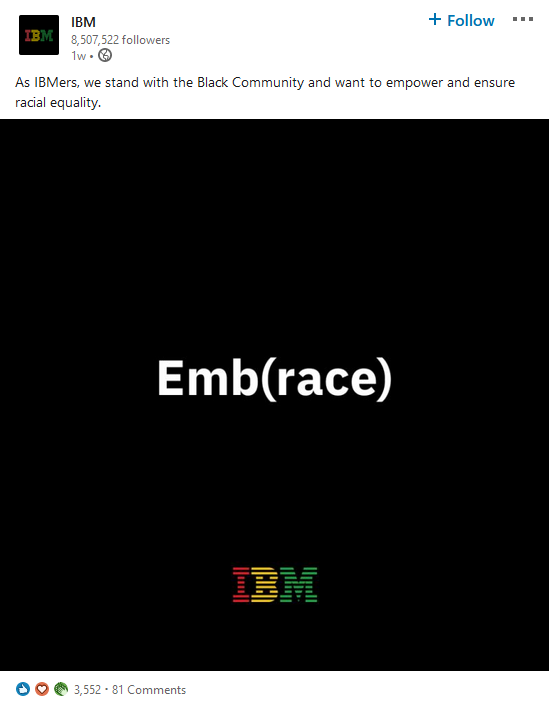
IBM CEO Arvind Krishna sent a letter to Congress on June 8th with a strongly worded offer to work with the Senate and House of Representatives on three key policy areas:
Police reform
Responsible technology policies
Expanding opportunities
The last two are particularly noteworthy. IBM was involved in the development of facial recognition and analysis software, but as Krishna notes, is no longer offering that technology. He states, “IBM firmly opposes and will not condone uses of any technology, including facial recognition technology offered by other vendors, for mass surveillance, racial profiling, violations of basic human rights or freedoms, or any purpose which is not consistent with our values and Principals of Trust and Transparency.” Additionally, he calls for a national dialogue on whether or how the technology should be used by law enforcement and calls for advancement of technology that “brings greater transparency and accountability to policing such as body camera and modern data analytics techniques.” Finally, Krishna urges Congress to support training and education in “new collar” jobs that require specialized skills, but not necessarily a traditional 4-year college degree. He provides as an example P-Tech, a grade 9-14 model developed by IBM, currently at work in 220 schools serving some 150,000 students.
3 - Dropbox Black Lives Matter
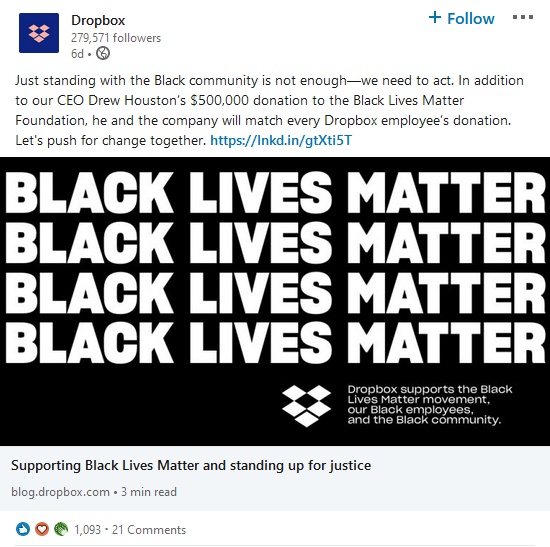
Dropbox CEO Drew Houston donated $500,000 to the Black Lives Matter Foundation, praising that organization’s “direct work to eliminate violence and systemic violence against Black people.” He also pledged to match every donation made by a Dropboxer in June to the BLM Foundation, the NAACP Legal Defense and Educational Fund, and the National Urban League. Dropbox has held Town Halls to address issues of racial inequality, and to explore actionable ways individuals can be part of a solution. The company also took a half day pause on June 5th so employees could volunteer, read, and reflect on recent events.
4 - HP Leading With Values
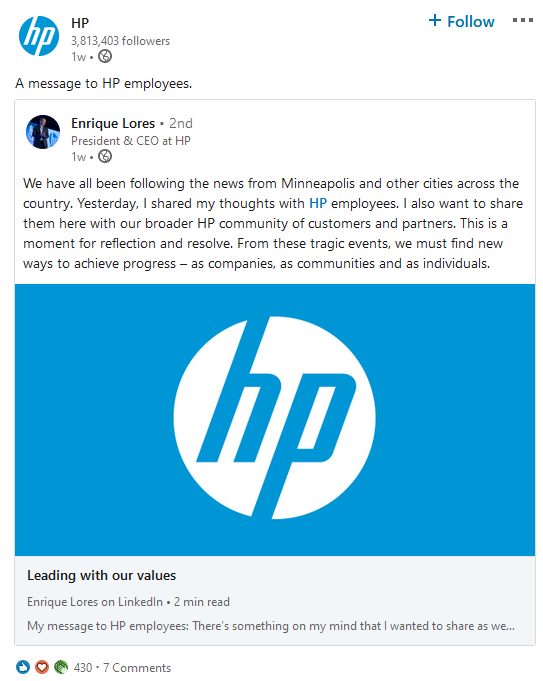
HP has offered up a number of initiatives that focus on turning listening efforts into action for the entirety of the organization, and has also explored how companies can best take this opportunity to build sustainable and scalable future movements. "Don't mistake good communication for action," Karen Kahn, HP's chief brand and communications officer recently said. "There is a really big difference. Writing well on behalf of our companies and executives is very different from corporate policies, procedures and actions on behalf of our brands," Kahn observed. Kahn and Lesley Slaton Brown, HP's chief diversity officer, explored a variety of ways HP is going beyond communication into the realm of action in a recent hour-plus interview with Aarti Shah, executive editor at Provoke. By opening up the core values of the company, HP reminds both employees and customers what the company stands for — at a time today when brand purpose is likely more vital than ever before. [bctt tweet="“Don't mistake good communication for action. There is a really big difference.” Karen Kahn of @HP" username="toprank"]
5 - Citrix
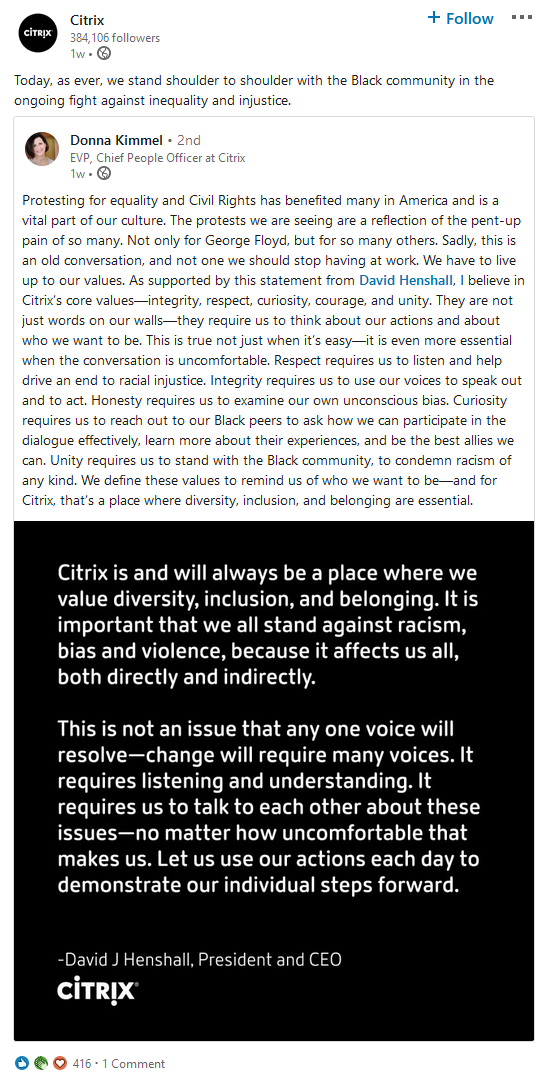
In addition to a variety of diversity programs outlined recently by CEO David J. Henshall and on the firm's "You Below at Citrix" page, Citrix has presented a multi-tiered approach to taking action in light of the global health crisis, including $17 million to support communities, doubling up on the company's employee matching charitable donations to COVID-19 related causes, and two new paid days off annually for employees to volunteer and the non-profit of their choice, including new virtual volunteering options. During the pandemic Citrix has also expanded its partnership with the Girls Who Code program, including matching donations from employees, customers, and other partners in an effort to continue paving the way to a more equal and empowered future for the project, with new "Code at Home" activities for millions of students and educators while schools remain closed. Citrix's COVID-19 resource page includes statements from Henshall, plus a variety of helpful resources for customers wishing to take action.
B2B Brands Benefit From Showing Purpose Now More Than Ever
Now more than ever it's important for brands to have and actionably demonstrate purpose, and to be connected to what’s important to customers. The examples we've looked at from Microsoft, IBM, Dropbox, HP, and Citrix show a small sample of how brands are going beyond words and taking action, and we hope they will serve to inspire you to move beyond words in both your professional and personal lives. * LinkedIn is a TopRank Marketing client.
In this episode of the Duct Tape Marketing Podcast, I interview Michael Zipursky, the CEO of Consulting Success. He’s advised organizations like Financial Times, Dow Jones, RBC, Omron, Sumitomo and helped Panasonic launch new products into global markets, but more importantly, he’s helped over 370 consultants from around the world in over 50 industries add six and seven figures to their annual revenues. He is one of the world’s top authorities on growing a consulting business.
He is the author of 5 books including Profitable Relations: How to Dramatically Increase Your Profits By Giving Customers What They Really Want, the Consulting Success System: How to Become a Successful Consultant, and the Masters of Consulting Interviews. His latest book Act Now: How successful consultants thrive during chaos and uncertainty is on amazon, audible, and kindle.
Questions I ask Michael Zipursky:
What are you telling people now who want to start a business, because the environment of going out and networking has gotten a little tougher?
How do you not fall into the herd of people who are doing it? How do you stand out now?
Have you seen an upheaval in fees, have you seen a real downward pressure on fees?
What you’ll learn if you give a listen:
Where the opportunity of work is during these times
Tactics in the marketing world that have come out of this uncertainty that will stick
Key elements of building a platform for your business
This episode of the Duct Tape Marketing Podcast is brought to you by Klaviyo. If you’re looking to grow your business there is only one way: by building real, quality customer relationships. That’s where Klaviyo comes in.
Klaviyo helps you build meaningful relationships by listening and understanding cues from your customers, allowing you to easily turn that information into valuable marketing messages.
You’ve probably heard about them from a friend, a textbook, or even at school.
I know it sounds like a boring topic that’s common sense, but there is more to it than meets the eye.
And no, it’s not just for large companies… the smaller you are, the more important for you it is to leverage the 4 Ps.
So before we dive into it, let’s first break down what they are…
What are the 4 Ps of marketing?
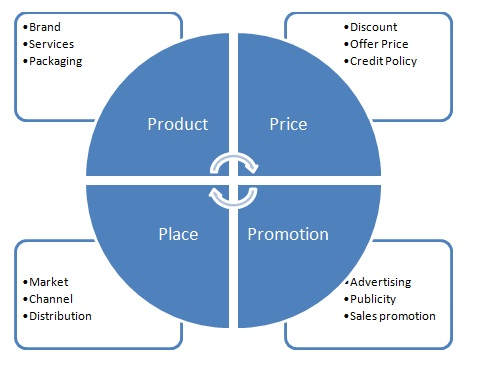
The 4 Ps of marketing is a famous concept that summarizes the 4 basic pillars of any marketing strategy: product, price, place, and promotion.
It sounds simple and it really is (the harder part is implementing it, which we will get into later).
The idea behind the theory is that if you implement them, you will generate more sales. But sadly nothing is that easy. :/
The origin of the concept, also known as marketing mix, goes back to 1960 when McCarthy introduced it in his book Basic Marketing: A Managerial Approach.
I know that’s ages ago, but it is just as valid today.
Let’s dive into each P…
Product
The product is what the company sells.
It might be a product like a soft drink in the beverage industry or dresses in a clothing store. Or these days it may even be software like Ubersuggest.
It could also be services, such as consulting or a paid speaking gig or even a therapy session.
In short, the product is everything that is made available to the consumer.
In the 4 Ps strategy, defining this means understanding what your offer needs in order to stand apart from competitors and win over customers.
In other words, what makes your product so great or unique? Because if you don’t stand out it’s going to be hard to thrive.
For example, you may know about my product Ubersuggest, but you probably already know about a handful of my competitors?
So what’s the big thing that makes my product stand out from everyone else?
I don’t focus on features… I don’t have 100s of reports… instead, I focus on usability. My goal is to make Ubersuggest really easy to use, especially if you are new to marketing.
On the flip side, my competitors focus on ad agencies and really advanced marketers. I built something for a different target market, even though I am in a crowded market place.
How to create an amazing product that your customers love
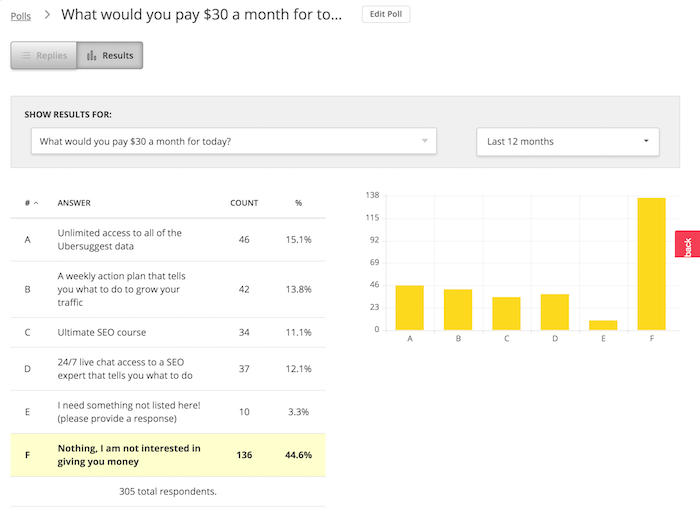
I want you to do something simple… go to Hotjar, signup for a free account, and run a poll. Just like the one below.
I’ve been running polls for a while now, but if you are starting off I would ask open-ended questions like:
What’s the biggest problem I can help you solve? (This will give you an idea on what your product needs to do)
What’s your favorite marketing product and why? (You’ll want to replace the word “marketing” with whatever industry you are in… this question gives you an idea about who your competition is and what they are doing right)
Why did you come here today? (This will tell you why people come to your site and what they are looking for)
How can we make our product better? (This is great if you already have a product up as you will get real feedback)
What don’t you like about COMPETITOR ABC? (Replace competitor ABC with your competition’s name… this question tells you where there is an opportunity)
I want you to pay special attention to the last question. It really helps you identify how you can differentiate yourself from the competition.
Now, before you go and build a product (or make yours better if you already have one), don’t invest too much time and money without getting feedback.
For example, if I were to add a new feature to Ubersuggest, I wouldn’t just build it. I would get it designed, show you first, get feedback, and then adjust from there.
That way I won’t waste months’ worth of time building a product you don’t want to use.
Price
Price is simple, it refers to how many you charge for your product (or service).
And although it’s simple to understand, it’s really hard to come up with the “right” price. The one that doesn’t just drive the most amount of sales but also drives the most profit.
The real question is, how do you want to be perceived?
Amazon wants to be the place where you can get the best-valued products from A to Z. And of course, delivered at a fast pace so it’s convenient for you.
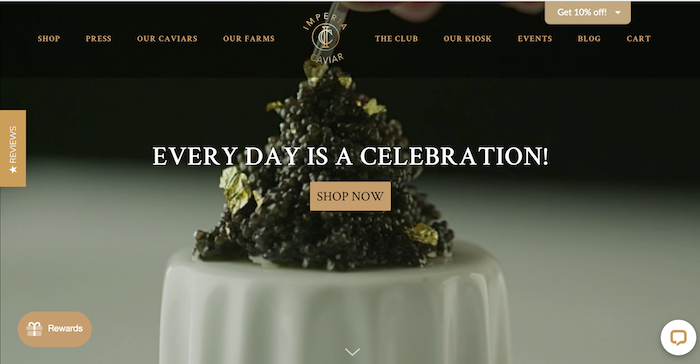
My buddies’ company, Imperia Caviar offers high-end caviar at low prices. He’s able to get the same caviar that big brands charge thousands of dollars.
You would think that by having a cheap price he is cheapening his brand, but instead, he is bringing transparency to the market and educating people on how caviar isn’t really expensive… it’s actually just a marketing ploy.
I take a similar approach to Ubersuggest. I don’t think marketing software and education should be so expensive. So I give a lot away for free or super cheap.
Do you think that has cheapened my brand or hurt it? Well, let’s look at the data:
I guess not. 🙂
But on the flip side, would Ferrari be Ferrari if their cars were selling for $10,000? Probably not.
How to pick the right price for your product
By no means am I a pricing expert so I don’t want to tell you what to price your product at. But I will tell you to read the Price Intelligently blog. Those guys know to price like the back of their hand and they have dozens of articles that will teach you exactly how to price your product.
It’s important to think about pricing, especially if you are in a crowded space. My rule of thumb is: If you are in a new space or already a leader, you can charge a premium amount.
On the flip side, if your space is saturated and you are late to the market, you’ll want to consider having a cheaper price (if not the cheapest price).
Some questions you should ask yourself are:
What would be the lowest price you are willing to sell your product?
What would be the highest price that consumers would be willing to pay?
How sensitive to price are your customers?
What prices do current leaders in your niche charge?
How does your price compare to the competition?
Place
“Place” is another word for location.
As they say in marketing, it’s all about the… location, location, location.
I once ran a tech conference in Los Angeles called Twiistup.
It was a cool event with LA vibes and celebrities. I didn’t create the event, I bought it out years ago.
But you know what? It failed.
It wasn’t because the event wasn’t good, it was more so that I moved it to a terrible location.
I moved it from Santa Monica, which is the heart of the Los Angeles tech scene, to the valley, which is an hour drive from where all the tech companies are located.
In other words… location, location, location.
You have to pick a location where your customers are. Don’t expect them to come to you, you have to go to them.
How to pick the right place
The web is this virtual world. And although the location (place) may seem irrelevant, it really isn’t.
Just think of it this way… if I put my company all over Tiktok, what do you think would happen?
Well, I wouldn’t generate any new clients for my ad agency because none of my ideal customers are on Tiktok.
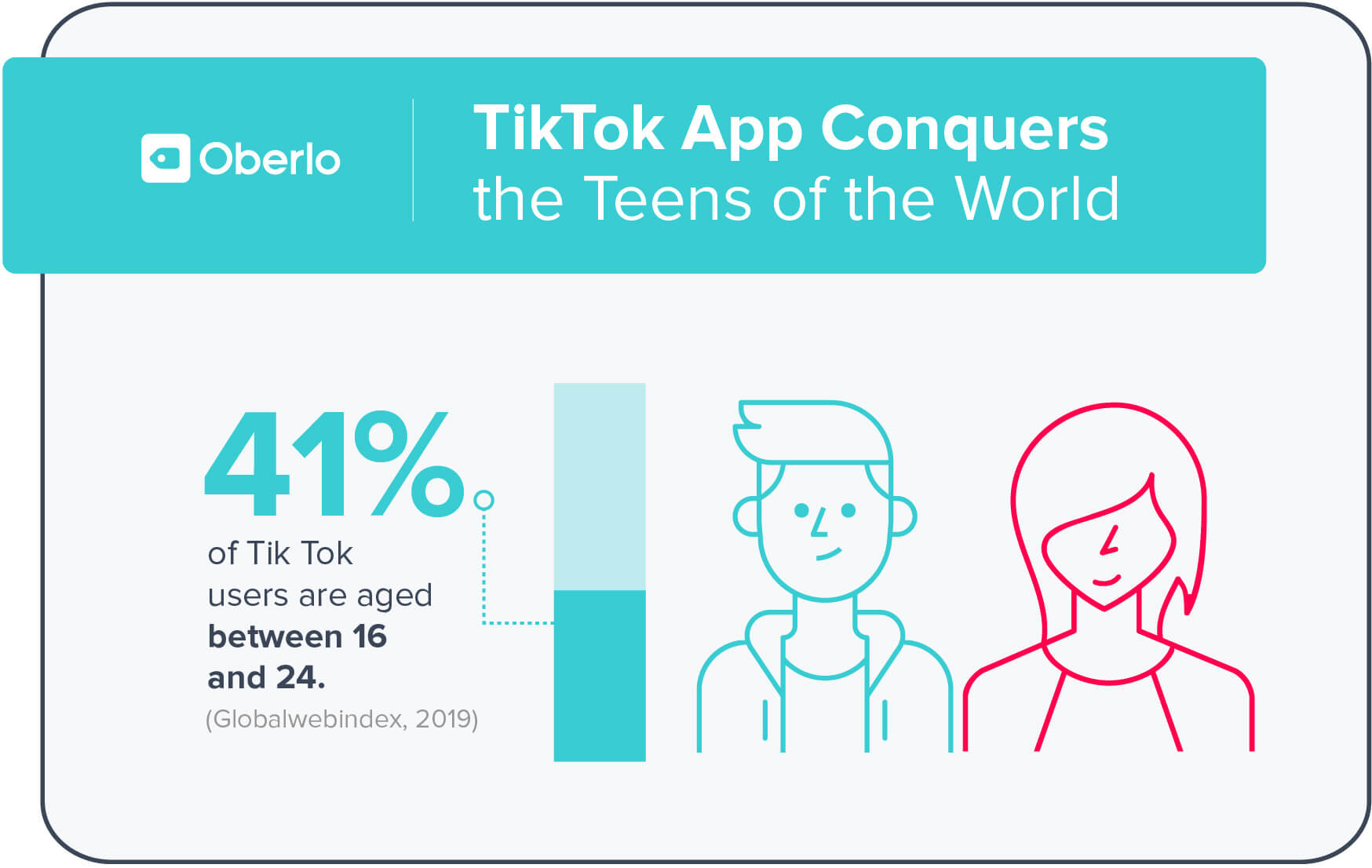
Do you think a bunch of 16 to 24-year-olds are looking for marketing services? If we offered services where we helped you get more social followers, sure… but we don’t offer that.
Think of the platforms and places your ideal customers are and be there.
That could be a specific site like Google or even an offline venue like conferences. Don’t try to bring your customers to you, go to where your customers are… it’s much easier.
Here are some simple questions to ask yourself so you can find the right place.
Where is your customer?
Which outlets (online and offline) sell your product?
Which distribution channels are currently working for you?
Do you sell directly to businesses or consumers?
Do you sell directly to your end customer or do you have to go through middlemen?
Where are your competitors?
The customer should always be at the center of your decision, but it’s important to also include aspects of the other Ps that we discussed.
Promotion
My favorite P… and the one I tend to blog about the most.
Promotion!
Once you’ve optimized the previous 3 Ps, it’s time to promote your offer.
And to be clear, when I talk about promotion I am not just talking about getting your brand out there… I am talking about generating revenue.
What’s the point of promotion if you can’t drive sales?
But with all of the channels out there on the web, which ones do you start with first?
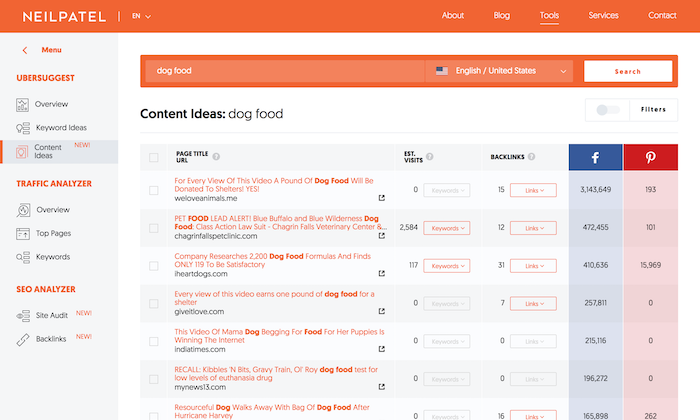
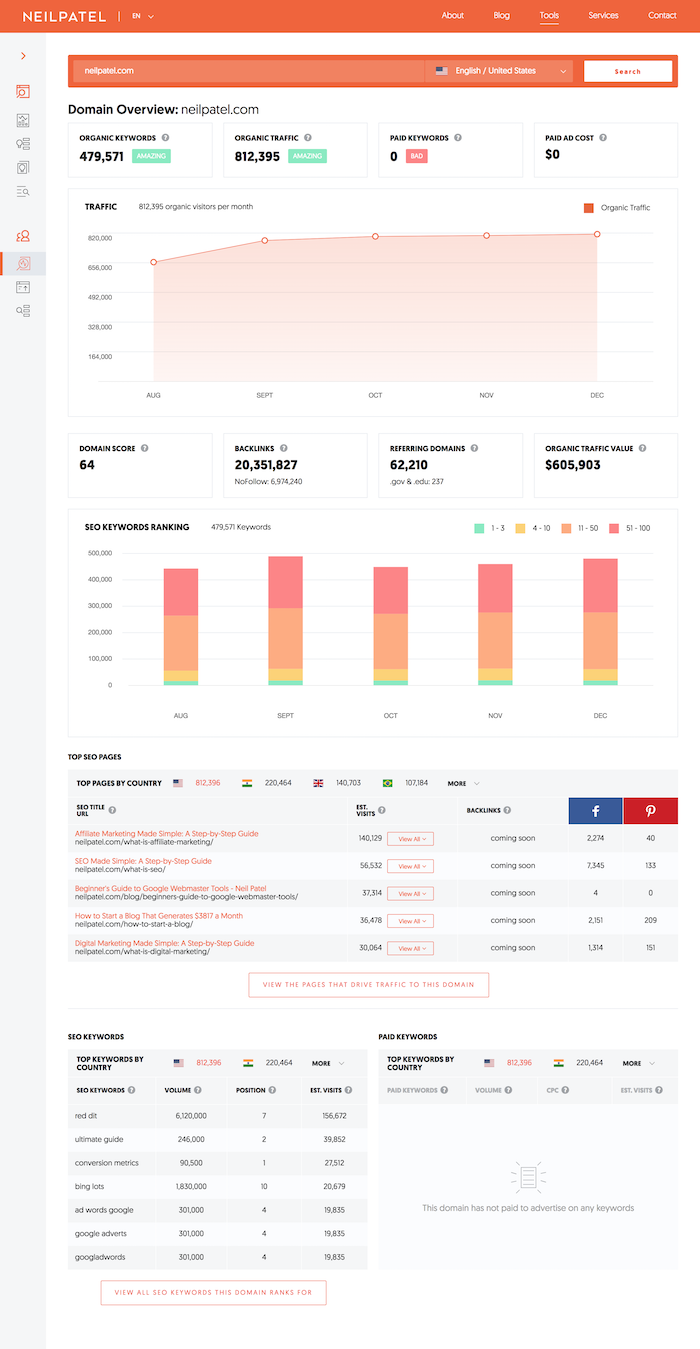
Well, I want you to go here and put in your competitor’s URL.
If they are big, you’ll see data on how much traffic they are generating… which keywords they rank for on Google… the sites that link to them and talk about them… and even how many social shares they are generating.
If they are small, you won’t see any data. You’ll have to put in a bigger competitor.
Another site that you should use is Similar Web. Put in your competitor’s URL and you’ll see tons of data on how they promote themselves.
What’s cool about the web today, versus when I first got into online marketing, is that there are tons of tools that make your life easy. So use them to your advantage. 😉
How do you promote well?
I want you to start off by asking yourself the following questions:
Which channels does your audience use the most to consume information?
What kind of message tends to be more effective when promoting your solutions?
What is the ideal period for promoting your product?
Is there any concern about seasonality?
How do your competitors plan and carry out their promotion?
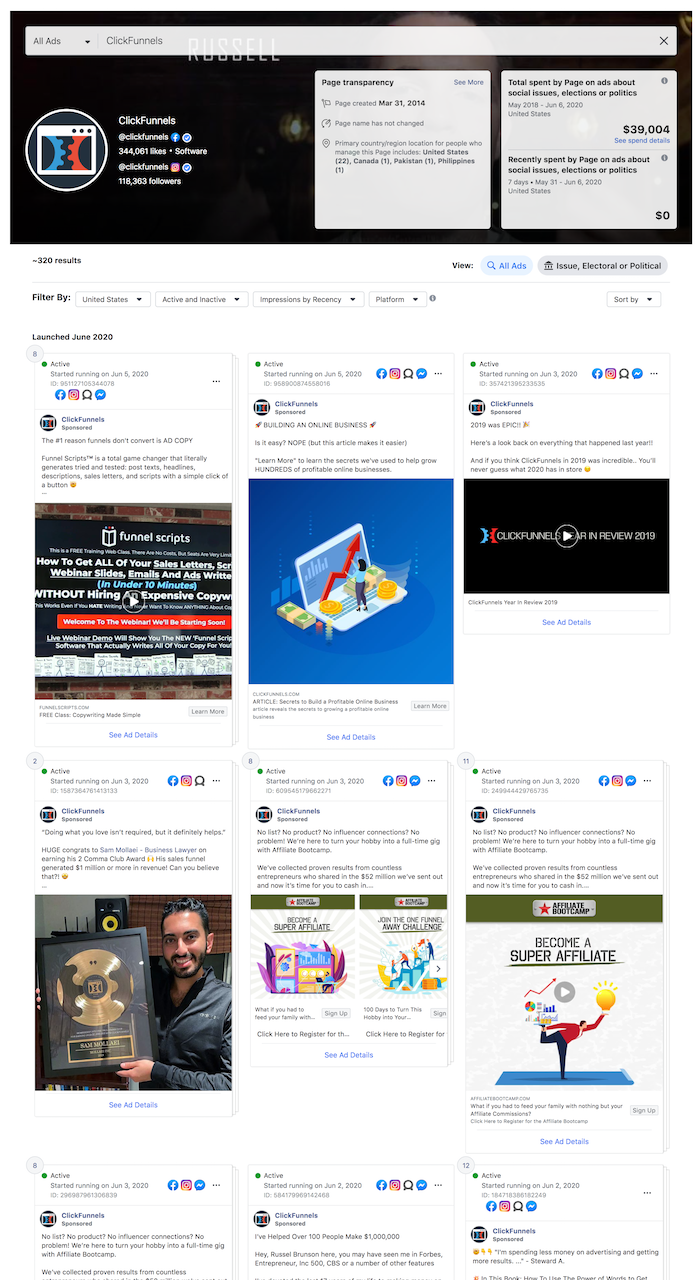
Again, you can use the tools I mentioned above to get a jump start. Another thing I would highly recommend is that you look at Facebook’s ad library.
It will show you the ads that your competition runs and, more importantly, the messaging that they use.
Now, I won’t bore you to death about promotion tips as I already have tons of blog posts on that. But I would start off with these:
Okay, marketers, here’s your content marketing challenge for the day. Your target audience includes the following:
Small business owners
Gamers
Teachers
Lifestyle bloggers
Young professionals/Entrepreneurs
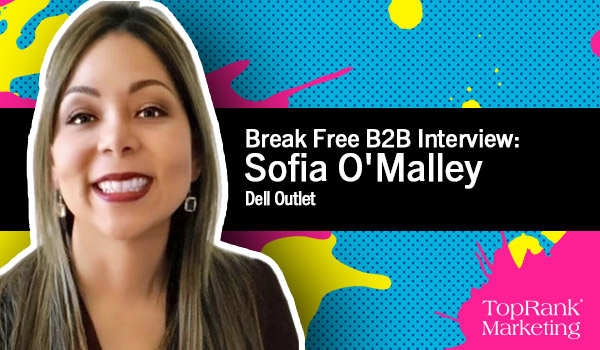
All you have to do is come up with messaging that will resonate with each of these groups, while repurposing as much content as possible for maximum efficiency. Some of these segments are B2B, some are B2C, and some ride the line between the two, so plan accordingly. Oh, and while you’re at it, we need versions of your content for multiple regions around the world. So make sure your Super Bowl metaphors are converted into World Cup references.If you can get your head around this monumental task — well, you’re probablySofia O’Malley, Global Marketing Director at Dell Outlet*. For the past three years, Sofia has worked with a team of talented marketers worldwide to turn Dell Outlet into a powerhouse brand. We caught up with Sofia at B2BMX in February, at which Dell Outlet’sinfluencer contentwas a finalist for aKiller Content Award. The conversation covered everything from the difference between B2B and B2C messaging to the importance of purpose-driven marketing.You can watch the full video and subscribe to the podcast below. Read on for highlights from the interview.
B2B Marketing Interview with Sofia O’Malley
1:06From managing a cyber cafe to leading a global marketing team2:33Adapting messaging for B2B and B2C4:00Messaging and branding for refurbished electronics7:00Using technology to test and refine messaging10:15Marketing with a purpose14:30Adapting marketing for multiple geographic regions18:00How to structure global marketing teams20:15Mapping the customer journey to offer better customer experiences24:36New opportunities in digital marketing27:00Break Free: Going from good to greatSusan:So okay, you manage a very unique product or service offering, I should say. And you have got two distinct audiences. You really are B2B as well as B2C. Can you talk about how you divide up your marketing programs?Sophia:You know, I think when you look at our customer base, there is a unifying element that is common across both subsets. And I think that's the problem, right? It is a technology need, whether you're a consumer or a big corporation or a small business, you have that underlying need that you want to have access to high quality technology, and you want to be able to go with a partner that you know will stand behind the offerings. Susan:Okay, great. Is there anything that you would counsel marketers on, who are trying to test their messaging?SophiaI will say we utilized some technology when it came to messaging, the high level message is still there and relevant, but when we do individual communication, we utilize certain technology to really offer more of a personalized message tailored to that party or curated to a particular audience at a given point in time. One of the things that we have done that has been very successful is utilizing technology to overlay emotional messaging. That was really insightful because throughout the journey, we learned that there are people out there who are reward driven. So for example, instead of messaging you “Hey, Susan, come and take a look at my product.” I will maybe say something like “Hello Susan, come and reward yourself with a gaming system.” Because we have information that we know that maybe you like gaming and you’re a reward-driven person. So that has been super exciting. I know it's not accessible to a lot of people, right? But I think that's one of the areas that for me has worked really well. And we love to be able to do it.Susan:Okay, so even something as subtle for marketers who don't have larger tools, even testing — AB testing one or two words — as you said, reward yourself is far different than, you know, come and check out the speeds and feeds. Sophia:Absolutely, it goes a long way into understanding like the audiences I think. It’s really important to have an understanding of who that consumer is. You know who your target is. Because in that way you'll narrow it down, especially if you're not using AI to do the heavy lifting. And if you don't have the volumes to be able to conduct this kind of testing at scale, and see impact, I think if you're on the smaller side, AB testing is the way to go. But you have to kind of help that process by really zeroing in on what audience is to be more effective.Susan:Right, what do you see as being the biggest difference in terms of global marketing? Is LATAM completely different than other regions, for example?Sophia:Well tricky question, because there are a lot of commonalities. But I think the key is really to have a consistent strategy. I think that needs to be scalable. And then where we start to see a little bit more difference is on the tactics. So when you think about implementation of go to market, I think you really have to be cognizant of what is unique to each market. What’s the consumer behavior? Or what’s the consumer expectation within a given market or appetite for a type of execution. So when I think, in Latin America, there are still challenges when it comes to maturity on the technology front. I think there is evolution and there is a lot more appetite for people too, more comfort level in people utilizing the internet for big ticket purchase items than there was maybe like 15-10 years ago. It continues to evolve. But I think still having that local presence and introduction in your creative and in your assets of local holidays or local events or big sporting events that might not necessarily be that big within the North American market. For instance, in the US we're all about our regular holidays like the Super Bowl, whereas Latin America is very passionate about soccer. So it's a matter of balancing the tactics and being contextually relevant for the audience. But overarching, your message and your brand promise should be consistent.Susan:Okay, so for some of our viewers who are struggling with or even thinking about how to structure a global marketing team, can you talk about how you structure your team to actually address those contextually relevant needs? Sophia:Absolutely. So one key area that is super important is to be able to have in-region geographically-placed leaders ready for each of my regions. So for example, for the North American market, I need to have someone in the US, right? For Asia Pacific and Japan (APJ), I need to have someone in the APJ region to be able to effectively not only be co-located with our sales teams, but also be very much aware of the environment and the key nuances that are needed to effectively drive marketing in a region. And I will say the other big element is the right partnerships, which I know might be challenging, especially if you're on the smaller side, but we typically try to identify partnerships with local agencies or agencies that have local presence. Because of the same objectives, we want to make sure that we are having the best or most recent information that is impacting that market. And if you work with a centralized team outside of the region, that might be a challenge. So yeah, I will say when I looked at the structure, that's key. The other big factor for us is to still be able to drive economies of scale — and it's a fine balance — it requires ongoing effort because you always want to drive efficiencies, right? So I'm always thinking about what kind of parts of the business will we scale and share, such as when it comes to content, when it comes to asset creation, when it comes to even older areas of the business which are more focused on the merchandising and execution. How will I utilize maybe an asset that was originally created for the US market, for instance, and scale it? Right. So there is always thought of that. But that doesn't — and I don't believe it will ever — replace having that regional expertise.Stay tuned to the TopRank Marketing Blog and subscribe to ourYouTube channelfor more Break Free B2B interviews. Here's a sample of the series so far:

 In this episode of the Duct Tape Marketing Podcast, I interview Matt McWilliams, “The Affiliate Guy” and the President of Matt McWilliams Consulting. He provides marketing consulting to small and medium-sized businesses ranging from retail clothing to music instruction.
 This episode of the Duct Tape Marketing Podcast is brought to you by .site.


 Microsoft’s “United for Change” initiative was announced by company CEO
  IBM CEO
  Dropbox CEO
  HP has offered up a number of initiatives that focus on turning listening efforts into action for the entirety of the organization, and has also explored how companies can best take this opportunity to build sustainable and scalable future movements. "Don't mistake good communication for action,"
  In addition to a variety of diversity programs
 In this episode of the
  This episode of the Duct Tape Marketing Podcast is brought to you by Klaviyo. If you’re looking to grow your business there is only one way: by building real, quality customer relationships. That’s where Klaviyo comes in.