Monday, 2 November 2020

How to Find and Fix 404 Errors

fix 404 errors

Do you know what sucks when browsing a website?

Getting a 404 page.

It doesn’t matter if they mistyped the URL or the page no longer exists. 404 errors can seriously harm your brand and negatively impact your SEO by making it harder for search engines to crawl your site.

That means finding and fixing 404 errors needs to be a priority.

In this post, I’ll cover everything you need to know about 404s, why they are bad for business, how to find them, and how to fix them.  

What Is a 404 Error?

A 404 error is a code that indicates a requested page cannot be found.

Whenever a page loads in a browser, it has a response status code in the HTTP header that usually isn’t visible to viewers. These responses are grouped into five categories:

  • 100-199 are informational responses
  • 200-299 are success responses
  • 300-399 denote redirects
  • 400-499 denote client errors
  • 500-599 denote server errors

So what exactly does a 404 error mean?

A 404 error (also known as an HTTP 404 or 404 code) is a very specific type of client error. It means the page the viewer is trying to reach can’t be found on the server.

Hard 404 vs. Soft 404 Errors

There are actually two types of 404 errors you need to watch out for.

While you’ll have probably come across a hard 404 request when browsing a website at some point, you’re unlikely to see a soft 404 error unless you get notified by Google Search Console.

A soft 404 happens when a non-existent page on your site displays a “not found” message to users but returns a 200 OK status to search engines.

This tells Google and other search engines there’s a page at that URL. As a result, crawlers waste time trying to crawl and rank the URL.

Here’s the thing: Google is pretty good at identifying these false pages.

When it finds a page returning a 200 OK status with all the attributes of a page that should return a 404 code, it slaps a soft 404 error on it and notifies the site owner in Google Search Console.

What You Need to Know About Your Site’s 404 Errors

Okay, so you know what these errors are. Now you need to understand what causes 404 errors.

There could be many reasons why your site is returning 404 errors.

You’ll get 404 errors if you’ve deleted or removed pages from your site recently without redirecting their URLs.

404 errors can also occur if you’ve relaunched or transferred your domain and failed to redirect all your old URLs to the new site.

Sometimes 404 errors can be the result of changing a page’s URL. Altering any part of the URL, whether that’s a category name or the page’s slug, will result in a 404 error.

Even mistyping a URL in an internal link can result in a 404 page and a broken link.

Why Are 404 Errors Bad for Websites?

A large number of 404 errors could spell big trouble for your website.

Let’s start with the user’s viewpoint. Continually running into 404 errors when browsing your site will result in a terrible user experience.

Even finding one 404 error can be enough to send a visitor packing.

Read that again: just one 404 error could cost you a customer.

It gets worse, because 404 errors can also damage your rankings.

404 errors aren’t a ranking factor per se, and Google won’t penalize you directly for having lots of them.

But they can harm your SEO.

The more broken links your site has, the harder it will be for Google and other search engines to crawl your site. Link equity won’t be passed around your site well, either.

Both of these can cause a drop in rankings.

You may also suffer from high bounce rates if users leave your site after landing on a 404 page. Unlike 404 errors, bounce rates are a ranking factor, and Google could penalize your site if its bounce rate is too high.

How to Find and Fix 404 Errors on Your Site

Now you know how bad 404 errors are, let’s look at how we can find them and fix them.

Finding 404 Errors

Site crawlers like Screaming Frog are a great way to find broken links that lead to 404 errors quickly. Screaming Frog is also free if your site has 500 URLs or less.

Start by running a site audit.

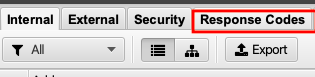
Then click on Response Codes in the top menu.
Fix 404 errors response codes

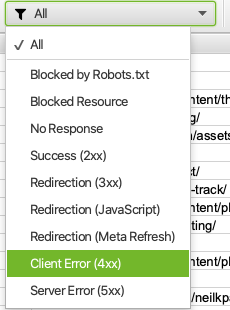
Filter for Client Error 4XX to get a list of every page returning a 404 error.
Fix 404 errors in screaming frog

Site crawlers won’t give you a complete list of 404 errors, however, as they only show broken links.

But you can find every 404 error on Google Search Console.

Google Search Console provides a list of every 404 error Googlebot finds on your site. This includes both hard 404s and soft 404s.

Login to the Search Console, click Coverage, and select the Excluded tab.

fix 404 errors analyitcs

You’ll see a list of hard 404 errors marked Not found (404) and soft 404 errors marked Soft 404.

Click on each to see a full list of pages returning 404 errors.

You can also find 404 errors in Bing Webmaster Tools by clicking Reports & Data and then Crawl Information.

Finally, you can find 404 errors using my SEO tool, Ubersuggest.

Head to the site audit tab in the left-hand sidebar.
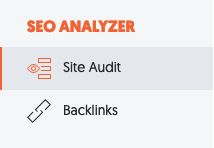
fix 404 links with a site audit

Run a Site Audit and then click Critical Errors.
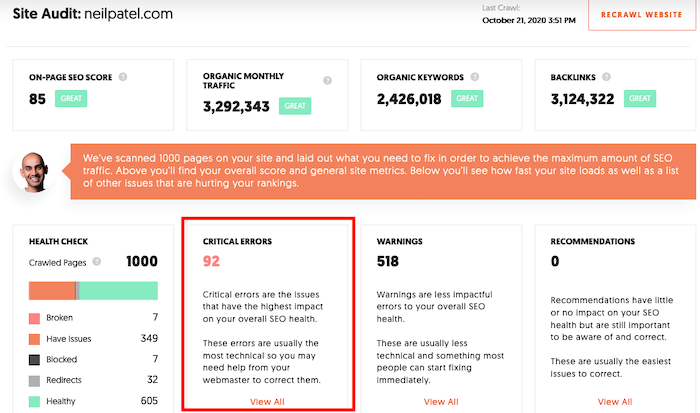
Fix 404 Errors Ubersuggest

Then click on the Warnings tab at the top of the page.

If any pages return 404 error codes, they’ll be listed here. Click on the issue to see a full list of the pages.
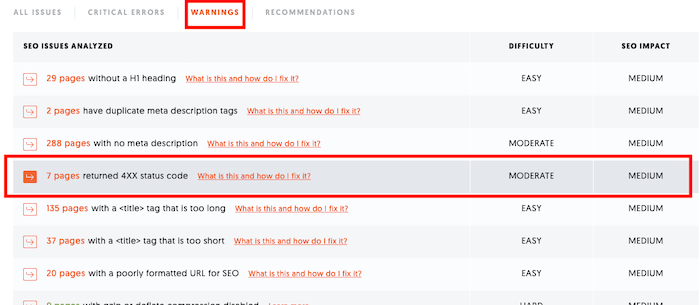
Fix 404 errors site aduit

Fix 404 Errors

Now it’s time to fix all the errors you’ve found.

Here are four ways to do it:

  1. Redirect the 404 error: Redirecting users to another relevant page is the easiest way to fix 404 errors on your site. Just make sure you redirect them to something relevant — don’t just send them back to your homepage.
  2. Restore the page: If you find there’s still a lot of demand for a page you’ve deleted and there’s no suitable page to redirect users to, consider restoring the original page.
  3. Correct the link: If broken links exist on your site, you can simply edit the link to point to the correct URL. You won’t be able to fix links on websites you don’t control, however.
  4. Create a 404 page: By creating a custom 404 error page, you can make sure no visit is wasted—more on this below.

If you have a lot of 404 errors, you’ll need to prioritize your efforts. If you have 404 errors on any major pages, fix these first. Product pages, contact pages, and service pages with 404 errors should be fixed first.

Other pages may not be so pressing. Google Search Console may uncover 404 errors on pages that a human user would never be able to navigate to. You’ll want to fix them eventually, but these errors shouldn’t impact your rankings too much.

Find and Fixing 404 Errors on Your WordPress Site

If you have a WordPress site, you can use the same steps above to find 404 errors.

Found them? Great, now let’s fix 404 errors in WordPress.

If you’re getting site-wide errors, it’s probably an issue with your permalinks. Head to “Settings →  Permalinks to update your settings.
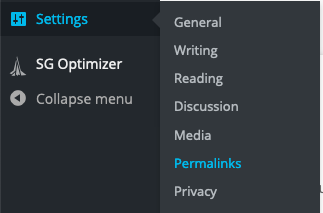
fix 404 errors wordpress

Click “Save Changes” at the bottom of the page once you’re done.

If specific pages are returning 404 errors, you’ll want to set up a 301 redirect for them. WordPress will try to do this automatically, but sometimes it doesn’t work.

The easiest way to do it yourself is by getting Yoast Premium or installing the Redirection plugin.
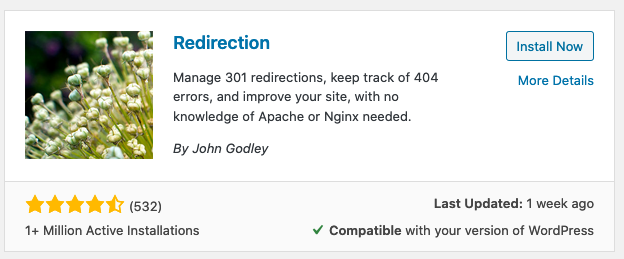
fix 404 errors with redirection

Once it’s installed and activated, head to Tools → Redirection.
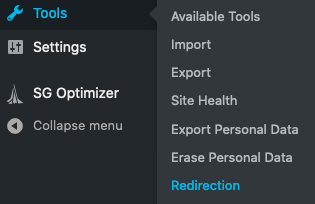
Fix 404 errors in wordpress

You’ll need to answer a few quick questions to set up the tool.

Then you’ll be able to redirect any URL on your WordPress site. Just enter the URL you want to redirect in the Source URL field and the URL you want to redirect the page to in the Target URL field.

Then click Add Redirect.
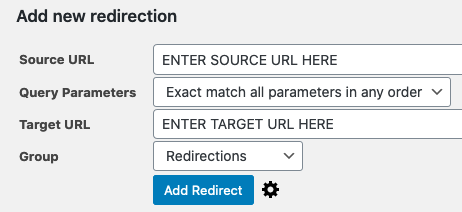
fix 404 errors WP redirection

If this seems confusing or complicated, it might be best to have a website developer or your website hosting support team help you with this to make sure all 404s are redirected properly.

How Often Should You Check for 404 Errors?

How often you should check for 404 errors depends on the size of your site.

Smaller sites with less than 50 pages can probably check for 404 errors every month or so. Larger sites may want to run checks for 404 errors every week or every other day.

Other Top Tools to Find and Fix 404 Errors

The methods I’ve mentioned above aren’t the only ways to find and fix 404 errors. Here are some of the other leading tools you can use.

Dead Link Checker

Dead Link Checker is similar to Screaming Frog. You can use it to check up to 2000 links on your site to see if any are broken.
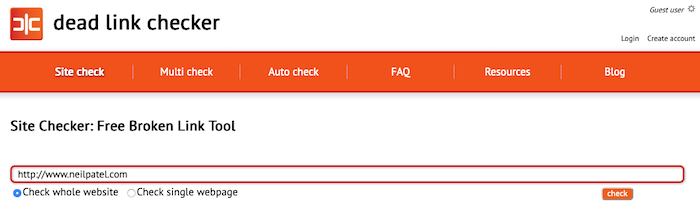
fix 404 errors dead link checker

Google Analytics

Google Analytics doesn’t track 404 errors out of the box, but you can use it to find 404 errors if you have a custom 404 page.

Start by finding the name of your 404 page.

Screen Shot 2020 10 21 at 5.27.02 PM

Mine is Page not found – Neil Patel.

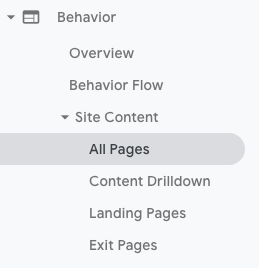
Then open Google Analytics and head to Behavior → Site Content → All Pages
GA fix 404 errors

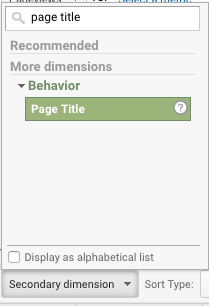
Now add Page Title as a Secondary Dimension.
fix 404 errors GA

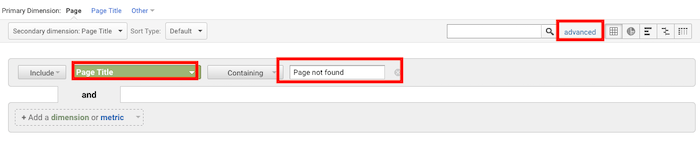
Click Advanced next to the search bar, then change the rule from Page to Page Title and type your 404 page title into the Containing box.
Fix 404 errors Seach Console

You’ll now have a report of how many people landed on your 404 page, and where they came from.

MonsterInsights

If you have a WordPress site, MonsterInsights can do all of the hard work for you. Rather than creating a manual report in Google Analytics, simply install the MonsterInsights plug-in.

It automatically tracks your 404 errors as soon as you connect your Google Analytics.

fix 404 errors monsterinsights

Crafting a Unique 404 Error Code Page

I highly recommend creating a unique 404 error code page for your site.

Most standard 404 error messages are way too technical for the average user to understand, and they don’t help them find another relevant page.

With a unique 404 page, you can provide more value to your users and even help them find the information they are looking for.

You can also boost your branding and marketing efforts.

Many companies use a custom 404 error page to reinforce their brand image and inject a bit of humor. Creating a custom URL page also makes it easier to track 404 errors in Google Analytics.

Don’t go overboard, however. A clean and straightforward 404 page is much more effective than an overly elaborate one.

Make sure you include a 404 header status on your custom page, too.

If you don’t, search engines won’t recognize the page correctly. Google will keep displaying the page in search results and send you a deluge of soft 404 error messages in the Search Console.

If you need some inspiration, here are some of my favorite unique 404 page examples:

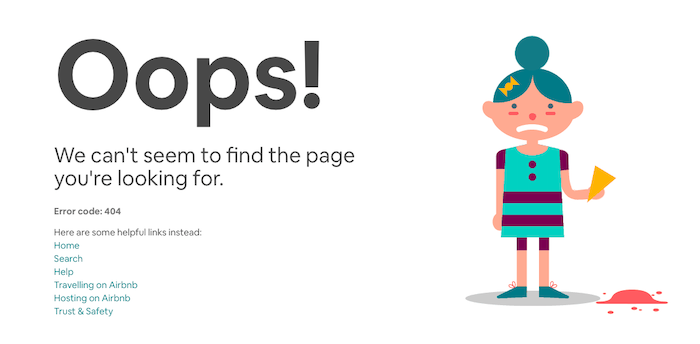
Airbnb
fix 404 errors airbnb

Airbnb makes the most of a 404 error by showing users a fun GIF and offering links to their site’s main pages.

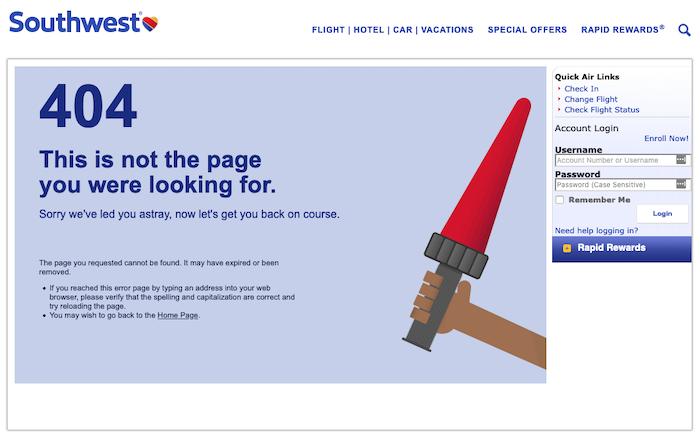
Southwest
Fix 404 errors Southwest

Southwest takes full responsibility for the mistake and explains how it may have happened if users want to try to find the page again.

Wendys

fix 404 errors Wendys

Wendys goes above and beyond with their 404 page. There are no links to other parts of their site here; just a free game users can play to pass the time.

Conclusion

If you have a website, 404 errors are inevitable. But there’s no reason to let them damage your site’s user experience and hurt your rankings.

Use the strategies and tools above to regularly run checks to find 404 errors and fix them quickly. The faster you fix them, the less damage they can do.

How many 404 errors have you been able to fix on your site? Let me know in the comments.

The post How to Find and Fix 404 Errors appeared first on Neil Patel.


from Blog – Neil Patel https://ift.tt/323VkAc
via IFTTT

How to Improve Your SEO Using FAQpage Schema

digital marketing improve SEO using FAQschema

I’ve been testing a new SEO hack and it works no matter how old or how new your site is. What is it? It’s the FAQpage schema.

Even if you have almost no links, this strategy can help.

Best of all, unlike most SEO changes, it doesn’t take months or years to see results from this — you can literally see results in less than 30 minutes.

Even crazier is this: I had my team crawl 10,000 sites to see how many people are leveraging this SEO technique and only 17 sites were using FAQpage schema.

In other words, your competition might not know about this SEO strategy yet!

Google’s Ever-Changing Search Results

Before we dive into talking about FAQpage schema, I want to talk about Google’s ever-changing search results.

Not only does Google changing its algorithm on a regular basis, but they also test out new design elements.

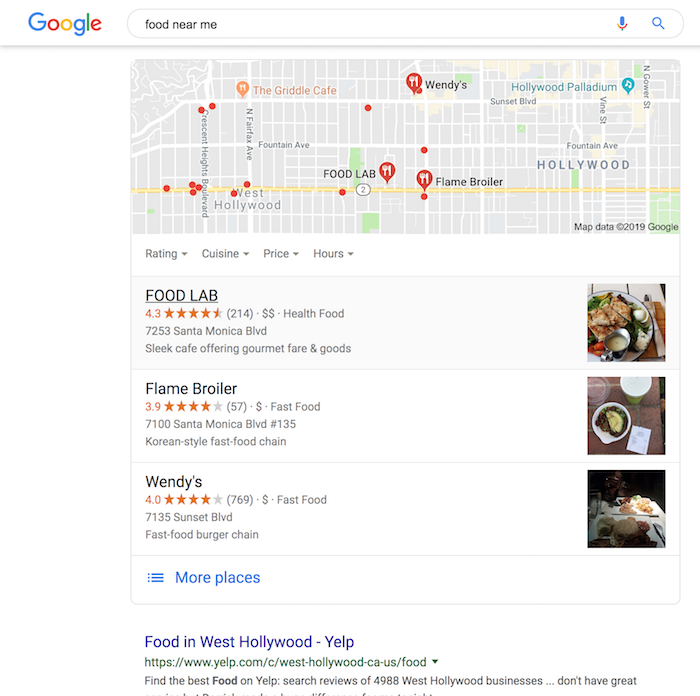
For example, if you search for “food near me”, you’ll see a list of local restaurants and also see their ratings.

food near me faqpage schema

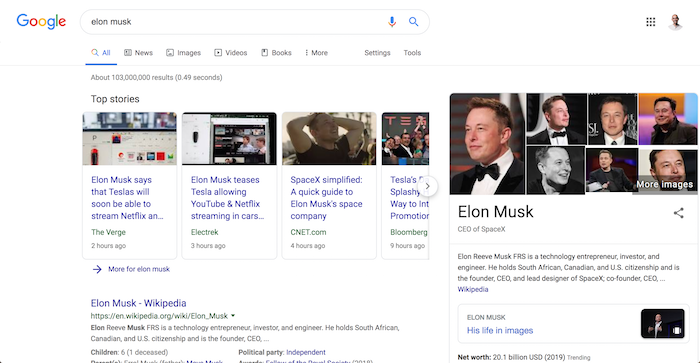
And if you look up a person, Google may show you a picture of that person and a quick overview.

elon musk faqpage schema guide

Over the years, Google has adapted its search results to give you the best experience.

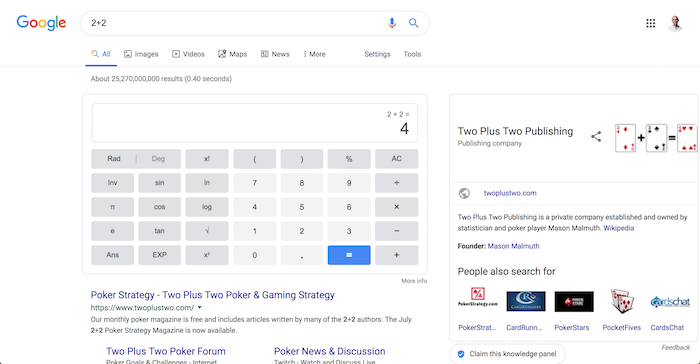
For example, if you search “2+2” Google will show you the answer of “4,” so you don’t have to click through and head over to a webpage.

2 plus 2 faqpage schema

But you already know this.

Now, what’s new that no one is really using are FAQpage schema markups.

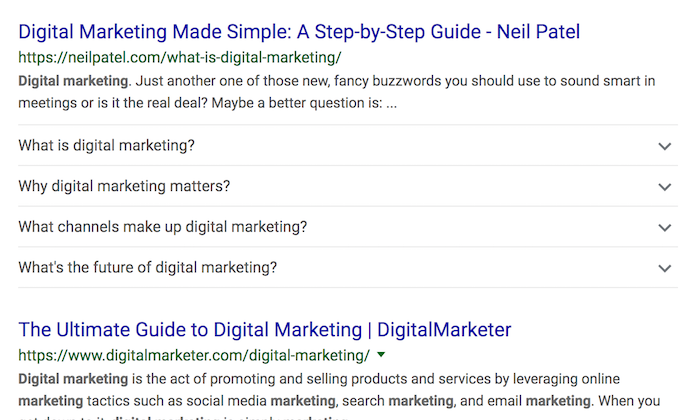
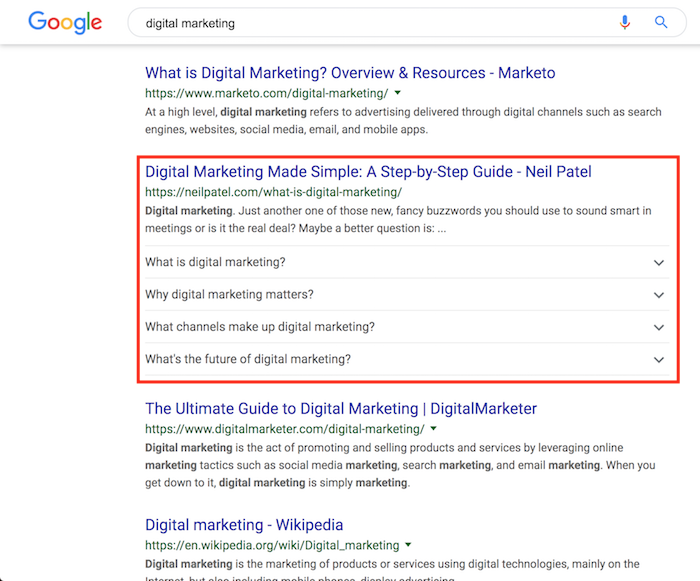
Here’s what I mean: if you search “digital marketing” you’ll see that I rank on Google. But my listing doesn’t look like most people’s:

digital marketing faqpage schema example

As you can above, Google has pulled FAQ-rich results from my site.

And best of all, I was able to pull it off in less than 30 minutes. That’s how quickly Google picked up the FAQpage schema addition and adjusted their SERP listing.

Literally all within 30 minutes.

You can do the same thing through Answer Cards anytime you have pages related to questions and answers.

qa example faqpage schema

So how can you do this?

Picking The Right Schema Markup: QA vs FAQpage Schema 

Before we get this going with your site, you have to pick the right schema markup. There are two types: QA and FAQpage schema.

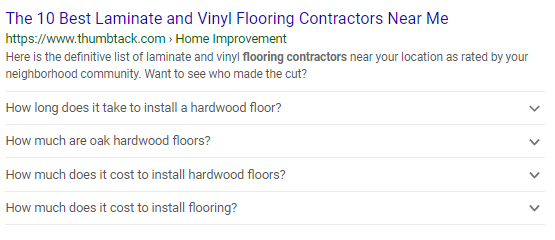
FAQpage schema is used when you offer a Frequently Asked Question page or have a product page that contains frequently asked questions about the product itself.

This will let you be eligible for a collapsible menu under your SERP with the question, that when clicked on, reveals the answer.

faqpage schema guide rich result

It can also let you be eligible for FAQ Action that is shown on Google Assistant. This can potentially help get you noticed by people using voice search to find out an answer!

faq action

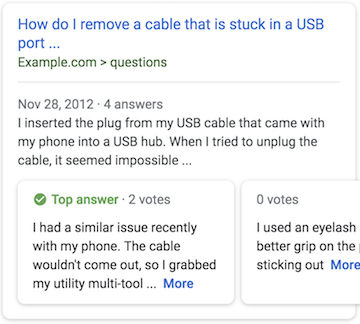
Q&A schema is used when people are contributing different types of answers and can vote for which answer they think is the best. This will provide the rich result cards under your SERP and shows all the answers, with the top answer highlighted.

qa rich result

After making sure you understand what these are used for, Google also has additional guidelines on when you can and can’t use these schema’s for:

Google’s FAQpage Schema Guidelines

Google has a list of FAQpage schema guidelines.

Only use FAQPage if your page has a list of questions with answers. If your page has a single question and users can submit alternative answers, use QAPage instead. Here are some examples:

Valid use cases:

  • An FAQ page was written by the site itself with no way for users to submit alternative answers
  • A product support page that lists FAQs with no way for users to submit alternative answers 

Invalid use cases:

  • A forum page where users can submit answers to a single question
  • A product support page where users can submit answers to a single question
  • A product page where users can submit multiple questions and answers on a single page
  • Don’t use FAQPagefor advertising purposes
  • Make sure each Question includes the entire text of the question and make sure each answer includes the entire text of the answer. The entire question text and answer text may be displayed.
  • Question and answer content may not be displayed as a rich result if it contains any of the following types of content: obscene, profane, sexually explicit, graphically violent, promotion of dangerous or illegal activities, or hateful or harassing language.
  • All FAQcontent must be visible to the user on the source page.

And here are the guidelines for Q&A schema:

Only use the QAPage markup if your page has information in a question and answer format, which is one question followed by its answers.

Users must be able to submit answers to the question. Don’t use QAPage markup for content that has only one answer for a given question with no way for users to add alternative answers; instead, use FAQPage. Here are some examples:

Valid use cases:

  • A forum page where users can submit answers to a single question
  • A product support page where users can submit answers to a single question 

Invalid use cases:

  • An FAQ page was written by the site itself with no way for users to submit alternative answers
  • A product page where users can submit multiple questions and answers on a single page
  • A how-to guide that answers a question
  • A blog post that answers a question
  • An essay that answers a question
  • Don’t apply QAPagemarkup to all pages on a site or forum if not all the content is eligible. For example, a forum may have lots of questions posted, which are individually eligible for the markup. However, if the forum also has pages that are not questions, those pages are not eligible.
  • Don’t use QAPagemarkup for FAQ pages or pages where there are multiple questions per page. QAPagemarkup is for pages where the focus of the page is a single question and its answers.
  • Don’t use QAPagemarkup for advertising purposes.
  • Make sure each Questionincludes the entire text of the question and make sure each Answer includes the entire text of the answer.
  • Answermarkup is for answers to the question, not for comments on the question or comments on other answers. Don’t mark up non-answer comments as an answer.
  • Question and answer content may not be displayed as a rich result if it contains any of the following types of content: obscene, profane, sexually explicit, graphically violent, promotion of dangerous or illegal activities, or hateful or harassing language.

If your content meets these guidelines, the next step is to figure out how to implement the schema onto your website and which type to use.

How Do I Implement QA and FAQpage Schema?

There are two ways to implement schema either through JSON-LD or Microdata.

I recommend choosing one style and sticking to it throughout your webpage, and I also recommend not using both types on the same page.

JSON-LD is what Google recommends wherever possible and Google has been in the process of adding support for markup-powered features. JSON-LD can be implemented into the header of your content and can take very little time to implement.

The other option is Microdata, which involves coding elements into your website. This can be a challenging process for some odd reason, I prefer it. Below are examples of how each work.

FAQpage Schema JSON-LD:

<html>

<head>

<title>Digital Marketing Frequently Asked Questions (FAQ) – Neil Patel</title>

</head>

<body>

<script type=”application/ld+json”>

{

“@context”: “https://ift.tt/2NfgAO9;,

“@type”: “FAQPage”,

“mainEntity”: [

{

“@type”: “Question”,

“name”: “What is digital marketing?”,

“acceptedAnswer”: {

“@type”: “Answer”,

“text”:”Digital marketing is any form of marketing products or services that involves electronic device”}

}]

}

</script>

</body>

</html>

FAQpage Schema Microdata:

<html itemscope itemtype=”https://ift.tt/2YqfNdK;>

<head>

<title>Digital Marketing Frequently Asked Questions (FAQ) – Neil Patel</title>

</head>

<body>

<div itemscope itemprop=”mainEntity” itemtype=”https://ift.tt/2K38SmB;>

<h3 itemprop=”name”>What is digital marketing?</h3>

<div itemscope itemprop=”acceptedAnswer” itemtype=”https://ift.tt/2YrIirz;>

<div itemprop=”text”>

<p>Digital marketing is any form of marketing products or services that involves electronic device.</p>

</div>

</div>

</div>

</body>

</html>

Q&A Schema JSON-LD:

{

“@context”: “https://ift.tt/2NfgAO9;,

“@type”: “QAPage”,

“mainEntity”: {

“@type”: “Question”,

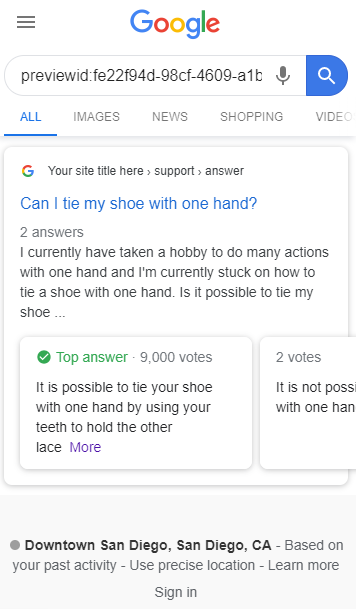
“name”: “Can I tie my shoe with one hand?”,

“text”: “I currently have taken a hobby to do many actions with one hand and I’m currently stuck on how to tie a shoe with one hand. Is it possible to tie my shoe with one hand?”,

“answerCount”: 2,

“upvoteCount”: 20,

“dateCreated”: “2019-07-23T21:11Z”,

“author”: {

“@type”: “Person”,

“name”: “Expert at Shoes”

},

“acceptedAnswer”: {

“@type”: “Answer”,

“text”: “It is possible to tie your shoe with one hand by using your teeth to hold the other lace”,

“dateCreated”: “2019-11-02T21:11Z”,

“upvoteCount”: 9000,

“url”: “https://example.com/question1#acceptedAnswer”,

“author”: {

“@type”: “Person”,

“name”: “AnotherShoeMan”

}

},

“suggestedAnswer”: [

{

“@type”: “Answer”,

“text”: “It is not possible to tie your shoe with one hand”,

“dateCreated”: “2019-11-02T21:11Z”,

“upvoteCount”: 2,

“url”: “https://example.com/question1#suggestedAnswer1”,

“author”: {

“@type”: “Person”,

“name”: “Best Shoe Man”

}

}

]

}

}

Q&A Schema Microdata:

<div itemprop=”mainEntity” itemscope itemtype=”https://ift.tt/2K38SmB;>

<h2 itemprop=”name”>Can I tie my shoe with one hand?</h2>

<div itemprop=”upvoteCount”>20</div>

<div itemprop=”text”>I currently have taken a hobby to do many actions with one hand and I’m currently stuck on how to tie a shoe with one hand. Is it possible to tie my shoe with one hand?</div>

<div>asked <time itemprop=”dateCreated” datetime=”2019-07-23T21:11Z”>July 23’19 at 21:11</time></div>

<div itemprop=”author” itemscope itemtype=”https://ift.tt/2K75yY1

itemprop=”name”>Expert at Shoes</span></div>

<div>

<div><span itemprop=”answerCount”>2</span> answers</div>

<div><span itemprop=”upvoteCount”>20</span> votes</div>

<div itemprop=”acceptedAnswer” itemscope itemtype=”https://ift.tt/2YrIirz;>

<div itemprop=”upvoteCount”>9000</div>

<div itemprop=”text”>

It is possible to tie your shoe with one hand by using your teeth to hold the other lace.

</div>

<a itemprop=”url” href=”https://example.com/question1#acceptedAnswer”>Answer Link</a>

<div>answered <time itemprop=”dateCreated” datetime=”2019-11-02T22:01Z”>Nov 2 ’19 at 22:01</time></div>

<div itemprop=”author” itemscope itemtype=”https://ift.tt/2K75yY1 itemprop=”name”>AnotherShoeMan</span></div>

</div>

<div itemprop=”suggestedAnswer” itemscope itemtype=”https://ift.tt/2YrIirz;>

<div itemprop=”upvoteCount”>2</div>

<div itemprop=”text”>

It is not possible to tie your shoe with one hand

</div>

<a itemprop=”url” href=”https://example.com/question1#suggestedAnswer1″>Answer Link</a>

<div>answered <time itemprop=”dateCreated”datetime=”2019-11-02T21:11Z”>Nov 2 ’19 at 21:11</time></div>

<div itemprop=”author” itemscope itemtype=”https://ift.tt/2K75yY1

itemprop=”name”>Best Shoe Man</span></div>

</div>

</div>

</div>

When you are implementing it on your website, feel free and just use the templates above and modify them with your content.

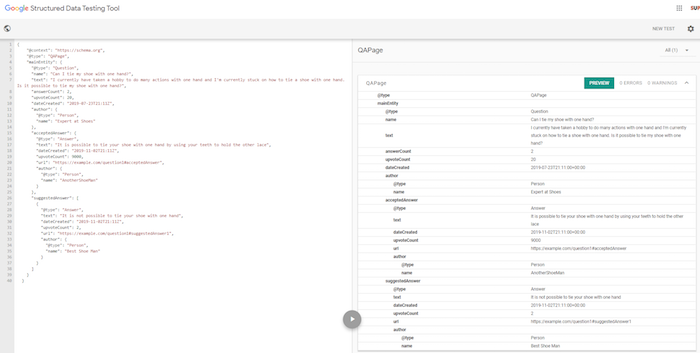
If you are unsure if your code is correctly implemented or not, use Google’s Structured Data Testing Tool and you can add your code snippet or the page that you implemented the schema on and it will tell you if you did it right or wrong.

Plus it will give you feedback on if there are any errors or issues with your code.

google structure data testing for FAQpage schema

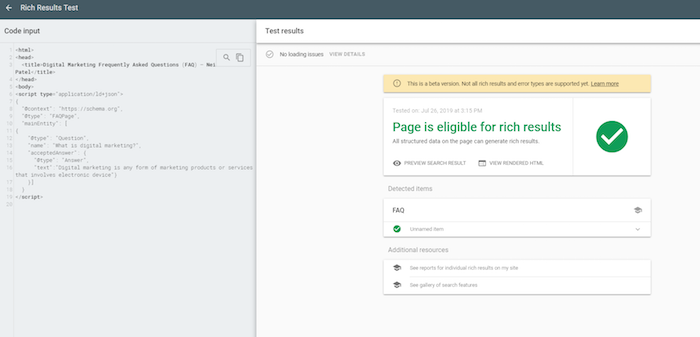
You can also try Google’s Rich Result Tester. This will give you a brief look at how your structured data will look like in the results!

google rich snippet faqpage schema guide

Getting Results With FAQpage Schema in Less Than 30 Minutes 

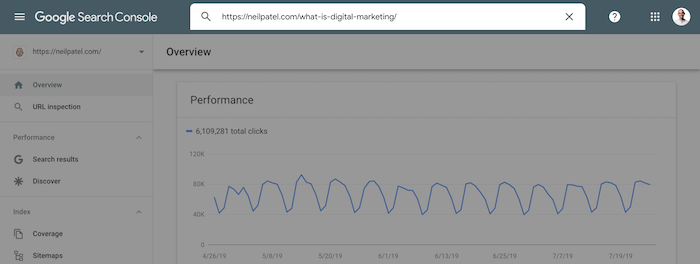
Once you make the changes to any page that you think is a good fit, you’ll want to log into Google Search Console and enter the URL of the page you modified in the top search bar.

add url faqpage schema update guide

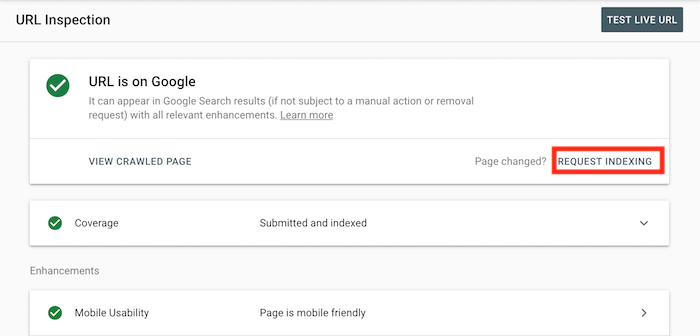
You’ll then want to have Google crawl that page so they can index the results. All you have to do is click “request indexing”.

request indexing faqpage schema

And typically within 10 minutes, you’ll notice it kick in and when you perform a Google search you’ll see your updated listing.

Now the key to making this work is to do this with pages and terms that already rank on page 1. That’s where I’ve seen the biggest improvement.

Will FAQpage Schema Help Me Rank for People Also Ask and Featured Snippets?

Will this help with People Also Ask and Featured Snippets? So far, there has been no correlation between schema markup and People Also Ask or Featured Snippets and you do not need them to be featured in them.

Optimizing your content for this will not hurt you though and can potentially improve your chances to be on here.

Google has been testing out how they can show these types of Q&A, FAQ, and How-To results and looking at structured data to help understand them.

It’s better to be early to the game and help Google understand your pages, as well as possibly participating in any of Google’s experiments.

snippet example faqpage schema guide

Will FAQpage Schema Help Me Rank for Voice Search? 

With more and more people using mobile devices to find answers to questions, this is a very relevant question!

Especially considering that over half of the searches on Google will be from voice search in the near future.

Questions from voice search get most of their answers from featured snippets.

And adding structured data on your website increases the chances of getting you into featured snippets, which increases the chance of you getting featured on voice search.

I also suggest checking out these tips on voice search SEO for more strategies for ranking for voice search.

Conclusion

This simple hack can potentially increase the visibility of your brand and help improve the authority of your website. It’s a simple solution that can take a single day to implement across your main question, product, or FAQ page.

I’ve been using it heavily for the last week or so and as long as I pick keywords that I already rank on page 1 for, I am seeing great results.

And as I mentioned above, when my team analyzed 10,000 sites we only found 17 to be using QA and FAQpage schema. In other words, less than 1% of the sites are using this, which means you if you take advantage now, you’ll have the leg up on your competition.

So what do you think about FAQpage schema tactic? Are you going to use it?

The post How to Improve Your SEO Using FAQpage Schema appeared first on Neil Patel.


from Blog – Neil Patel https://ift.tt/2ypQTjI
via IFTTT

Inside Influence: Jen Holtvluwer from Spiron on Award Winning B2B Influencer Marketing

Jen Holtvluwer

Jen Holtvluwer When we conducted our research for the 2020 State of B2B Influencer Marketing Report, we found what the most successful B2B marketers have in common. They:
  • Have a Documented Influencer Marketing Strategy
  • Engage in Always-On Influencer Engagement
  • Have a Centralized Influencer Program
  • Use Software to Identify Influencers
  • Rely on Experts and Analysts
  • Use Blogs as Content Platforms
  • Create Interactive Content with Influencers
Learning from those who are already successful in a fast growing discipline is what the Inside Influence Show is all about. Of course, measuring success comes in many forms, from achieving and exceeding the specific goals of a marketing program to industry recognition. When someone is able to achieve both consistently, that's a special source of insight. Today we're bringing that special combination to you with Jen Holtvluwer, Chief Marketing Officer at Spirion. We've had the good fortune to work with Jen on multiple award-winning influencer marketing programs for B2B brands that not only earned industry accolades, but also high 7 digit sales pipeline goals. Whether it was the deep customer insight that informed a campaign for Cherwell Software that could be attributed to 22% of sales pipeline for the entire year or the innovative industry awards campaign for Alcatel Lucent that generated 7 figure sales pipeline, Jen has the track record we all aspire to as marketing leaders. In this Inside Influence interview, Jen and I talk about a spectrum of B2B influencer marketing topics including:
  • What it takes to be at the top of your game when it comes to B2B marketing
  • The secret to Jen's award-winning influencer marketing success
  • Lessons learned from successful influencer marketing campaigns
  • Whether it is reasonable to expect both brand awareness and lead generation goals from influencer marketing - Qualities to look for in an influencer
  • Top challenges when it comes to working with influencers
  • Opportunities for B2B companies to impact brand and sales by supporting executive influence
  • What to say to other B2B marketing executives who do not believe there are influencers of their customers that they can work with
  • How influencer marketing and B2B marketing will be different in 2021 and beyond
  • Career advice for other aspiring CMOs
Here are a few highlights with the full video interview embedded below. A lot of influencer marketing is about demand gen, awareness, and top of funnel. As someone with experienced being responsible for sales in your career, do you feel like influencers can play a role in sales initiatives? A hundred percent. I was just on our quarterly board meeting yesterday and it came up. How much we're getting mentions by customers, which are certainly influencers. Also, how much we're getting mentioned by journalists, editors, and media which are all influencers as well. And one of our board members said, "How are you turning that into opportunities or SQLs?" And I said they don't always bring opportunities directly, but we take those mentions and we apply them in our demand generation and our prospecting efforts and they certainly influence and can accelerate the opportunity stage.

When people see your brand is being mentioned by an influencer, it gives them that double-take that validates you more in the market. @JenHoltvluwer

So that's, that's where our sales uses influencer mentions because when people see your brand is being mentioned by an influencer, it gives them that double-take that validates you more in the market. So it certainly influences and can accelerate lead to opportunity efforts for sure. Of course winning awards is not the only objective for an influencer program, but the reason you’ve won awards is in part because of great performance - like one campaign being attributed to over 20% of sales pipeline for the year and another instigating multiple large deals. What lessons have you learned from these kinds of influencer campaigns? I think one thing that I have done differently is make sure that the expectations of what you're wanting to gain from the influencers that you align with is very clearly outlined. Right? We've had some influencers that said, yes, you know, we'll sign up, we'll participate. And then when it came time to roll out the actual program, we didn't see as much participation as we would've liked. So, I think the communication upfront with the influencers about what you're expecting to gain from them is very important. They appreciate that too, because then they know fully what they're signing up for and what they can and can't do. I think that's a big lesson learned: make sure expectations are clearly outlined with influencers so that there aren't any surprises when you roll out the program and achieve what you need to accomplish. 84% of marketers say brand awareness is a top measurable benefit from engaging influencers followed by 69% that say lead generation is a top benefit. Is it reasonable to expect both? Absolutely. I started my career out very heavy on the demand generation side. It will always be my go-to passion. But I really have the firm belief that if you do branding, right, the demand will follow. And that makes taking your stories to market that much more memorable. So with influencer marketing, it's certainly helping with share of voice because you're getting more exposure through the influencers that you're partnering with. When it's done right, your sales team can actually take those actions that you're creating, those influencer soundbites, those nuggets, and build credibility and value into the business case sooner.

If you do branding, right, the demand will follow and that makes taking your stories to market much more memorable. @JenHoltvluwer

I think we're all finding now that it's a big struggle trying to market during a pandemic and a recession. I bring that up because you've really got to create value sooner in the funnel so that people understand. If an influencer is endorsing this or sharing this and talking about this, I better take a look at this sooner, right? Because it's probably something that I need to be taking action on too. So there is a nice balance where I do think that the branding that you get out of influencer marketing can most definitely be used to accelerate the demand side, which leads to those opportunities that we're all wanting to get at the end of the day. What would you say to an executive that says, "There are no influencers in my industry"? I think that there are influencers in every industry. There's buyer influencers, there's market influencers. It's up to us as marketers and sellers to find out who those influencers are. For us in data, privacy, data security it is definitely the chief information security officers. What we've done is create our own podcast where we invite customers to come on. And it's not where we're talking about our brand. We're talking about impactful things that are happening in the industry. For example, the Blackbaud data breach is very top of mind for the CSO community right now. Inviting influencers in to participate with you is very important to do, especially in times like today.

There are influencers in every industry...most executives understand that you've got to align yourselves with people that are going to be that champion for your cause. @JenHoltvluwer

I think most executives that I work with, maybe it's because I'm so convincing and have a pretty good portfolio of examples to share, understand that you've got to align yourselves with people that are going to be that champion for your cause. If you can ever tie it back to data, which is one thing I think my team has done very well, you know this works. This has moved your share of voice X percentage point. This has brought in X number of pipeline resulting in X revenue. There are studies out there that show that impact too. So I think it doesn't take much to convince an executive when you have published data to back up your idea and your approach to influencer marketing. You’ve had an impressive career at companies like BMC Software, Cherwell, Alcatel Lucent Enterprise and now CMO at Spirion. What career advice do you have for other aspiring CMOs? When I look back at my career, I've had some highs and I've obviously had lows like we all do, but what's been the thing I've always had is I've always sought a champion within the organization that's at that director level or above that I've aligned myself with. And that is not something that you can just do. You've got to earn that trust. So you've got to put in the time to show that you're someone that they do want to put some time into, to mentor and coach. I think it's really important that people seek out who a person who is going to be a champion for them if they want to advance and grow their career.

It's really important that people seek out who a person who is going to be a champion for them if they want to advance and grow their career. @JenHoltvluwer

I've had David Weiss, Matt Dircks, Carolyn Tague, Sandra Booth. I've had so many that I still keep in touch with today that have been that champion for my cause. So I think it's really important to not to do it alone and make sure you put in the time and that your time is noticed. And make sure that you're marketing yourself to the right champion in the business. Then they'll stay with you and refer you as other opportunities come up. That's, that's really been my success. And that's what I like to pass along to people when I get asked that question. To see the full Inside Influence interview with Jen Holtvluwer, watch the video below: If you would like to connect with Jen further about B2B influencer marketing, you can find her on Twitter and LinkedIn. Next up on Inside Influence, we'll be talking to Amisha Gandhi, VP Influencer Marketing and Communications at SAP about creating mutual value with influencers. Be sure to check out our previous Inside Influence interviews:

The post Inside Influence: Jen Holtvluwer from Spiron on Award Winning B2B Influencer Marketing appeared first on B2B Marketing Blog - TopRank®.


from B2B Marketing Blog – TopRank® https://ift.tt/2HWgNUK
via IFTTT

3 Ways Retailers Can Leverage Loyalty Programs for Growth

This is a syndicated post, view the original post here  

Over the years, the concept of brand loyalty hasn’t changed, but a brand’s approach to customer loyalty and retention has. Customer loyalty is shifting to brands that deliver exceptional customer experiences using more relevant personalization. Whether a brand interaction occurs online, in-app, in-store, over the phone, or across the social landscape, brands who recognize customers across all touchpoints are the ones driving successful loyalty.

As businesses no longer control the customer journey, they must react and adapt in real-time to the behaviors and cues that their customers are sending out. According to a recent survey by Accenture, 93% of consumers believe it’s important that every interaction they have with a brand is excellent. Smart brands exceed customer expectations at every interaction and remember customers don’t think in terms of channels as marketers do. They engage with brands in the way that’s most convenient for them at that given time and place.

Some retailers now have an additional challenge, and that’s staying relevant for customers in this new economic landscape.

According to Gartner, 80% of your company’s future revenue will come from just 20% of your existing customers. With this in mind, let’s take a look at three ways retailers can leverage loyalty engagement programs in this new normal.

  1. Maintain communication

The current climate sees brands engaging with consumers at a time when encouraging spend behavior can be seen as insensitive. Smart brands will create open lines of communication, engagement, and feedback to act as key competitive differentiators for success. Brand marketing has a tremendous role to play in guiding consumers towards behaviors that are most appropriate in uncertain times.

  1. Accelerate the adoption of new technology

By driving the adoption of new technology, brands can meet customers where they are faster and react in real-time. Rolling out new behaviors and offerings like online shopping for household items and groceries, curbside pickup, contactless payments, and extended return options will help naturally lead the transformation and build trust amongst your consumers.

  1. Deliver frictionless and relevant digital customer experiences

Now, more than ever, brands will be striving to make their customer experiences frictionlessRetailers can no longer depend solely on driving in-store traffic. Recognizing every customer across all brand interactions will ensure brands are engaging with them in a relevant, consistent, and personalized ways. By driving digital engagement, brands can make their digital experiences more than just transactional touchpoints.

 In this new landscape, retailers can disrupt or be disrupted.

Loyalty programs connect with customers to drive growth

Loyalty programs will act as a key differentiator for brands and can be used to better connect with customers and foster an engaged community. They can, for example,

  • Accelerate the training of new customer behaviors with the exchange of loyalty currency (i.e. complete your first online order for bonus points).

  • Provide meaningful brand interactions beyond transactions (i.e. complete your extended preference profile for points).

  • Attract new customers via referrals from your best customers (i.e. refer-a-friend to join the loyalty program for points/reward offering).

This next generation of loyalty will only further unlock more opportunities to collect rich first-party data to provide customers relevant, personalized experiences in real-time.


To learn more about how loyalty and connecting at all touchpoints with customers, check out:


from Oracle Blogs | Oracle Marketing Cloud https://ift.tt/3kPFpwE
via IFTTT

3 Ways Retailers Can Leverage Loyalty Programs for Growth

This is a syndicated post, view the original post here  

Over the years, the concept of brand loyalty hasn’t changed, but a brand’s approach to customer loyalty and retention has. Customer loyalty is shifting to brands that deliver exceptional customer experiences using more relevant personalization. Whether a brand interaction occurs online, in-app, in-store, over the phone, or across the social landscape, brands who recognize customers across all touchpoints are the ones driving successful loyalty.

As businesses no longer control the customer journey, they must react and adapt in real-time to the behaviors and cues that their customers are sending out. According to a recent survey by Accenture, 93% of consumers believe it’s important that every interaction they have with a brand is excellent. Smart brands exceed customer expectations at every interaction and remember customers don’t think in terms of channels as marketers do. They engage with brands in the way that’s most convenient for them at that given time and place.

Some retailers now have an additional challenge, and that’s staying relevant for customers in this new economic landscape.

According to Gartner, 80% of your company’s future revenue will come from just 20% of your existing customers. With this in mind, let’s take a look at three ways retailers can leverage loyalty engagement programs in this new normal.

  1. Maintain communication

The current climate sees brands engaging with consumers at a time when encouraging spend behavior can be seen as insensitive. Smart brands will create open lines of communication, engagement, and feedback to act as key competitive differentiators for success. Brand marketing has a tremendous role to play in guiding consumers towards behaviors that are most appropriate in uncertain times.

  1. Accelerate the adoption of new technology

By driving the adoption of new technology, brands can meet customers where they are faster and react in real-time. Rolling out new behaviors and offerings like online shopping for household items and groceries, curbside pickup, contactless payments, and extended return options will help naturally lead the transformation and build trust amongst your consumers.

  1. Deliver frictionless and relevant digital customer experiences

Now, more than ever, brands will be striving to make their customer experiences frictionlessRetailers can no longer depend solely on driving in-store traffic. Recognizing every customer across all brand interactions will ensure brands are engaging with them in a relevant, consistent, and personalized ways. By driving digital engagement, brands can make their digital experiences more than just transactional touchpoints.

 In this new landscape, retailers can disrupt or be disrupted.

Loyalty programs connect with customers to drive growth

Loyalty programs will act as a key differentiator for brands and can be used to better connect with customers and foster an engaged community. They can, for example,

  • Accelerate the training of new customer behaviors with the exchange of loyalty currency (i.e. complete your first online order for bonus points).

  • Provide meaningful brand interactions beyond transactions (i.e. complete your extended preference profile for points).

  • Attract new customers via referrals from your best customers (i.e. refer-a-friend to join the loyalty program for points/reward offering).

This next generation of loyalty will only further unlock more opportunities to collect rich first-party data to provide customers relevant, personalized experiences in real-time.


To learn more about how loyalty and connecting at all touchpoints with customers, check out:


from Oracle Blogs | Oracle Marketing Cloud https://ift.tt/3kPFpwE
via IFTTT