Monday, 7 February 2022

Why Diversity, Equity & Inclusion Matter More than Ever for B2B Marketing

Beautiful space view of the Earth with cloud formation image.

Beautiful space view of the Earth with cloud formation image. The team at TopRank Marketing asked me to write a blog post on Diversity, Equity and Inclusion in B2B Marketing.  Every introduction I wrote rang hollow. I talked about how representation matters, including a post with an adorable kid overjoyed at seeing himself onscreen in Encanto. I tried starting with a statistic about brand values.  I tried starting with a question: What is a cis straight white guy doing writing a post about diversity, equity and inclusion? The idea was to follow up that rhetorical question with a post that would justify its own existence. But it turns out that question isn’t rhetorical at all: It demands an answer. And I don’t have a good one. So instead of me lecturing about how representation matters, I’m going to put it into practice. I’m dedicating the rest of this post to amplifying other voices. 

Diversity Is a Business Imperative: Christy Haubegger, EVP, Chief Enterprise Inclusion Officer at Warner Media

Christy Haubegger
The truth is, the reason that people should want to have a more inclusive workforce is because they want to win. Not because they want to ‘do the right thing,’ but because they want to win.  And inclusion is actually how you win. And there's a few reasons for that. One is the diversity of perspectives and viewpoints that drives innovation. You need new inputs to get new outputs.  And, frankly, the bigger opportunity is by introducing new voices and new perspectives, it catalyzes different thinking even among the people who are already in that room. It also prevents the downside of blind spots. If everyone in the room is the same, they have the same perspective. You often have blind spots that the group can't see. And by having other perspectives in the room, and ideally a complimentary set of blind spots, collectively, you can see everything.  It allows you to see what's coming and allows you to to understand what the consumer is doing. It allows you to look around corners and see what's next. Having different viewpoints around the table who may not agree with you is a challenge to your comfort. But I want to win a lot more than I want to be comfortable.
Watch Christy’s episode of Anne Chow’s Champions for Change.

Eliminate Cultural Bias to Drive Success: Kevin L. Jackson, CISSP, CSSP 

Kevin Jackson
A defining characteristic of digital transformation success is a diverse digital culture. This cultural approach maximizes human capital. It also leverages that strength to maintain current customers through the change while simultaneously discovering ways to gain more customers.  Tightly coupling the adoption of digital transformation with the elimination of cultural bias across the organization increases the odds for the success of any business strategy aimed at increasing revenue and margin.
Read Kevin’s article: Unconscious Bias and Digital Transformation

Diversity Is More than “A Seat at the Table:” Theodora Lau, Founder, Unconventional Ventures

Theodora Lau
We need diversity and not just diversity of gender, but a diversity of voices. I am so tired of going to conference after conference, reading report after report, that always features the same faces, the same voices, the same opinion.  There are so many bright and smart people within financial services and within the startup ecosystem. We need to not only give them a seat at the table but also give them a voice.
Listen to Theodora’s episode of the Framework Podcast.

Equip Employees to Bring Their Whole Selves to Work: Debra Chrapaty, VP and COO, Alexa 

Debra Chrapaty
When [employees] don’t bring their whole selves to work, companies lose out. Customers lose out. Their peers lose out. Everybody does. So here we have this amazing, incredible light, this resource that we spend a lot for, and then we diminish their ability to have impact because they’re afraid. … I get on stage and talk about [my wife] Ramona freely. I’ve gotten emails from people saying, “I’ve never had a senior executive talk about their same sex husband or wife on stage in my entire career. Thank you for doing that, because I also have a husband, and it just made me so happy to see that.” Now that person can bring his whole self to work.
Read Debra’s interview for Deloitte Insights

Brands Must Follow Through on Their Rhetoric: Albert Rodriguez, President & COO, Spanish Broadcasting System

Albert Rodriguez
We're seeing existing, major brands step up and take the lead through powerful multicultural campaigns that address real issues that impact all people of color at the forefront. They are changing the game and are forcing other brands to follow.  While it's become quite the domino effect, and we see the results in our year-over-year revenue growth, there is still a lot of work to be done. Brands need to do more than multicultural marketing; they must also invest in the community and businesses.

Commit to Active Allyship: Tyrona Heath, Director, Market Engagement, the B2B Institute at LinkedIn 

Tyrona Heath
Allies can play a significant role in advancing social justice because they are in positions of power and privilege and are often not penalized for speaking out on the cause of diversity and inclusion. Being an ally may not always be comfortable but it is real. Allyship requires you to confront your biases and play a bigger game by getting to know people unlike yourself and with different points of view.
Read Tyrona’s article: Take the Pledge: How to Be an Active Ally

The post Why Diversity, Equity & Inclusion Matter More than Ever for B2B Marketing appeared first on B2B Marketing Blog - TopRank®.


from B2B Marketing Blog – TopRank® https://ift.tt/5QP0etF
via IFTTT

Saturday, 5 February 2022

Weekend Favs February 5

Weekend Favs February 5 written by Shawna Salinger read more at Duct Tape Marketing

My weekend blog post routine includes posting links to a handful of tools or great content I ran across during the week.

I don’t go into depth about the finds, but encourage you to check them out if they sound interesting. The photo in the post is a favorite for the week from an online source or one that I took out there on the road.

  • HubSpot Tools Website Grader – Free website grading tool with recommendations and optimizations to improve your site
  • Btw – Product-led marketing platform that compares over 10,000 marketing tools and software by category
  • AlsoAsked– Aggregates data from online searches for SEO, PPC, copywriting, or content research

These are my weekend favs, I would love to hear about some of yours – Tweet me @ducttape


from Duct Tape Marketing https://ift.tt/hp4QJV1
via IFTTT

Friday, 4 February 2022

B2B Marketing News: Omni-Channel B2B Sales Insight, Google & Microsoft’s Rising Ad Revenue, & Instagram’s Live-Stream Banners

2022 February 4 MarketingCharts Chart

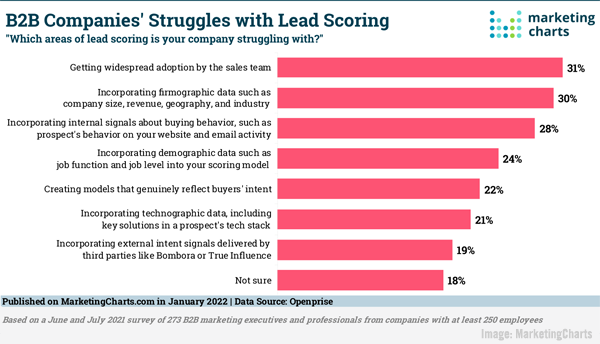
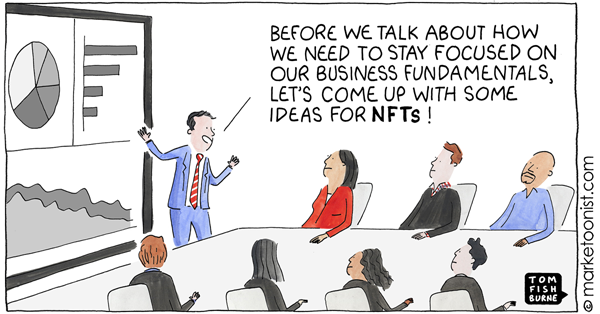
2022 February 4 MarketingCharts Chart How B2B Businesses Can Get Omnichannel Sales Right B2B sellers now more often offer digital channels than in-person ones, and recent survey data shows that marketers also find digital channels more effective, and The Harvard Business Review recently examined the power of a more holistic and customer-centric approach to collaboration in B2B. Harvard Business Review Google parent company Alphabet broke $200 billion in annual revenue for the first time Google's parent firm Alphabet topped the $200 billion revenue mark during 2021, a year-over-year rise of some 41 percent to $257 billion, with Google advertising revenue for the fourth quarter of 2021 totaling over $61 billion, Alphabet recently announced. The Verge Microsoft’s ad revenue hit $10B, and it’s investing — is it a sleeping giant about to wake? During 2021 Microsoft recorded more than $10 billion in advertising revenue, with its search and news services achieving strong growth of 32 percent over the year, while overall 2021 revenue at the firm rose by 20 percent to $51.7 billion, Microsoft recently announced. Digiday Social Media Study Finds Only 18% Of Brands Understand What The Metaverse Means 39.5 percent of brand marketing and analytics executives said that Microsoft's LinkedIn (client) was the most trusted social media platform, followed by Instagram with 14 percent, while just 18 percent said that they understood how the metaverse will effect their brand, according to recently-released survey data of interest to digital marketers. MediaPost [bctt tweet="“When the metaverse is mainstream, will you be like the person who held on to their AOL account and fax machine?” — A. Lee Judge @ALeeJudge" username="toprank"] Instagram rolls out a new profile banner to display users' upcoming live streams Meta's Instagram platform has begun offering an expanded profile banner that can highlight future live-stream events on the platform, in a shift that could bring additional exposure opportunities to B2B marketers live-streaming on Instagram, the firm recently announced. TechCrunch Google kills FLoC, introduces Topics API as its next-gen targeting tech Google has introduced a new ad-targeting system proposal to replace its previous Federated Learning of Cohorts (FLoC) effort, a system called Topics that will be centered around some 300 broad topics initially, as the search giant seeks to phase out its use of third-party cookies and implement an alternative method of ad-targeting. Search Engine Land 2022 February 4 Statistics Image U.S. Podcast Ad Spend Spiked 21%, To $590M, In 2021 During 2021 podcast advertising spending increased by 21 percent, reaching $590 million, with technology, media, and finance as the top industries for podcast spending, and mid-roll ads being the most frequent, according to newly-released report report data of interest to online marketers. MediaPost New Report Underlines the Importance of Social Media in Connecting with Gen Z Consumers Members of the Gen Z demographic ranked a social media presence as a top way for brands to maintain relevance, and the group was the most likely to be upset because of a negative brand interaction, while it was also the least likely to report a positive customer experience with a brand — three of several findings of interest to B2B marketers contained in recently-released survey data. Social Media Today Twitter Adds Free Performance Ad Tools To Woo Advertisers Twitter has rolled out three new tools — Site Visits Optimization, Aggregated Measurement, and Events Manager — as part of the platform's foundational updates aimed at offering a more helpful hub for marketers, Twitter recently announced. MediaPost B2B Companies Are Struggling with These Lead Scoring Aspects 31 percent of B2B marketers say their firm has faced a challenge in getting widespread sales team adoption for lead scoring, while 30 percent said fully using firm data was also a top lead scoring obstacle, according to recently-released survey data of interest to B2B marketers. MarketingCharts ON THE LIGHTER SIDE: 2022 February 4 Marketoonist Comic Image A lighthearted look at the “shiny new NFT syndrome” by Marketoonist Tom Fishburne — Marketoonist FTC Questions Merger Of Google With U.S. Government [Parody] — The Onion TOPRANK MARKETING & CLIENTS IN THE NEWS:
  • Lee Odden — Top B2B Marketing Experts to Follow — Marketing Insider Group
  • LinkedIn / TopRank Marketing — Scale Your Global Business With a Centralized Content Strategy (A LinkedIn Case Study) [Podcast] — Pam Didner
  • TopRank Marketing — Chief Marketer Unveils the 2022 CM200 Top Marketing Agencies of 2022 — Chief Marketer
Have you come run into your own top B2B marketing news for the week? Please don't hesitate to drop us a line in the comments below. Thanks for joining us for this week's TopRank Marketing B2B marketing news, and we hope you'll return next Friday for another round of the most relevant B2B and digital marketing industry news. In the meantime, you can follow us on our LinkedIn page, or at @toprank on Twitter for even more timely daily news.

The post B2B Marketing News: Omni-Channel B2B Sales Insight, Google & Microsoft’s Rising Ad Revenue, & Instagram’s Live-Stream Banners appeared first on B2B Marketing Blog - TopRank®.


from B2B Marketing Blog – TopRank® https://ift.tt/6m7RMNL
via IFTTT

Thursday, 3 February 2022

Helping Entrepreneurs Buy And Sell Their Agencies

Helping Entrepreneurs Buy And Sell Their Agencies written by John Jantsch read more at Duct Tape Marketing

Marketing Podcast with Amanda Dixon

In this episode of the Duct Tape Marketing Podcast, I interview Amanda Dixon. Amanda is the Co-founder at Barney an M&A firm that specializes in the digital marketing space. She’s also a Forbes 40 under 40 award recipient.

Key Takeaway:

Selling your agency in the digital space can be a hard area to navigate. Amanda Dixon found it difficult to find an M&A advisor who understood that landscape when she went to sell her own business. Since 2015, her company, Barney, has guided over 150 media, marketing & tech companies through acquisitions. In this episode, she’s sharing how she’s helped many entrepreneurs buy and sell businesses.

Questions I ask Amanda Dixon:

  • [1:14] What’s the story behind your company name?
  • [1:57] Could you tell us about your origin story and how you got started down this path?
  • [2:55] Is there anything unique to the digital agency space or the digital space in general when it comes to selling in comparison to a company with tangible assets like a roofing company for example?
  • [3:54] If someone stumbles upon you and what you do, and they’re ready to sell their agency, what is the first step?
  • [5:00] How do you put a tangible value on digital assets like a methodology or framework?
  • [6:33] Is there a way to value future growth?
  • [7:47] Is there a right time or right size or sweet spot for agencies?
  • [10:25] Are you seeing anybody selling parts of their companies rather than an entire acquisition?
  • [11:19] A very common model today is people are outsourcing a lot of the implementation fulfillment, does that make it actually harder to sell?
  • [12:00] Could you talk a little bit about the consultant versus agency model – is that harder to sell?
  • [14:12] Do you have a success story that you can share?
  • [16:06] Does hiring an advisor also come with a team of legal and financial advisors? Or do you have to find that outside of an advisor?
  • [17:49] Have you ever experienced a transaction where a Founder sold the company to their existing team?
  • [18:35] Could you tell people where we could find you and your work?

More About Amanda Dixon:

More About The Duct Tape Marketing Consultant Network:

Like this show? Click on over and give us a review on iTunes, please!

John Jantsch (00:00): This episode of the duct tape marketing podcast is brought to you by the sales podcast, hosted by will Barron brought to you by the HubSpot podcast network. Look, if you work in sales, wanna learn how to sell or just peek at the latest sales news. Check out the sales podcast where host will Barron helps sales professionals learn how to find buyers and win big business in effective and ethical ways. One of my favorite episodes lately, how to personalize your sales outreach at massive scale, who doesn't want to do that, listen to the salesman podcast, wherever you get your podcast.

John Jantsch (00:47): Hello, and welcome to another episode of the duct tape marketing podcast. This is John Jantsch and my guest today is Amanda Dixon. She's the co-founder at Barney, an M & A firm that specializes in the digital marketing space. She's also a Forbes 40 under 40 award recipient. And we're gonna talk today about helping entrepreneurs buy and sell their agencies. So Amanda, welcome to the show.

Amanda Dixon (01:11): Thanks for having me, John. This is great.

John Jantsch (01:14): So I have to start with the name. So, you know, I, I have kids that are in their thirties and I'm envisioning a purple dinosaur that I did a a lot of watching with, but I guess there's also Smith Barney, which is certainly in the finance space, but I'm sure you have and Barney

Amanda Dixon (01:29): The store.

John Jantsch (01:29): Oh, right, right, right. So, so hopefully there's a story or I'm guessing there is, you

Amanda Dixon (01:33): Know what, there is not a story, but I need to make one up because everyone asks the story is we needed a name and a domain. And I think it was $14 on GoDaddy. So that's what we ended up with corporate, but playful.

John Jantsch (01:49): Yeah. Yeah. We are barney.com in fact, was the URL that you secured. So your origin story, at least I dove into a little bit is you were like a lot of people, you had something you tried to get something done and couldn't so you thought, oh, go do that myself. So yeah. You had an agency and, and sold that agency or, or somehow related. Uh, tell me a little bit about

Amanda Dixon (02:12): That story. Exactly. Yeah. Not necessarily marketing services, a tech platform that, that sold and the process, this was seven years ago. The process to sell was brutal. I was pregnant with my daughter time. So there was a definitive end date when I wanted this process to be done. And I understood a really tough time finding representation that understood the digital space. And also, you know, was it gonna charge me a $50,000 a month retainer for me, the dollar amount of the transaction was so life changing, but for the markets and for the large scale M and a world, it wasn't a blip on the radar screen. So yeah, I just recognized, gosh, there's this huge gap above a business broker below an investment banker. That's just living in, uh, no man's land.

John Jantsch (02:55): I, is there anything unique to the marketing space, the digital agency space or the digital space in general, that kind of makes, you know, a disconnect between people that are also selling, you know, roofing companies a hundred percent.

Amanda Dixon (03:10): Yeah. I mean, in the agency space, there's no tangible assets. You're selling relationships with people. You're selling your culture, you're selling your client list, you're selling your business model, but that's it, you have no tangible also, you know, agencies, don't typically service clients in a localized market. Agencies can service clients all over the world. We may see them niche down based on the type of industry that they're in, you know, that they specialize in. They may just do PPC or just do SEO or just do creative, but they're all over the, the country. So we just found that folks that do know how to sell construction companies on a localized, on a localized scale, just don't have the buyer pool to attract a national, you know, a national buyer who's interested in the digital ecosystem.

John Jantsch (03:54): So let's say somebody stumbles upon you and what you do, or somebody tells them about what you and their first thing is. Okay. I'm, you know, I'm ready to sell my, what do you have to know? What do you have to start unpacking? Yeah. To really cause I, everybody wants to sell right. Everybody. Overvalues what it's worth expects the big pay day. So, so how do you have to start walking back to reality?

Amanda Dixon (04:15): Yeah. So I always joke with people, but it's one actually 100% serious. My job here in and our team's job is really to set realistic expectations across the board with buyers and with sellers. So the first thing we do is we've gotta get on the same page with evaluation as a firm, we will always do evaluation at no cost to just get on the same page and say, this is what your business is worth. Sometimes we're way over sometimes we're way under with what they're expecting. Sure. But nonetheless, that step one, we do that before there's ever an engagement because it's a lot of time to get these sold and anyone who knows how the, the MNA space works. We, we don't make any significant money until the business is sold. We're not in the business of just listing and having it sit. So step one is getting on the same page evaluation.

John Jantsch (05:00): So how, because there are no tangible assets, obviously it's a lot easier to sell a building, you know, as part of a thing. Right. So because there are quite often are like three laptops and, you know, four cell phones as, you know, the tangible assets. I mean, how do you end up putting some, something that is intangible that is more than like, you know, a, a multiplier of revenue, because there are some people that have created a methodology that have created a framework that have created something exactly a way to actually get, you know, leads. Exactly. I mean, so how do you put a tangible value on those things that maybe actually haven't realized their opportunity?

Amanda Dixon (05:36): Exactly. Yeah. So if the business is returning net income, profit, EBIDA at the end of the year, it is absolutely worth something right to the right buyer, right? So just like with any other business, uh, in the agency space, the more profitable you are, the higher your valuation outside of the financials, there are some components that are unique to the agency space that go into, uh, what affects the valuation. Multiple, those multiples can range between typically two to 10 X, two to two times, or up to 10 times of your bottom line number. Some of those other factors could include the type of revenue that you have or you project based, or your clients paying you on a re current retainer, the size of your clients. Are they all SMBs small businesses or do you have enterprise really big clients? Yeah. What does your sales and marketing team look like? Do you have a leadership team? All those things go into, you know, setting what that, that valuation is outside of just the financials.

John Jantsch (06:33): Okay. Let's say you're talking to somebody who has had like 300% growth three years in a row. So there's still only, I don't know, 5 million. Right. But somebody looks at that and says, you've cracked something, you know, you've like in 10 years you're gonna be a 50 million business. I mean, is that, is there a way to value future growth?

Amanda Dixon (06:52): Yeah. Great point. So in the agency space, one of the atypical features of going through an M and a transaction, and this ecosystem is we just typically use a trailing 12 P and L we are looking at three years of PNLs, but the reality is agencies can grow a hundred, 200, 300% year every year. It's not, you know, atypical. So we look at a trailing 12 number for retainer based agencies. If they've got a model down for getting new business, right. And their last month of MRR is higher than the average of, you know, what the previous years sure. We'll give credit for that buyers sometimes push back a little bit, but we will absolutely give credit for projections. It depends on the time of year two, if you're midway through the year and you're projecting out the current year, it it's an easier, you know, case to make to a buyer than if you're finishing up, you know, 20, 21. And you're saying, but 20, 22 is gonna end up double hard to do evaluation off of that.

John Jantsch (07:48): Is there a right time or a right size? And maybe it ha has to do with like, what are your objectives in life? You know, but you know, is there such a, like, do you get too big? Do you get like too clumsy? I mean, I, I wonder if you look at agencies and go, yeah, this is like the sweet spot.

Amanda Dixon (08:06): Yeah. So the easiest agencies to sell are between five and 15 million. Okay. And that's BEC and, and in total deal value. So that puts you at EBIDA right. O starting right at about a million. Once you hit a million in E you are significantly less risky to buyers. Now we sell lots of agencies that are smaller, but once you hit a million, anybody you're significantly less risky to buyers, you're now valuation is, you know, five to 6 million or higher, which then becomes real life changing money for folks. So once you have that million, but that's a, it's a great time to think about the conversation. We typically cap out somewhere in 7 million and it's 7 million in EBIDA just because there aren't that many agencies that are that size that haven't already gone through a transaction, the, the five to 15 range. There's just so many more buyers. When you get above 20, 25, 30 million, the buyer pool decreases and you lose the strategic buyer. Yeah. So strategic buyers or other agencies that are looking to bolt on a smaller yeah. Uh, those types of buyers, founders love because they understand the culture, they get the, you know, what it takes to be successful in the agency space. And they're not just making decisions based on financial returns. So, you know, I'd sell on that five to 15 range, but again, to each a zone. And

John Jantsch (09:23): Now let's hear a word from our sponsor, you know, how the universe is ever expanding, but it's constantly adapting to adding solar systems here and there a sprinkle of stars in a black hole or two to keep things interesting. A HubSpot CRM platform adapts and changes to the needs of your business. So the sky is never the limit HubSpot's reporting dashboard gives you a satellite view over your marketing sales and customer service performance. So you can get ahead of any issues before they happen. And automated marketing tools allow you to create consistent multichannel campaigns for clear, concise communications and less mixed messages. You can even use email marketing tools to send test and optimize your emails for different devices and inboxes, whether your business is Jupiter or Pluto size, a HubSpot CRM platform is easy, implement and ready to scale with you learn more about how a HubSpot CRM platform can help your business grow better @ Hubspot.com.

John Jantsch (10:26): to that point you just made do people, um, are you seeing anybody selling parts that, you know, it's like, Hey, I, we I'll just throw out an idea. We, we need a team of, you know, YouTube, you know, averages experts or social advertising experts. And we don't have that. So we want to acquire a firm that just does that as kind of a part rather, you know, sort of an AC acquisition hire.

Amanda Dixon (10:49): Yeah, exactly. So we see buyers do that all the time, and that's what strategic buyers do. You could be a really great, like e-com web dev shop and say, okay, we need performance marketing to drive eCommerce leads to our clients. We develop these great products, but we're not able to drive traffic to them. And our clients are asking for that. So that's really what strategic buyers are doing in this ecosystem. Sellers are not typically ever selling just a part of their business though, are really selling the whole thing.

John Jantsch (11:20): So talk to me a little bit about how hard it is. If you know, a very common model today is people are outsourcing a lot of the implementation fulfillment. So does that make it actually harder to sell because you don't really own that part of it?

Amanda Dixon (11:33): Yes and no. So if your project based agency and cash is challenging to manage, and the way that you work through that is by outsourcing, keep doing it because bringing in house and then having cashflow issues are not being profitable because you're overstaffed for projects is worse than having outsourced labor. If you retainer based, no, bring those people in house. There's no reason to, you can scale up if you've got the, if you've got the retainers,

John Jantsch (12:01): Talk to me a little bit about the consultant versus agency model. I work with a lot of, of consultancies, or at least that's kind of how they refer to themselves, who I think are, are strategic. They're providing more strategy and not necessarily fulfillment is that, it, it, I, I do think a lot of times that is a harder model to sell because it is typically, you know, even if it's a $5 million firm, it's typically about the people that they're buying or the people's relationships or the people's knowledge is that hard to sell than fulfillment engines.

Amanda Dixon (12:36): You know, it's interesting the market shifts, right? Like every market does the agency M and a market shifts too. We've seen over the course of the last couple of years, large agencies realize they need a seat at the strategy table. Yes. To do the fulfillment. So large agencies and financial buyers are saying, okay, we need to bring on management consulting, whether it's just around sustainability or diversity equity inclusion, or whether it's around just branding, the strategy piece has become a very desirable because oftentimes strategy is backed by data. And, and so have yes. Having a seat of able when you're in the C-suite, which those folks typically are, it, it is valuable. I wouldn't say it's harder. Uh, just the buyers are a little bit

John Jantsch (13:22): Different. Yeah. Well, that makes a lot of sense though, because I mean, one of the things that's going on in the world of fulfillment is you probably know is it's sort of a race to the bottom financially. Yeah. You know, I can get a website or somebody will promise to develop a WordPress for me for 500 bucks. I mean, I who's to say exactly what it's gonna be exactly. But I think it's gotten tougher to sell hasn't

Amanda Dixon (13:40): It? Exactly. Well, and look at what happened in the influencer agency space. Yeah. Influencer agencies 5, 6, 7 years ago, were making a killing. They were brand new. Yeah. Uh, you could be just a standalone influencer agency. Now with the rise of the influencer tech feels like a little bit of a race to the bottom. And some of those agencies are really struggling to, you know, remain profitable.

John Jantsch (14:01): Well, that happened 10 years ago, social media, only agents. Exactly. You know, and then all, all of the general agencies figured out Twitter's not actually that hard. We could just do that for them. Can't we, do you have a success story or two that you, I'm not sure how much you can divulge in terms of names and dollars, but do you want to talk about something that you put together maybe that could give an, an people an idea of the value of really going to somebody who specializes?

Amanda Dixon (14:29): Absolutely. Well, uh, there's, there's no question that whether it's us or someone else, everyone going through this process needs to have an advisor on their side. There are a lot of idiosyncrasies that go into an M and a transaction. So the, the historical data, you know, and part of the trade organizations for M and a groups is that nine and 10 businesses that are listed, never sell. And our ratio of, of sale sales is exactly the opposite. We sell 90% of what we bring on, and that's mostly because we're, we're hyper nation this space and really understand the business and the buyers. But the other side of that is, you know, you just need an advocate to guide you throughout the process. So success stories for us are, you know, abundant, we get to help people change their lives every day. Right. So, you know, as we look at, at our business and, and really the purpose behind that, we really stick to that core value in that, you know, everyone that we're able to get across the finish line is forever grateful to us.

Amanda Dixon (15:25): It's like getting married, having a baby and, you know, selling your business. Most of the most people tr trying, just do that, that once. Um, so yeah, I mean, success stories for us live in, in the stories of our clients and the happiness that they feel and the, you know, the phone calls and the text messages and the, you know, the email and the press about a, a close transaction and someone's life changing. And the, you know, it, it's not just the phone. It could be the key employees that are minted as millionaires at those, the time of those transactions, or, you know, they go on to a much larger ecosystem and continue to do great things. Those, those are all, you know, wonderful times of this business. So

John Jantsch (16:06): We've talked really, or, or at least I think all we've really talked about is the idea of, you know, having a advisor, but does that advisor come also with the, the legal aspects and the financial advisors and the cuz, uh, you know, somebody let's say somebody has a successful transaction and they, they walk away with two and a half million dollars, you know, before their earn out or whatever. I mean, all of a sudden they've got, I hate to say their problems, but they've got different problems. Right. I mean, so are you really hiring a team with your organization or is it more like, oh, we tell people they need to get all those people.

Amanda Dixon (16:41): Yeah, exactly. Sorry. I was,

John Jantsch (16:43): Yeah. I, I tried to extend my question because I could tell you, you were struggling. Could you

Amanda Dixon (16:48): See me struggling? I'm muted for a minute. Sorry about that. Yeah. So we really try and do all of that in house. Folks still need to have their own counsel yeah. To go through the process. They need to, you know, the buyer produces closing documents, but at the end of the day, every seller needs to have a, you know, an attorney on their side who can help review those documents. It's part of a law firm. We have an amazing house council who helps with that process and, you know, will help guide the due diligence process. But ultimately the, the sellers do need to have, you know, an attorney. Yeah. Outside of that, I mean, we've just got an amazing team of people that come from the finance industry, but then folks that don't, um, people that come from the agency space, people that are entrepreneurs and, you know, our job is to handhold throughout this, what can be a very stressful, emotional process. And, you know, there's various components to that from financial to, to legal and, and some of it's just emotional therapy. All right.

John Jantsch (17:48): So one last question, cuz we're gonna run outta time. Have you ever experienced a transaction where a founder sold the company to their existing team?

Amanda Dixon (17:56): No, that's always that, that in some cases has been a scenario that people think they want to do, but then when they realize that there are other opportunities for their team, that could be better and could be yeah. They realize that that's probably not the best option for anyone.

John Jantsch (18:12): Yeah. It probably, it would probably be rare to have, uh, in many cases, a team that's even a, something they want.

Amanda Dixon (18:18): Right. Yes, exactly. So that, yeah, we find that, yeah. We find that a lot that, that folks that are, you know, senior leaders at the team don't want to, you know, own it, they're happy, you know, kind of in the real that they're filling and excited to go join a larger ecosystem.

John Jantsch (18:32): So short of looking for the purple, uh, dinosaur, could you tell people where we could find you Amanda and your work? Yeah,

Amanda Dixon (18:39): Yeah, exactly. Yes. LinkedIn is a great place to reach me, Amanda Dixon and our website. We are barney.com.

John Jantsch (18:46): Awesome. Well, Amanda, thanks so much for stopping by. This was a great conversation and uh, hopefully we'll run into you one of these days out there on the

Amanda Dixon (18:53): Road. Awesome. Thanks John. All

John Jantsch (18:56): Right. So that wraps up another episode. I wanna thank you so much for tuning in and you know, we love those reviews and comments. And just generally tell me what you think also did you know that you could offer the duct tape marketing system, our system to your client and build a complete marketing consulting coaching business, or maybe level up an agency with some additional services. That's right. Check out the duct tape marketing consultant network. You can find it at ducttapemarketing.com and just scroll down a little and find that offer our system to your clients' tab.

This episode of the Duct Tape Marketing Podcast is brought to you by the HubSpot Podcast Network and WorkBetterNow.

HubSpot Podcast Network is the audio destination for business professionals who seek the best education and inspiration on how to grow a business.


from Duct Tape Marketing https://ift.tt/DVKeLp9
via IFTTT

Wednesday, 2 February 2022

How To Create A Brand Name For Your Company

How To Determine If Your Invention Is Patentable

How To Determine If Your Invention Is Patentable written by Sara Nay read more at Duct Tape Marketing


About the show:

The Agency Spark Podcast, hosted by Sara Nay, is a collection of short-form interviews from thought leaders in the marketing consultancy and agency space. Each episode focuses on a single topic with actionable insights you can apply today. Check out the new Spark Lab Consulting website here!

About this episode:

In this episode of the Agency Spark Podcast, Sara talks with Devin Miller on how to determine if your invention is patentable.

Devin Miller is an entrepreneur who is also a patent and trademark attorney. Devin has obtained several degrees including a Law degree (JD) and a Masters in Business Administration. He even has degrees in Electrical Engineering and Mandarin Chinese.

While working for a large law firm helping Fortune 100 clients like Amazon.com, Intel, Redhat, and Ford with their intellectual property, Devin quickly realized that there weren’t many good intellectual property legal resources out there for start-ups and small businesses. As an entrepreneur, Devin wanted to help other small business owners learn about patents, trademarks, and copyrights so they can build value into their businesses and protect their assets.

In addition to founding and running my own patent and trademark law firm, Miller IP Law, he is the co-founder of several startups including a multi-million dollar startup for wearable glucose monitoring.

Like this show? Please leave us a review on Apple Podcasts here!


This episode of the Agency Spark Podcast is brought to you by Termageddon, a Privacy Policy Generator. Any website collecting as little as an email address on a contact form should not only have a Privacy Policy but also have a strategy to keep it up to date when the laws change. Click here to learn more about how Termageddon can help protect your business and get 30% off your first year payment by using code DUCTTAPE at checkout.


from Duct Tape Marketing https://ift.tt/OHIoUnEcF
via IFTTT

New Google Search Updates & How B2B Marketers Can Use Them To Elevate Efforts

Woman B2B marketers jumping image.

Woman B2B marketers jumping image. In 2022 Google has made changes that affect what B2B marketers are able to accomplish with its search and advertising offerings, but how can these sometimes subtle changes be utilized to elevate marketing efforts in the year ahead? Google’s recent search updates — and its plans for the year ahead — offer B2B marketers new opportunities and challenges. Here’s a look at five changes, and how they can help improve your B2B marketing efforts in 2022.

1 — Google & The Cyclical Nature of Content Delivery Evolution

Gary Illyes, webmaster trends analyst at Google, recently joined fellow Google associates John Mueller, senior webmaster trends analyst, and Martin Splitt, Google Search Relations team developer advocate, in an episode of Google’s “Search Off the Record” podcast, and the trio took a fascinating look at several areas of interest to B2B marketers. Gary, John, and Martin shared some of the ways that Google’s Search Central resource hub — formerly known for years as Google Webmasters — is looking to grow in 2022, from sustainability efforts and search guidelines to how Google plans to meet the challenges of events in 2022, and more.

2 — Data Gathering With An Energy-Saving Eye

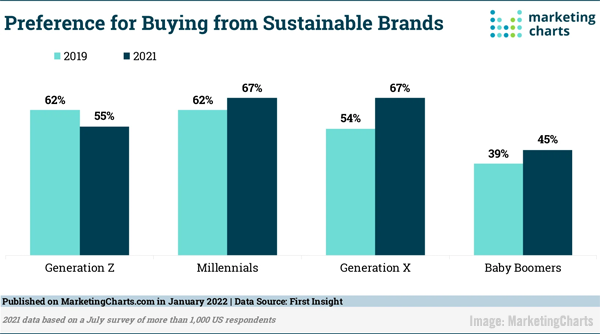
Gary explored some of Google’s continuing efforts to refine the web crawling process with an eye towards saving energy and increasing sustainability. What might seem a small goal at first becomes much larger in scope and importance when the vast size of the web in 2022 — and the frequency with which Google automatically indexes it —  are considered. Additionally, an increasing number of surveys have shown that consumers in both the B2C and B2B markets are placing greater value on sustainability when it comes to how they view and choose to interact with brands since the pandemic began. Marketing Charts Image [bctt tweet="“We are definitely thinking more about the sustainability of crawling and indexing. We are going to focus even more on those topics in 2022.” — Gary Illyes @methode" username="toprank"]

3 — Wealth Of Guideline Documents Ripe For Updating

Martin, John, and Gary also took a look at changes 2022 may bring to Google’s webmaster guideline documents — a wealth of information amassed over many years that could offer new benefits by being updated. Many B2B marketers — especially those on the search engine optimization (SEO) side of brand efforts — utilize these guideline documents, however the Google trio noted that in some areas they may have gotten a bit too complicated. They could essentially be split into basic and technical versions, the three noted, such as separating technical and quality guidelines, and some areas could also benefit with the addition of more examples. With more than 15 years worth of guideline documents, certain old content references may now include an occasional outdated citation, such as to services that have changed names or even ceased operations, while other portions might not be as clear as they could be. The guidelines may even have a name change in store in 2022, the three speculated. 2022 could see changes in these areas, and the way that the issue of web page crawler cloaking is covered in the guidelines was also singled out as a possible target for improvements this year. Any such changes would likely be announced well ahead of time, Martin suggested, in order to give webmasters and marketers alike a healthy heads-up on changes to what are for many in the industry key search help documents from Google. [bctt tweet="“The goal is to make webmaster guidelines clearer and more specific to help people.” — Martin Splitt @g33konaut" username="toprank"]

4 — Smaller Meet-Ups & Events As Google Keeps Safety Paramount

When it comes to 2022 event plans for the Google search department, Martin suggested that due to the pandemic, virtual events are the most likely to take place, while also looking for viable ways do hybrid events. It could also be a year during which small, local in-person events are utilized, especially the “unconference” format, Martin noted. While safety concerns likely mean that B2B marketers may not be able to attend any massive in-person Google events during 2022, smaller local meetups held on short notice — announced three or four weeks ahead of time — will likely still be possible. Large events will take longer to get back on track, and Martin urged patience as teams at Google seek a safe road to the large in-person conference experiences of pre-pandemic times. Google is not alone in facing the challenges of holding events during the global health crisis, as Microsoft and other large organizations also struggle with how to safely hold in-person conference gatherings. I recently explored some of the ways that B2B marketing events and the people who attend them are dealing with these issues, in "In-Person, Virtual & Hybrid: How To Get The Most From B2B Marketing Events In 2022." [bctt tweet="“We are definitely going forward with virtual unconferences this year. I'm really, really looking forward to that.” — Martin Splitt @g33konaut" username="toprank"]

5 — Bulletin Boards & The Cyclical Nature Of Content Delivery Evolution

While exploring possible new formats the Google Search teams could use for providing helpful new content in 2022, several ideas were mentioned. Two content formats with fairly deep roots were noted, in the form of newsletters and blog posts, which have both seen somewhat of a resurgence in the past year. I explored the staying power of the newsletter format recently, in “Sign Me Up: How B2B Marketers Will Create Top-Notch Newsletters In 2022.” Another content format with even deeper digital roots was mentioned lightheartedly by Martin – the bulletin board, which brought a big approving smile to my face, as that’s how I began my own online journey 38 years ago back in 1984, when I operated a 300-baud computer bulletin board system on a Commodore 64 computer. Having this trio of Google professionals mention these formats from a digital yesteryear led me to ponder the cyclical nature of online content delivery’s evolution since the 1980s. Does the nature of online information make it inevitable that the formats in which it is presented will not only change and evolve throughout the years and decades, but also eventually become cyclical, and naturally make a slow but inevitable return back to some of the purest and most clear forms of content delivery, such as the beautiful straightforwardness of plain text, before once again going through the next in an endlessly evolving series of formats? As I get close to 40 years in online communication, these sorts of questions looking at cyclical content format changes seem more and more relevant, and I think they are by and large mostly positive moves. B2B marketers can all too easily get caught up in wrapping up content in the flavor-of-the-month social platform or app formatting, making it helpful to sometimes step back and make sure that the actual messaging is as relevant and powerful to your audience as the latest splashy way that it’s published. [bctt tweet="“B2B marketers can all too easily get caught up in wrapping up content in the flavor-of-the-month social platform or app formatting. It's good to step back and make sure that the actual messaging is relevant.” — @lanerellis" username="toprank"]

B2B Search Success Is A Long & Winding Road

via GIPHY Learning from some of Google’s ideas and plans for 2022 can help B2B marketers better prepare for forthcoming changes, and we hope that the five areas we’ve explored here will serve you well as you create new audience experiences in the year ahead. To dig in to more B2B search marketing tactics, tips, and strategy, here are several helpful related articles we've published: Crafting award-winning B2B marketing that elevates, gives voice to talent, and humanizes with authenticity takes considerable time and effort, which is why an increasing number of firms are choosing to work with a top digital marketing agency such as TopRank Marketing. Contact us to learn how we can help, as we’ve done for over 20 years for businesses ranging from LinkedIn, Dell and 3M to Adobe, Oracle, monday.com and others.

The post New Google Search Updates & How B2B Marketers Can Use Them To Elevate Efforts appeared first on B2B Marketing Blog - TopRank®.


from B2B Marketing Blog – TopRank® https://ift.tt/Qh527C19B
via IFTTT