Wednesday, 19 December 2018

The Top Four Marketing Trends for 2019

The Top Four Marketing Trends for 2019 written by John Jantsch read more at Duct Tape Marketing

Marketing Podcast with John Jantsch on 2019 Marketing Trends

‘Tis the season for end of year lists and content that’s looking to trends in the New Year. Rather than run through all of the ins and outs of what I see coming up on the marketing horizon, I’ve decided to focus on what I see as the four most important marketing trends for 2019.

If you’re a small business owner or a marketing consultant who works with small business teams, these are the trends you can’t afford to ignore.

1. Get Up to Speed on Google My Business

Google has been trying to crack the social media and small business ad platform code for a while. Some attempts, like Google Plus, have not worked, but it seems like they may have finally found their sweet spot with Google My Business. This is a tool where local businesses can advertise and consumers can find nearby businesses on mobile devices.

Over the past few months, Google has been more and more focused on the Google My Business platform. It’s become more feature-rich and useful for business owners, and I think it’s likely that it will become a sort of social CRM tool in the near future.

Google My Business

Photo courtesy of Google

What do I mean by that? In addition to the features like leaving reviews, finding directions, and making suggestions to edit the page, Google has recently added a feature where people can follow a Google My Business page. Not only that, Google’s recently introduced an app just for their Google My Business product.

These changes lead me to believe that they’re aiming to make Google My Business like a social network for businesses. This serves local business owners well. When someone starts to follow your company on Google My Business, that’s obviously a strong indicator that they’re interested in what you have to offer. This provides yet another channel for you to identify hot leads and connect with your fans.

If you’re running marketing efforts for a small business, then you should be paying close attention to all of these developments and additions to the platform and keeping pace with them accordingly.

Eventually, I anticipate that a business’s Google My Business platform will become a ranking factor in Google searches. The more followers you have on your page, the higher you’ll rank in search results. The quality of your business’s online assets and reviews are already ranking factors, so it’s not a leap to think that Google My Business will affect ranking in the future.

2. Focus on Retention

There’s an awful lot of work that goes into generating leads. It’s time, it’s money, it’s effort. This means that retaining leads is really where a business’s bread and butter lies. Research has shown time and again that it’s cheaper to sell to an existing customer than to go out and find a new one.

So what does that mean for your marketing efforts? It means you need to focus on your basic online presence. Existing customers will only stick around if their experience in interacting with you is one that builds trust. When you have a shoddy online presence that’s inconsistent or has big gaps in information, you make your customers doubt you. Have you ever thought twice about using a particular service provider because they had a bare bones website or they weren’t anywhere to be found on Yelp?

Retention is also about focusing on building a robust on-boarding process for existing customers. This needs to be a process that’s clear-cut and allows you to monitor results and make changes and improvements based on the data you’re seeing.

Finally, you need to make sure you’re creating real value for your existing customers. Build campaigns that really train them, events that are experiences that surprise and delight, and a referral process that provides true incentive for them to pass your name along to others.

CRM and marketing automation tools can help you manage these processes. These tools allow you to segment your audience so that you can easily guide, train, and over-communicate with the customers you already have so that retention stays high.

3. Embrace the Cloud

In recent years, the Cloud has become a bigger and bigger part of doing business. And small business owners have already begun to use cloud-based technology to improve their internal systems and processes. Cloud-based storage and communication systems have made it easier for distributed teams to collaborate and get things done.

However, the future lies in harnessing cloud technology to provide an even better customer experience. It’s not just about convenience or lowering cost, it’s become a part of the customer’s expectation that cloud technology is used to enhance the customer experience.

As you begin 2019, think about how you can use cloud-based tools that help with payment collection, online collaboration, and other customer service features to make your customer experience even more seamless.

4. Use Video Content Everywhere

We’ve been talking about content and we’ve been talking about video separately for years, but I think 2019 is going to be all about video content. Short form video content, in particular, is an important marketing trend. Studies continue to show that video content gets the most engagement and highest return on investment.

Developers and tech companies have caught wind of the trend as well. They continue to come out with new tools and products that make it easier for anyone to produce short and engaging videos that can be used for any and all marketing efforts.

Video isn’t just something splashy to put on your website’s homepage anymore. It can and should be used to provide meaningful content all throughout the customer journey. You may use it during the early phases to introduce the brand story and team members, but it can also be employed further along the journey to share content that establishes you as a thought leader in your industry (building trust with prospects), and later to provide in-depth tutorials for customers so that they can get the most out of their recent purchases.

You should be using video across channels, too. Video on your website is great, but also put your video content to use in ads, social media posts, and as a way to introduce your blog posts. When video is used in this way, it goes beyond being just a tool to becoming something that produces deep, meaningful content all along the customer journey.

I hope taking a look at these trends gets you excited about all of the wonderful marketing possibilities ahead in the New Year!

Like this show? Click on over and give us a review on iTunes, please!

Gusto Logo_full berry_small

This episode of the Duct Tape Marketing Podcast is brought to you by Gusto! Payroll and benefits are hard. Especially when you’re a small business. Gusto is making payroll, benefits, and HR easy for modern small businesses. You no longer have to be a big company to get great technology, great benefits, and great service to take care of your team.

To help support the show, Gusto is offering our listeners an exclusive, limited-time deal. Sign up today, and you’ll get 3 months free once you run your first payroll. Just go to Gusto.com/TAPE.


from Duct Tape Marketing https://ift.tt/2PL7GnP
via IFTTT

Loyalty Programs and Holiday Mailing

As Cyber Monday sales top $7.869 billion for 2018, a 19.3% year-over-year increase from 2017, many marketers are eager to “reward” their customers for their loyalty with ongoing promotions and offers to the inbox. It’s a great strategy when executed correctly. Brands are able to create special, individualized offers for existing customers and continue to drive sales through the rest of the holiday season. But there is a very important, often overlooked, caveat to this marketing strategy. Loyalty programs should always be treated as promotional, and not transactional, messaging.

Particularly for senders with dedicated transactional IPs, the idea of sending loyalty campaigns as a transactional message is tempting. Transactional campaigns are highly engaged with (receipts, shipping confirmations, recall notices, etc.), and typically have much higher delivery rates as a result. But this should never act as justification for the “ends justifying the means” of a bad mailing practice. In this case, the bad far outweighs the good and it’s your customers who could end up paying the price.

Keyword: Transaction

When asking yourself, “can this be sent as a transactional message?” consider the keyword in that sentence: transaction. Is the goal of this message to convey information about an existing transaction? Or is the intention to drive a further transaction? If the answer is to motivate a new purchase, the message is promotional. Period. Through this lens, loyalty programs clearly fall into the latter category. 

You may be thinking, “But this loyalty/reward was earned because of an existing purchase. It’s a logical follow-up communication. Clearly, that makes this transactional.” However, the intent of the message still needs to be considered as the determining factor. Ultimately, the reward in question is meaningless unless a further transaction is completed by the customer. It is still a tool to drive further sales. And when it comes to protecting your transactional mail, it is better to be safe than sorry. 

Promotional vs. Transactional

Keep in mind that ISPs don’t distinguish or care if the IP you are sending from is promotional or transactional. All inbound mail will be treated with the same scrutiny. Delivery will still be determined based on reputation and reputation is still based on all standard mailing metrics. Loyalty programs run the same risk of spam complaints, delete without opening rates, or bounce/trap rates as any other promotional message. The difference is the reputation impact they can have on a transactional stream of mail is far disproportional to that of general promotional mailing. Don’t risk the delivery performance of those critical messages that need to get to your subscribers’ inboxes. Keep loyalty programs promotional.

And read this blog post for further information on promotional vs transactional mailing guidelines.    

Getting your message delivered is vital to revenue performance. A slight increase at the top of the funnel can make a huge difference to your bottom line. Check out our guide Do More With Email Deliverability and Privacy for tips to tackle email deliverability and privacy.       


from Oracle Blogs | Oracle Marketing Cloud https://ift.tt/2EsRi9v
via IFTTT

TopRank Marketing’s Top 6 B2B Social Media Marketing Predictions & Trends to Watch in 2019

Social Media Marketing Trends & Predictions for 2019

Social Media Marketing Trends & Predictions for 2019 That magical time of year has come once again, B2B marketers. As the end of the year draws near, we’re reflecting on what has come to pass and looking ahead to what is yet to come. We’re setting goals. We’re shaking up strategies. And we’re hoping the next year will bring more focus, insight, and success. Undoubtedly, social media marketing is top-of-mind as we reflect and plan. From the emergence of cool new platform features to scandal and algorithm shifts, 2018 brought both opportunity and obstacles—excitement and dismay. And we expect 2019 to be no different. So, what do B2B marketers need to keep an eye on in 2019? How will you need to adapt your social media strategies? How can you turn challenges into opportunities? Here are our top social media marketing trends and predictions for the coming year.

#1 – The Element of Trust

Seeds of mistrust in the profiles, postings, news, and information shared across social channels were planted a couple years ago. But in 2018, we’ve seen those seeds blossom. Following its Russian ad debacle in late 2017, Facebook’s Cambridge Analytica scandal broke in March 2018, revealing that private profile information was exploited for political gain. As for Twitter, negativity, trolling, and news of fake accounts and follower counts have been growing in scope since the 2016 election, enraging many users and prompting the platform to take a hard look at how to improve civil discourse in 2018. And to top it all off? We’re living in a world of general distrust, as the 2018 Edelman Trust Barometer revealed. In addition, a special Edelman report issued in June showed that global trust in social media is at just 41%. The good news is that brands can and should rebuild that trust in 2019 and beyond. In fact, the special Edelman report shows that consumers—who are also your B2B buyers—are counting on brands to fix the issues. “Four in 10 consumers say they are unlikely to become emotionally attached to a brand unless they are interacting via social media,” the Edelman report said. “But they want a better deal for their data. Brands must act to address data privacy concerns, create trusted content, and join forces with regulators, platforms and consumers to restore trust in the social media ecosystem.” Ultimately, this will require you to align your overall digital marketing strategy around creating trust and value. More specifically for social, this means more authenticity, transparency, and active discourse with your buying audience to showcase your credibility, earn their trust, and encourage engagement. via GIPHY And as Debbie Friez, Influencer Strategist at TopRank Marketing points out: “This also means there’s an opportunity to for careful selection and collaboration with credible, relevant thought leaders and experts to create insightful, trustworthy content.” We’ll get to the influencer piece in a bit. But first, all of this means being prepared for more platform changes and algorithm tweaks. Facebook announced major platform and ad changes following its mishaps, with iterations expected well into 2019 and beyond. Twitter has committed itself to purging fake accounts, fostering better conversations, and serving up better content to users. [bctt tweet="Brands must act to address #dataprivacy concerns, create trusted #content, and join forces with regulators, platforms and consumers to restore trust in the #socialmedia ecosystem. - @EdelmanPR" username="toprank"]

#2 – The New Age of “Stories-telling”

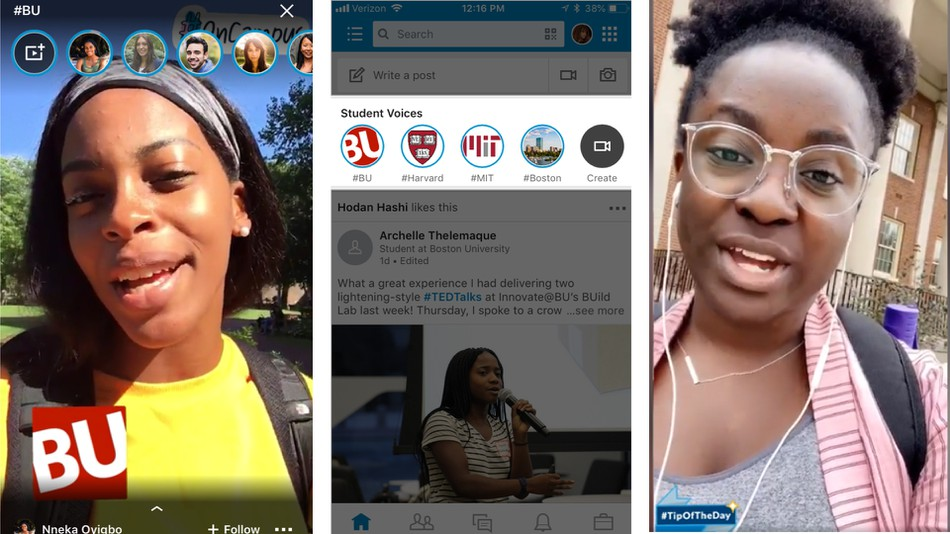
When Snapchat launched its “My Story” feature back in 2014, it was an apparent wake-up call to the world’s larger, more established social networks. Instagram Stories launched in 2016, followed by Facebook beginning its rollout Facebook Stories in 2017. Now, it’s LinkedIn’s turn. *LinkedIn recently launched “Student Voices” for university students in the United States. But the platform confirmed plans to build Stories out for more users. Will that include brand pages? Time will tell. Credit: Mashable via LinkedIn The point? The off-the-cuff, in-the-moment video and photo stories are resonating with, exciting, and engaging social media users. Why? They can be visually intriguing—and they’re short and sweet, which is good for our short attention spans. And this means the Stories format may be the future of in-app reach and engagement across channels—which no B2B marketer can afford to ignore, especially as their target buyers get younger. Our own Nick Nelson dedicated some time to discussing marketing opportunities for Facebook Stories specifically, but his assessment has broad resonance and timeliness here. “Since brands generally aren’t tapping into this functionality as of yet, early adopters can jump ahead of the curve and beat their competition to the punch,” he stated. “If there’s one primary takeaway from Facebook’s story (as reflected in The Social Network), it’s the tremendous business value in being first.” While LinkedIn’s developing feature may be the most intriguing for B2B marketers like yourself, in the new year you should take stock of your current platform mix and associated strategies to determine if Stories holds potential for your audience and goals. In addition, you should keep a watchful eye on the evolution of these features, so you can make informed decisions more quickly. [bctt tweet="Early (Stories) adopters can jump ahead of the curve and beat their competition to the punch. @NickNelsonMN #SocialMediaMarketing #trends" username="toprank"]

#3 – The “Experiential Differential” for Social Video

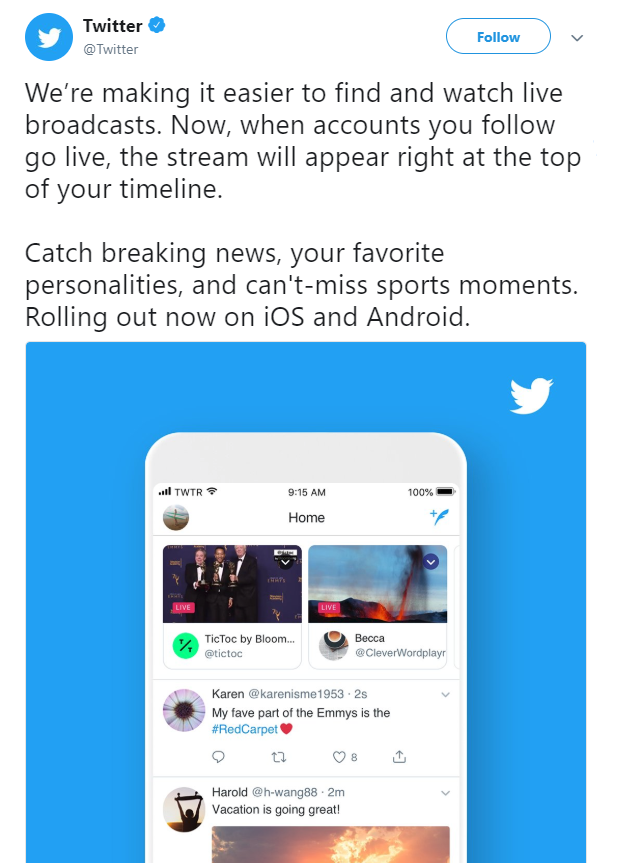
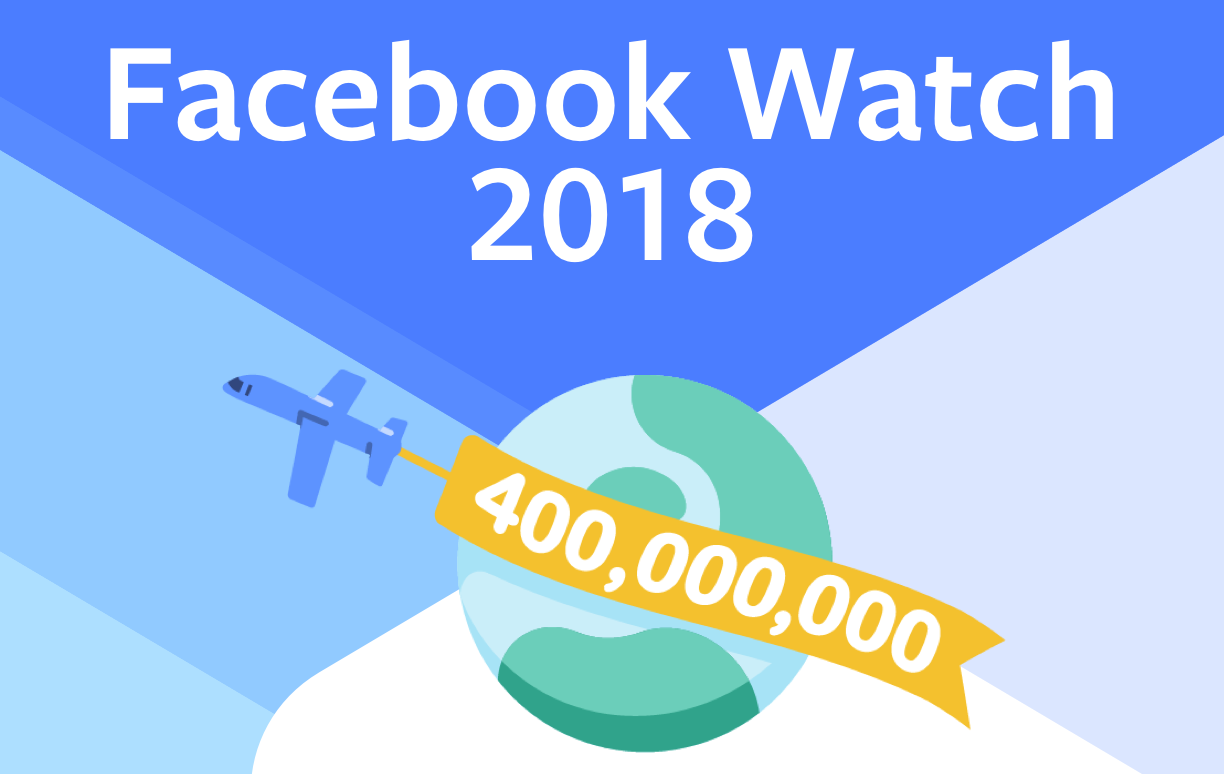
Video content, both pre-produced and live content, started gaining real traction a couple years back. But today, video is officially dominating social media news feeds. Why? No. 1: Video is engaging, and humans are visual creatures by nature. No. 2: Social media platforms have recognized video as an engagement medium that not only delights users, but also keeps them on the platform. And they’ve made tweaks to serve up more of it. For B2B marketers, video has presented an opportunity to bring their brands, solutions, and services to life, and reach their prospects and customers in a more compelling way. But in 2019 and beyond, social video—especially live video—has the opportunity to create more than engagement—but also memorable, real-time experiences. After all, as famed customer service and experience expert, Shep Hyken, recently told us: “Customer experience is the new marketing; it’s the new brand.” For example, Twitter recently announced that it would be taking steps to make video and broadcasts easier to find and watch live on mobile devices. In addition, Facebook launched Facebook Watch, featuring videos from all pages and “Facebook originals.” From my perspective, this shows that the platforms are committed to driving better experiences with (great) content. Also, consider the Twitch phenomenon. While Twitch may not consider itself a social media platform, it’s building a community where people can watch, talk, and interact. So, when it comes to creating compelling video experiences on social media, marketers should be asking themselves how they can elevate intrigue and foster engagement with their video content. Like any marketing effort, start with data and draw insights. Earlier this year, Amanda Todorovich, Senior Director of Content and Creative Services at the Cleveland Clinic, shared her content marketing insights with us—with this tidbit directly applicable to social video, in my opinion. “Always bring data to the table, especially data from search and analysis and social media engagement. These insights tell you what your customers want and need,” she said. “When your content helps fill those gaps and provides your target audiences with answers, you will build stronger relationships with them on your different platforms.” What does your audience want and need? And how can you use video to fulfil what they’re asking for so you can build relationships and create a great experience? Commit to answering these questions in the new year. Read: Allen Gannet Shares His Secrets to Racking Up Millions of LinkedIn Video Views #CMWorld

#4 – The Evolution of What Social Influence Looks Like

After years of incremental algorithm tweaks (and emerging scandals prompting even more), in early 2018 we marketers had to accept that brand organic reach on social media had essentially disappeared. TopRank Marketing saw opportunity here—opportunity for B2B brands to dip their toes into the influencer marketing waters and partner with industry leaders and experts to create amazing content. However, as the year has gone on, a “crisis of influence” has emerged in a couple different forms. First, platforms—most notably Twitter and Instagram—have had to contend with fake “bot” profiles and inflated follower counts (as the result of fake profiles). Quite obviously, this has meant that reach and resonance within target audiences aren’t reaching their full potential. Second, there’s been a lack of transparency on which posts and pitches are sponsored. And third, bad behavior on the part of recognized influencers has had a ricochet effect on brands. The latter two have had particularly dire impacts on B2C brands, but that doesn’t mean B2B brands shouldn’t be concerned. The bottom line? It’s becoming clearer to brands, buyers, and consumers alike that influence isn’t defined by follower count and estimated reach, something we’ve been evangelizing for years. via GIPHY While “big players” certainly play an important role in your influencer mix, variety is absolutely the spice of life now and into the future—and niche and micro-influencers are growing in numbers and importance. In 2019, B2B marketers need to double-down on vetting and recruiting influencers who are authentically interested in their products or services, and who are genuinely active in the communities of interest. When this is done right, it’s a win for all parties. In addition, a commitment to ongoing nurturing is a must to drive success. “We’ve found that B2B influencers will be more invested in the brand when the brand invests more in an ongoing relationship with the influencer,” Lee Odden, TopRank Marketing’s CEO, recently wrote. “One of the most effective ways to engage B2B influencers on an ongoing basis is through content collaboration.” He added: “That content doesn’t always need to be a blockbuster campaign, either. Twitter chats, short quotes, quick videos and social engagement are all easy and impactful ways for brands to engage with influencers on an ongoing basis.” [bctt tweet="Twitter chats, short quotes, quick videos and #socialmedia engagement are all easy and impactful ways for brands to engage with influencers on an ongoing basis. - @leeodden #InfluencerMarketing" username="toprank"]

#5 – The Rebirth of Groups

On LinkedIn and Facebook, Groups have been around for a while. But when the community-centric spaces started to lose steam, both eventually took steps to pull them into separate apps. However, those moves fell flat of expectations. In 2017, Facebook announced it would pull the app and integrate the feature closer to the user experience, according to TechCrunch. Then Facebook rolled out “Facebook Groups for Pages,” allowing brands to rally engagement and conversation around interests and topics. And just a few months ago, LinkedIn relaunched Groups in the main app, after “quietly” shutting the app down earlier in the year. And according to both platforms, more updates and features for Groups are to come in the new year. But why are these social media giants focusing on Groups? The widely publicized scandals, and user’s growing privacy concerns and calls for more real connections, are all likely culprits. Why should Groups be on your radar in 2019? Because groups are captive audiences, made up of people who are actively looking to engage, seeking authenticity, and wanting to be part of a community. If you’re thinking of adding Groups to your B2B social media marketing mix in 2019, it will require a different approach. While these spaces present marketing opportunities, they’re not places for product-centric messaging. When it comes to a B2B marketer’s preferred platform, LinkedIn, the new features within Groups stress exclusivity, privacy, security, and less distractions for meaningful conversations. But it’s an opportunity for B2B marketers to establish thought leadership since they’ll be showcasing their knowledge—which can lead prospects back to company pages and marketing materials. [bctt tweet="Why should #LinkedIn and #Facebook Groups be on your radar in 2019? Groups are captive audiences, made up of people who are actively looking to engage, seeking authenticity, and wanting to be part of a community. - @CaitlinMBurgess" username="toprank"]

#6 – The Visualization & Personalization of Pay-to-Play Options

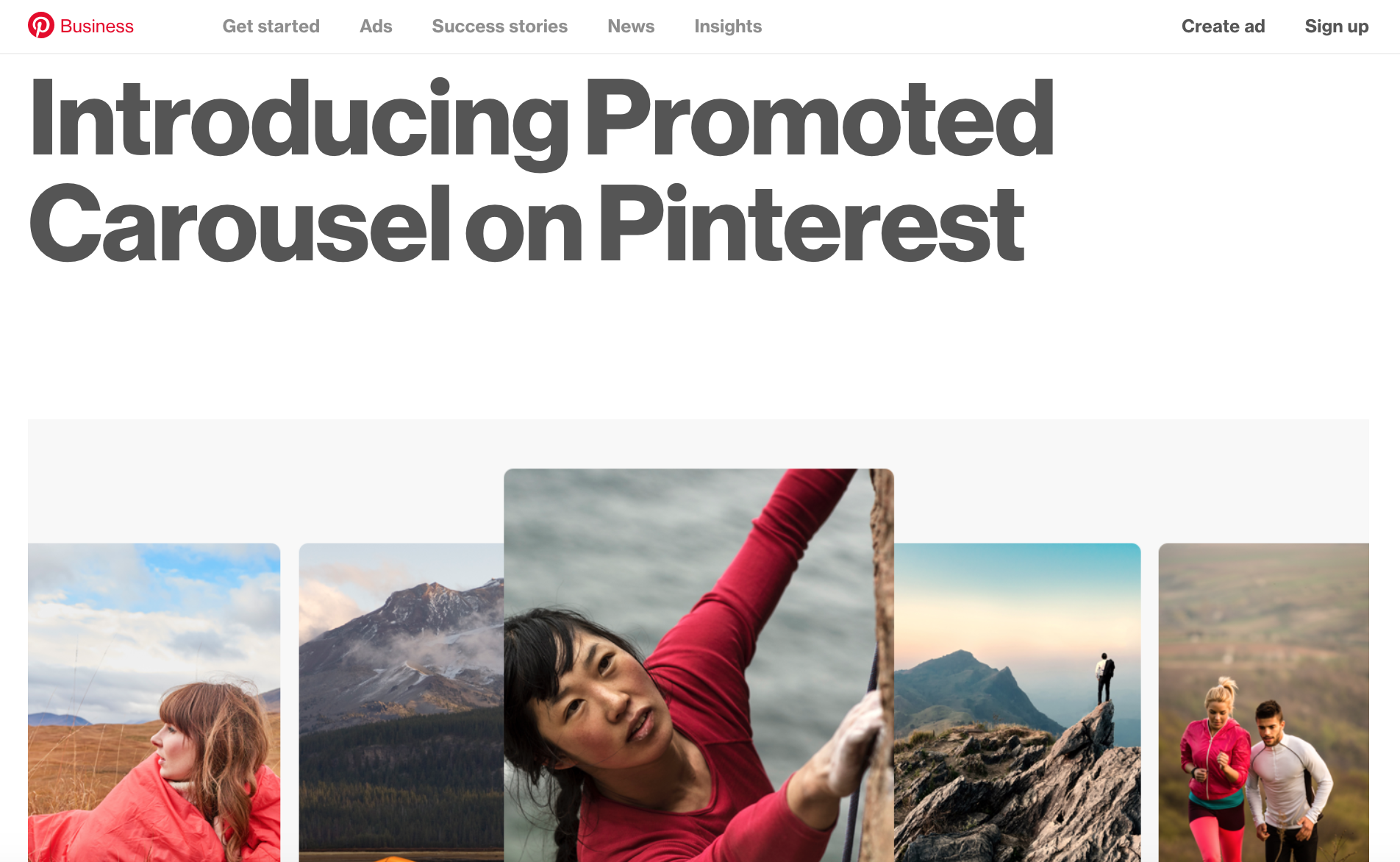
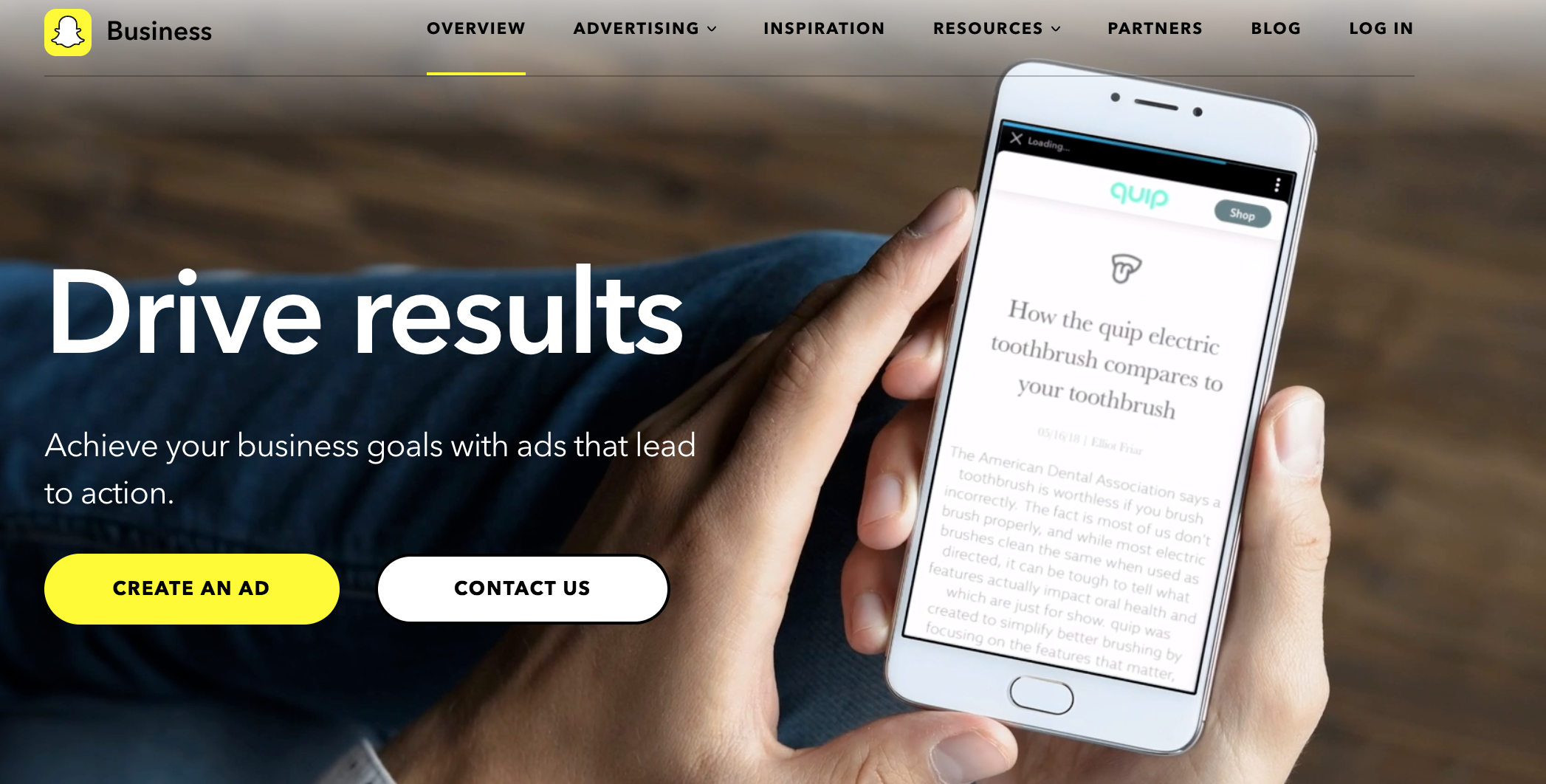
For years, social media platforms have been making algorithm and layout tweaks aimed at improving user experience, as well as revenue numbers. As a result, organic reach has effectively disappeared and the use of paid tactics has been rising. But in light of the aforementioned scandals, user privacy concerns, and new data privacy laws, as well as the increasing need to tailor experiences to make meaningful connections, most major social media platforms are retooling their ad options to be more visual (eh hem, video) and personalized. And if they haven’t already, they will in 2019 and beyond. For example, stricter ad targeting, customer satisfaction ratings, and ad transparency have been some of the bigger changes Facebook made this year. But the platform plans to invest in creating more advertising opportunities within its Facebook Watch platform, stating: “Next year we will continue to provide advertisers with more options to tailor their video ad campaigns and connect with their target audience.” Facebook Watch As another example, LinkedIn recently launched Dynamic Video Ads, which definitely need to be on the radar of B2B marketers. “Dynamic Ads help you build deeper relationships with your audience by automatically customizing your ad creative with the publicly available information from LinkedIn member profiles,” LinkedIn said. “With this added visibility and scale, you can create more memorable experiences with the people that matter most to your business.” And let’s talk about Pinterest for a second. While not as widely used in B2B, it has Instagram and Facebook appeal and potential for the right brands. The platform began testing wide-format video ads earlier this year, and just last month they debuted carousel ad formats, which boast enhanced targeting options. Pinterest Carousel Ads Finally, Snapchat, which is seeing an uptick in interest and use in the B2B space, launched Story Ads and just announced last week that it was rolling out retargeting, location-based options for its advertisers. Snapchat Business So, as we head into 2019, all social media platforms are doubling down on more visual, personalized ad options, and marketers should take advantage.

Ready. Set. Action.

As you prepare for 2019, remember what 2018 taught us—your prospects and customers are consumers, and consumers are skeptical and searching for truth, authenticity, meaningful engagement, and transparency. As social networks continue to make platform tweaks in the interest of user experience and building back trust, so to must B2B marketers if they want to build stronger, trusting relationships with their audiences. There will be challenges, but smart strategies and the willingness to adapt can help you overcome them and realize opportunities. Content is the foundation of social media marketing. What’s on tap for 2019 in the content marketing realm? Check out our picks top content marketing trends and predictions to watch in 2019.

The post TopRank Marketing’s Top 6 B2B Social Media Marketing Predictions & Trends to Watch in 2019 appeared first on Online Marketing Blog - TopRank®.


from Online Marketing Blog – TopRank® https://ift.tt/2GvngEJ
via IFTTT

Tuesday, 18 December 2018

My Secret Playbook: 28 Hacks Guaranteed to Grow Your Traffic and Sales

neil patel

Are you tired of algorithm updates?

Well, who isn’t?

From Facebook to Google, marketing is continually changing and getting harder. Even if you are willing to give these platforms money, it still doesn’t guarantee success.

You can experiment, run tests, but digital marketing isn’t as easy as it used to be. Years ago, when I started as an online entrepreneur, companies used to raise money to hire engineers and build infrastructure.

But nowadays, technology has become easy to build and companies like Amazon Web Services save you millions on infrastructure costs.

So, these days companies raise money for one main thing… can you guess what it is?

Marketing!

It’s become so much easier and cheaper to build companies that the majority of the money is spent on customer acquisition.

This is why marketing has become so competitive. But that shouldn’t stop you from succeeding, it just means you need to get creative in this ultra-competitive landscape.

So, to start you off… here are 28 digital marketing hacks that I still use and still work in today’s marketing landscape.

Hack #1: Video remarketing

The highest converting marketing tactic I have ever leveraged is to remarket everyone who visits my checkout page but does not convert. I then show them a video of what it would be like to be a customer… these videos appear on Facebook and YouTube.

For every dollar I spend, I typically am able to get a 17-20x return on my ad spend. If you are going to take away one thing from this post, start using this tactic.

Whether you are in B2B or B2C, this tactic works extremely well. Just keep your video to under 5 minutes in length.

Hack #2: Do the opposite

Most remarketing campaigns don’t work well because you are driving people back to the same page that they didn’t convert in the first place. So instead of doing that, when you are remarketing users, send them to a page that has the opposite pitch.

For example, if your original sales pitch was logical, try a landing page that leverages emotions instead of logic.

Just think of it this way, that person didn’t buy from you the first time for a reason. You need to show them something different if you want them to convert into a customer.

Hack #3: 2-step checkouts beat one step

From my experience, I am usually able to get a 9 to 11% lift by making my checkout pages 2 steps.

Whether it is an e-commerce site or a B2B lead generation site, 2 steps typically beat out 1 step.

It’s counter-intuitive but once someone gives you their name and email, they are more likely to give you the rest of their information because they’ve already started the process. You can also email everyone who didn’t complete the registration process and convert some of those people.

If you have a strong brand like Nike or Amazon, this doesn’t matter as much. But if you don’t, which is more likely your case, use a 2-step checkout page. Whether it is a lead generation page or an e-commerce checkout page, use a 2-step.

Hack #4: Don’t forget sidebar links

Within your blog, link to your cornerstone content within your sidebar on every page. And I literally mean every page of your blog.

You don’t have to make the links rich in anchor text… but this one little thing will give more juice to your cornerstone content.

And within a year of doing this, those pages will shoot up to the top of Google for competitive terms. This is how I rank for terms like “Google AdWords” on page 1.

Hack #5: Blend in keywords from Google Suggest

If you are already ranking for popular terms, take them and put them into Ubersuggest.

It will provide a list of long-tail phrases that people search for. Integrate those keywords (at least the ones that are related) into the same page that ranks for the main head phrase.

This one little hack will increase the traffic to your most popular pages within 30 to 60 days.

Just be careful when using this tactic because you can’t keyword stuff. You need to adjust the content to also be relevant to the long-tail phrases if you want this hack to work.

Hack #6: Don’t stop with email

Email marketing is something that most blogs and sites leverage. If you add in push notifications and you add in chatbots, however, you’ll double up the traffic you were getting from email.

In other words, if emails drive you 1,000 visitors a month, push and chatbots combined should also drive you at least another 1,000 visitors a month.

You also find that push notifications and chatbot notifications generate higher click-through rates than email, but they also receive substantially more unsubscribes.

So, the next time you are sending out an email, don’t forget to also send out that same message to your push notification and chatbot list.

Hack #7: Brand queries is the fastest way to increase rankings

No matter which industry you are going after, the more people that type in your brand name into Google and click on your site, the faster your rankings will climb.

And not just your rankings for brand related terms, more so for all of your terms.

If you want to boost your brand queries, you have to do crazy PR stunts. Companies like PRserve do them on a performance basis.

You can also monitor if the PR stunts are working by typing your brand name into Google Trends. This one trick helped me rank on page 1 for the term “online marketing.”

If you are successful with this strategy, you should see results within 2 or 3 months.

Hack #8: YouTube only cares about the first 24 hours

If you want to do well on YouTube, your video needs to do well in the first 24 hours. It’s the opposite of traditional SEO. On YouTube, you’ll rank right away and get tons of traffic if you can make sure the first 24 hours are successful.

Every time you release a video, promote it to your email list, push notification list, and messenger bot list. It’s a great way to ensure your video does well.

Hack #9: Facebook loves comments

One of the largest parts about Facebook’s algorithm is how many comments you generate. The more comments you generate the more views your videos will get and the more reach your status updates and posts will get.

Asking people to leave a simple comment helps more than a like or share.

For example, in a video, I may ask the question of… “Do you use voice search? If you do, leave a comment with yes and if you don’t, leave a comment with no.” It doesn’t matter what people type as their comment, but this is the easiest way to ensure you get 2 to 3 times more reach from Facebook’s algorithm.

I’ve tested this a handful of times and the key is to make it easy for your fans to leave a comment. If you ask them to type up a sentence or a paragraph, you’ll get fewer comments.

Hack #10: Adding the year to your title tag increases CTR

If a lot of your traffic is generating from your blog, the easiest way to boost your rankings is by getting a better click-through-rate than all of the other listings.

Adding the year in your title tag lets people know your content is up to date and relevant and typically it helps get more clicks than anything else.

For example, the title “The Complete List of SEO Tools (Updated in 2018)” would do better than “The Complete List of SEO Tools”.

Another example that worked well was, “How to Start a Blog in 2019.” That generated way more clicks as people want to know how to start a blog in today’s competitive environment.

On the flip side, if you add a year to your title tag and your content is old and outdated, you will get a lot of bounce backs, which means your rankings will go down. So be careful when using this hack.

Hack #11: Don’t put dates in your URL

A lot of bloggers and site owners put dates in their URL in hopes that news sites will crawl them.

Don’t do this!

I removed the dates in my URLs and my search traffic went up 58%. It was the easiest and dumbest marketing win I ever got. When I removed the date in my URLs, it took 30 days to see the results.

And if you leverage this hack, make sure you use 301 redirects and you update all of your internal links to the new URL.

Hack #12: Subdirectories over subdomains

People love using subdomains, but Google passes more juice to subfolders. When I changed blog.crazyegg.com to crazyegg.com/blog, I saw an instant 11% increase in search traffic.

Now, it didn’t happen overnight, but it was close enough… I saw the results within 7 days. Same when I moved the blog on TimothySykes.com into a subfolder.

If you are going to use this hack, you also need to change your internal links to the new URL and, of course, 301 redirect the old URLs to the new ones.

Hack #13: Hreflang works better with subdomains

I know above I said subdirectories work better than subdomains, but that is not true when you are translating your content into different languages.

For example, if you are expanding your website into Portuguese for Brazil you are better off creating URL structure that is br.yourdomain.com than youdomain.com/br/.

I need to fix this on NeilPatel.com still, but when I tested this on 2 other sites that focused on the global market, one saw a 17% increase in international search traffic within 3 months and the other saw a 23% increase in international search traffic within 3 months.

Hack #14: Start with the Link Intersect

Links still matter when it comes to SEO. And it will for a very long time because it is becoming harder to build them.

The easiest way to build them is by using the Link Intersect feature by Ahrefs. What this Ahrefs feature does is it shows you everyone who links to your competitors but not you.

If someone is linking to 3 or 4 of your competitors, this tells you that they don’t mind linking out and there is a good chance you can get them to link to you.

Hack #15: It’s easier to build up a personal brand

From social profiles to blog traffic, people relate more to personal brands than they relate to corporate brands.

If you want more followers on your social profiles and you want to quickly grow your traffic fast, make everything around a personal brand.

But keep in mind, a personal brand is harder to sell and grow into a multi-billion dollar company.

Hack #16: The best way to get podcast listeners is through an exit popup

If you want more listeners for your podcast, the best way is to add an exit popup to your mobile site.

And on your mobile exit popup, ask people to subscribe to your podcast. Don’t use the same exit popup for all mobile devices, you should be sending people who use iPhones to the iTunes Store and people using Android to their version of the iTunes store.

Keep in mind that showing an exit popup on mobile devices is irritating, so wait at least 30 seconds before you show mobile users an exit popup.

Hack #17: LinkedIn prefers video

If you want to get the most attention from LinkedIn, upload videos instead of text-based content. Videos on LinkedIn get 2 to 3 times more engagement than text.

So, if you want more traffic from LinkedIn, upload videos.

And if you want more traffic from any social network, look to see what type of content they are lacking. If you provide them with that type of content, you’ll notice that your traffic will go up.

Hack #18: Journies and courses convert better than ebooks

Typically, most people offer ebooks in exchange for an email. And although it is more effective to give away an ebook in exchange for an email address than it is to ask people to opt into your newsletter, it still isn’t the best strategy.

If you offer a 30-day course or if you offer a journey, you’ll generate more email subscribers.

A good example of a 30-day course is, “30-Day Free Course: Double Your Traffic in 30 Days.” A good example of a journey is, “Follow My Journey to $100,000, I Am Learning a Lot and So Will You.”

Hack #19: Buying sites is cheaper than buying traffic

If you know certain pay-per-click terms convert extremely well, why not just buy a site that already ranks for all of those terms.

That’s what I did when I recently spent $500,000. I bought a website that already has traffic.

If you buy a site that already has the traffic, keep in mind that the traffic won’t convert as well as paid traffic.

With paid traffic, you are able to control your landing page more, limit the amount of text, and optimize for conversions. Nonetheless, it is still worth buying sites who already have your audience.

Hack #20: Quizzes collect more leads than lead forms

Most people collect leads by asking people to fill out lead forms. It’s not as effective as collecting leads through quizzes.

Here is a good example of this.

When I converted my lead form pages into a quiz, I increased my lead count by 281%.

If you don’t know how to create a lead generation quiz, you can always use tools like Lead Quizzes.

Hack #21: Tools generate more traffic than content marketing

The upfront cost is higher, but the long-term cost is significantly less.

For example, when I created the SEO Analyzer I put in around $25,000 in money and another $1,800 each month for hosting, but it consistently brings in 73,201 visitors a month.

Ubersuggest costs me more, but it brings in 492,394 visitors a month.

In general, tools are easier to maintain and are more affordable in the long run for how many visitors they generate.

Hack #22: Send paid traffic to content first

Marketing is like dating. You can’t expect to send cold traffic to a product or service and expect people to buy a high-ticket item.

You’ll find that paid advertising is much more effective and affordable for selling high ticket items if you send people to an educational piece of content such as a blog post. And then remarketing those visitors and then driving them to your product or service.

In the long run, this is cheaper if you are selling products for above $500 and it is more effective as paid ads to content are cheaper than paid ads to landing pages.

Hack #23: Facebook Info and Ads

Are you struggling to run Facebook Ads that convert and are profitable when you know your competitors are crushing it on Facebook? Well, struggle no more.

Go to your competitor’s fan page and in the left navigation bar click on “info and ads.” This will show you all of the ads that your competition is currently running.

Now when you create Facebook ads, start off by running similar ads to your competition. This will give you the best shot at success.

Hack #24: Respond to comments with a question

As I broke down in hack number 9, Facebook loves comments.

Another simple hack, which works for Facebook and every other social network, is to respond to comments answering their question and of course also asking another question.

This keeps the momentum going and it causes a portion of the people who left a comment to come back and leave another comment.

By doing this on Facebook, Instagram, YouTube, and LinkedIn, you will find yourself getting more reach for every single thing you share on each of those networks.

I know this hack sounds dumb, but it works really well and no one leverages it.

Hack #25: Don’t forget about the AMP framework

No one talks about Google’s AMP framework, but it is a simple way to get more mobile traffic.

If you are targeting traffic from the United States or even most parts of Europe like the UK or Germany, the AMP framework won’t give you a lift in traffic.

But if you are also targeting international markets where their infrastructure isn’t as great, AMP framework will give you a boost in search traffic.

For example, when I rolled out the AMP pages in Brazil, I got a 28% increase in mobile search traffic.

For markets where their infrastructure isn’t as developed and people rely on mobile devices, enabling the AMP framework will typically give you a 20 to 30% boost in mobile search traffic for those regions.

Hack #26: Webinars are the best way to sell ebooks and courses

If you want to monetize your blog, the best way is usually selling ebooks and courses. But driving people to a sales page to sell an ebook isn’t too effective.

Instead, if you create a webinar and then sell a $497 or $997 ebook/course, it is much more effective.

It’s so effective, in fact, that I am able to get 3.6 sales for every 100 webinar registrations. This video will teach you how to do it step-by-step.

Hack #27: Order bumps don’t hurt conversions, they help increase revenue

On your checkout page, you don’t just want people to buy, you want them to spend more money.

The easiest way to generate more revenue from each customer, without reducing your conversion rate, is order bumps.

As long as you make your order bump a really good deal, it can typically add $5 to $15 to every purchase on average.

If you don’t have an order bump, you should create one right away.

Hack #28: Share your content over and over again

You spend all of this time writing content, but then you spend very little time promoting it.

What most people do is write content and then share it on all of their social profiles. A few people send out email blasts notifying people about their content, which you should also do.

But if you want to double your social traffic, what I do is share the same piece of content 6 times throughout the next 12 months. In other words, retweet that content 6 times. Share the same post on LinkedIn a few times over the next 12 months.

As for Facebook, sharing the same URL over and over again doesn’t work, but the other social networks are fine with this.

This one simple hack has doubled the amount of traffic I get from social sites on a monthly basis. Best of all, no one really complains as the majority of your social connects won’t see the content the first time you post it.

Conclusion

I know some of the hacks I mentioned above seem simple, but they work. And if I had to bet you a dollar, you don’t do most of those “simple” hacks.

No matter what vertical you are marketing in, it’s competitive. You aren’t going to find one hack that’ll drastically increase your traffic. You’ll find that you need to do a lot of little things.

But don’t take them for granted because all of those little things add up to a massive amount of traffic over time.

What other hacks do you leverage to increase traffic and sales?

The post My Secret Playbook: 28 Hacks Guaranteed to Grow Your Traffic and Sales appeared first on Neil Patel.


from Blog – Neil Patel https://ift.tt/2BqNulS
via IFTTT

How to Use CRM for Audience Segmentation

How to Use CRM for Audience Segmentation written by John Jantsch read more at Duct Tape Marketing

All customers today are looking for a highly personalized experience. They expect businesses—from the big guys like Amazon all the way down to their local coffee shop—to understand their wants and needs, and to treat them like an individual.

When you’re running a successful business with hundreds or thousands of customers, though, it is impossible to make your audience feel special if everyone is getting the exact same messaging. That’s where audience segmentation comes in. When used properly, the information stored within your CRM can be used to create subsets of your prospect and customer population who you can then approach with highly tailored messaging. This makes every individual feel like a VIP, and it makes them all the more likely to do business with you over the other guy.

Today we’re going to take a closer look at audience segmentation: What it is, how to do it, and why it matters for your business.

What is Audience Segmentation?

Audience segmentation is the process of breaking your audience down into smaller groups. There are a number of ways that you may choose to segment your audience, and each business will segment differently based on their individual needs and goals. You can consider the following categories of attributes when you’re thinking about segmentation:

  • Demographics: Do you want to break your list down by age, gender, geographical location, income, or job title?
  • Stage in Customer Journey: Is this individual a prospect, a repeat customer, or somewhere in between?
  • Actions: Have they signed up for your newsletter? Abandoned a cart on your e-commerce website?
  • Interactions: When was the last time they interacted with your business, and how did they do so?
  • Purchases: What purchases have they already made, and how recently?
  • Preferences: How do they prefer to be contacted? And how frequently do they want to hear from you?

Segmenting your audience allows you to approach different subsets with different messaging and offers. These targeted messages are more likely to meet with a positive response than if you send the exact same message to everyone on your mailing list.

How Do I Segment for My Business?

Every business has unique goals and will segment their lists differently as a result. The first step in deciding how to segment your list is to look at your ideal customer: What are their attributes, and what actions can you take in contacting them to ensure you’ll move them further down the marketing hourglass?

For example, for a retail store with both a brick and mortar and e-commerce platform, geographical location is an important way to segment your list. You want to be sure that the people receiving your email about in-store deals and promotions live close enough to actually come to the store. For a B2B business, factors like job title or company seniority might be more important to take into account when segmenting. Those who are in leadership positions are more likely to be the decision-makers in selecting your business, so you’ll want your messaging to reflect that.

The great thing about CRM tools is that they allow you to segment based on multiple attributes and actions, so don’t feel like you only have to pick only one or two. The system will manage each individual’s profile, and the more information you have on each person the more able you are to target them with the messaging that is most relevant.

Why Does Segmentation Matter?

Creating an incredible user experience is all about personalization. Marketo released the results of a survey recently, where they found that 63 percent of all respondents were “highly annoyed” by generic email blast messaging. Nearly 80 percent of those respondents also indicated that they will only engage with promotions from a brand if the promotions are related to a prior purchase they made.

With statistics like those, it’s easy to see why segmentation is so important. People are less likely to do business with you—even when you offer them a promotion or deal—if it’s not something specially tailored to them. Not only that, but when you begin to annoy customers and prospects with generic messaging, you erode trust and effectively encourage them to look for a competitor who will acknowledge their individual wants and needs.

Use Segmentation to Inform Future Campaigns

Outside of the unparalleled personalization that email segmentation offers, there’s a benefit to your team in email segmentation as well—one that goes beyond the obvious benefit of more sales. Email segmentation makes it very easy for your team to run A/B testing on different messaging and campaigns.

When you break your list down into subsets, you can send variations on the same messaging to groups in your email list and see which campaign gets greater traction. When an email campaign is successful, you know that something about the messaging was persuasive to the audience. The next step for you is to identify what made it so great and then to replicate this in future campaigns. As you continue to refine your approach, your audience will be delighted by how well you understand them and their needs, and will be all the more likely to become return clients and to refer you to their friends.

How Do I Find the Right CRM to Implement Segmented Messaging?

All CRMs allow you to collect and save data on customers and prospects, and many have campaign management and email marketing built directly into the platform. Others work with an outside email messaging system to get the job done.

If you have yet to select a CRM for your business consider a comprehensive tool like ActiveCampaign, ZoHo, OntraPort, and InfusionSoft. These platforms offer more traditional CRM functions like sales and lead scoring, plus segmentation and email marketing.

If you already have a CRM in place that doesn’t provide an email marketing function, don’t despair. Most email management systems will integrate with CRMs; take, for example, MailChimp’s integrations with a variety of CRM and e-commerce platforms that allow you to undertake effective email segmentation by bringing the tools you already use together.

Audience segmentation is the key to providing the kind of highly personalized attention that prospects and clients not only want, but expect. Using a CRM to help you create detailed profiles and send targeted messages to users based on their individual wants, needs, and attributes helps establish your business as a likable and trustworthy brand—the kind of business someone is excited to interact with.


from Duct Tape Marketing https://ift.tt/2CkRGFp
via IFTTT

7 Efficiency-Boosting Martech Tools & Platform Features B2B Marketers Need to Consider

Back in 2011, roughly 150 marketing technology solutions were on the market. Today, the growth of this sector and it’s options are staggering. In fact, according to Scott Brinker, the mastermind behind the Chief Marketing Technologist Blog, the martech landscape has grown an impressive 27% in 2018 to include nearly 7,000 solutions. Of course, B2B  are rejoicing at the increased number of solutions at their disposal. Many have been steadily adding new tools and solutions to their martech stacks as the need arises to help streamline operations, automate the mundane, quickly gain new insights, track campaigns, and generate greater results. In other words, these tools offer big efficiency gains, giving you the time, insights, or resources to make better marketing decisions. But whether your martech stack seems sturdy or you’re actively on the hunt for new tools, you may not be keeping up with the latest and greatest tools that you have yet to tap into. Or perhaps you’re missing out on some of the great features that your current go-to tools offer. So, to help you get the most out of your martech stack and add to its effectiveness, below we highlight a handful of martech tools and platform features that you maybe haven’t thought of or haven’t heard of to drive efficiency (that can drive better results).

3 Tools That Might Be Under Your Radar

#1 - Nimble

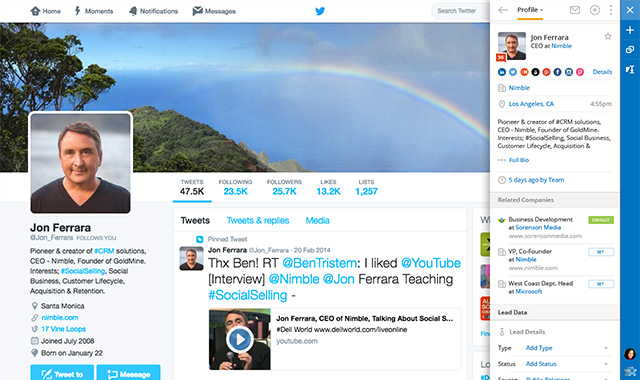
Today, 91% of organizations with over 10 employees have a CRM system. And for B2B companies, a CRM is often a basic essential. But are you leveraging it to execute account-based marketing (ABM) programs or build relationships with your audience over social? With traditional CRM systems, this becomes hard to do as there usually isn’t a social selling or marketing function. Nimble, a social selling and marketing CRM provider that’s been improving and iterating on its product since 2009, promises to change that. After integrating with your email, Nimble identifies the contacts that need to be entered into the CRM system and matches them with social profiles. This enriches your contact information to much more than just a name, title, and email address. In addition, this social integration allows you to track how your customers are interacting with your brand over social, as well as enables you to scour social networks for potential prospects. You can also segment your customers in Nimble and send them customized email messages, increasing the effectiveness of your ABM campaigns and saving you time. Nimble Marketing Technology Tool Image credit: Nimble

#2 - FeedOtter*

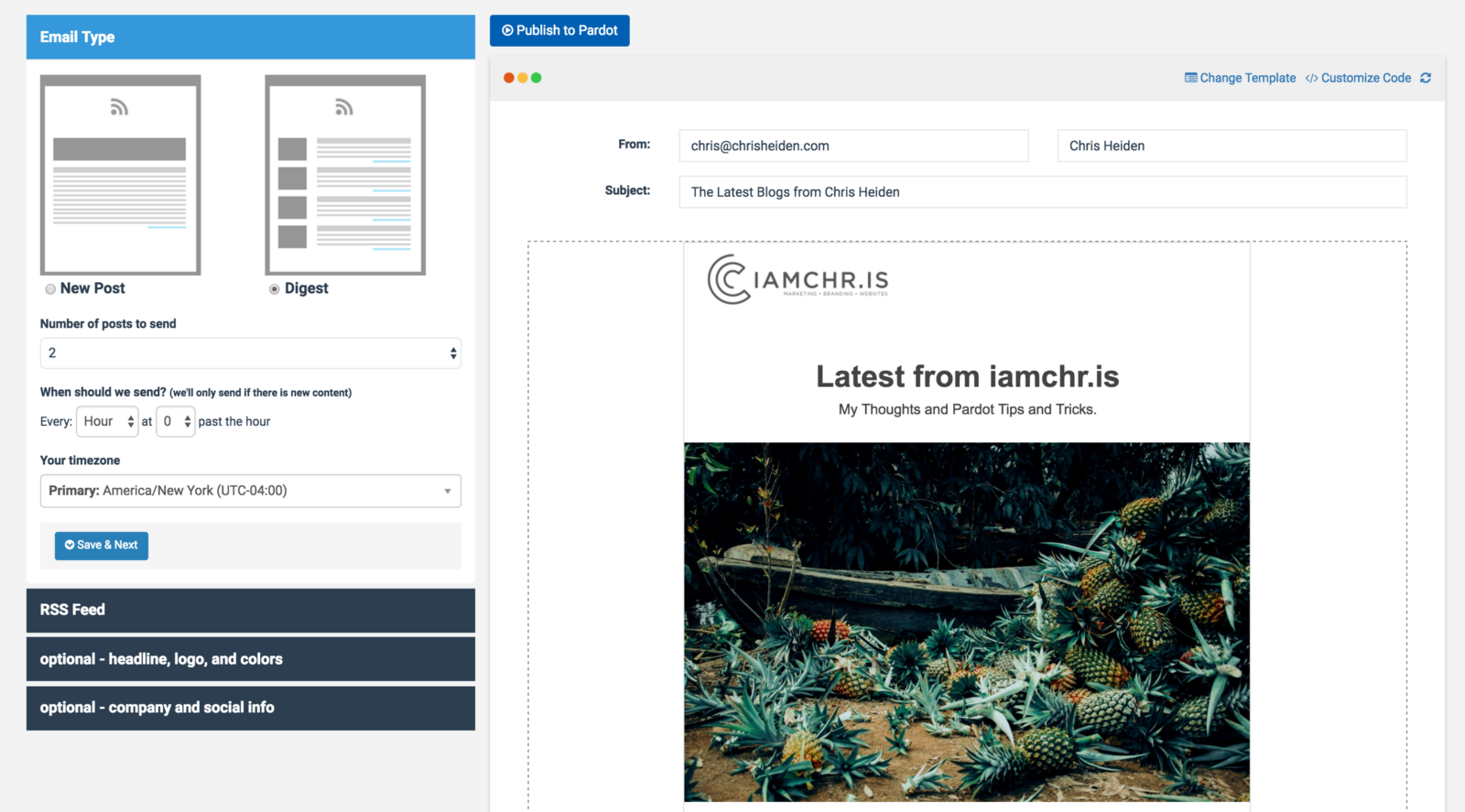
Content marketing is no longer a shiny new object. It’s core to B2B marketing strategies. In fact, Content Marketing Institute (CMI) stopped asking marketers whether or not they use it in their most recent research report. But as a result of wide adoption, it’s a well-known fact that brands have content and lots of it—and cutting through the clutter and making meaningful connections with your audience can be a big pain point. This often requires a healthy, smart mix of email marketing campaigns, on-page optimization, social media amplification, paid social/search, and more. FeedOtter has one of the easiest and most efficient ways to consistently get your content out there, and you don’t even have to think twice about it. Through an integration with your marketing automation platform (Pardot or Marketo), FeedOtter is able to automate RSS email and send it through your ESP or marketing automation software. The tool takes your RSS content and curates it automatically into a beautiful, templated email campaign. And for a more customized approach, you can pick and choose which pieces of content you want to include in your emails to create a personalized blog digest or newsletter. FeedOtter Marketing Tool Image credit: Medium * FeedOtter is a TopRank Marketing Client

#3 - RivalIQ

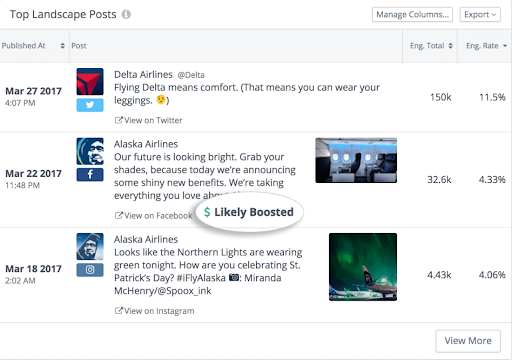
Competitive research is a routine task for any B2B marketer. But knowing what your competitors are publishing, how they’re interacting with customers, what their customers are saying about them, and more takes an incredible amount of time and research. However, there’s a tool that can help eliminate the need for extensive manual research. Since 2013, RivalIQ has provided competitive social media analytics that allow you to see exactly where you stand in relation to your competitors. You can see how quickly they’re gaining followers, how often they post over social, what their top messages were, what their average engagement rate is, and more. In fact, you can even see which of your competitor's posts were paid promotions, giving you insight into their social media strategy. With this information on hand, you can see if you’re moving ahead or lagging behind in performance, allowing you to make adjustments to your social strategy on the fly. RivalIQ Marketing Tool Image credit: RivalIQ

4 Underutilized Features From Your Favorite Tools

#1 - BuzzSumo’s Question Analyzer

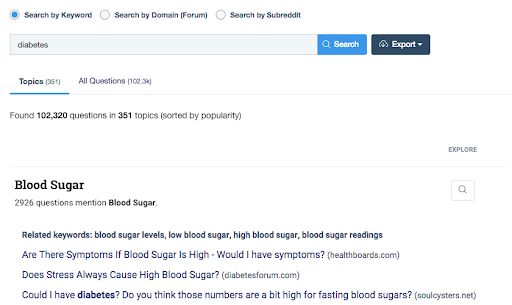
According to HubSpot’s State of Inbound 2018 Report, 55% of marketers say that content creation is their top priority. Cranking out content is easier said than done, however. You can’t just put out content for content’s sake, you need to make sure your content actually answers a customer question or solves a buyer's pain point—something we often refer to as best-answer content. BuzzSumo has been around for a while, but their Question Analyzer was just released in 2017 and it can help you ensure that the content you’re creating serves a real, specific need. Just enter in a keyword you want to target, and BuzzSumo will scour online forums, social media, Amazon, and Q&A sites to surface the most popular questions people ask using that term or phrase. As a B2B marketer, this is critical information to have that can help shape your content marketing strategy and monitor the topics and questions your buying audience is asking. And this feature can help you gather intel quickly. BuzzSumo's Question Analyzer Image credit: BuzzSumo

#2 - SEMRush’s Keyword Magic Tool

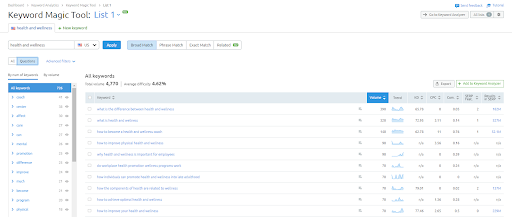
SEMRush is easily one of our favorite search marketing tools here at TopRank Marketing. Why? They’re constantly releasing new features that help us create better content and make more effective optimizations. One such feature is the Keyword Magic Tool in their SEO Toolkit. The Keyword Magic Tool has been around for the past couple of years, however, SEMRush has been expanding the tool to make it bigger and badder than ever before. The tool’s database is now home to 7.7 billion keywords, which the company says is the largest in the world. There are now 118 country databases, too. The tool is one of our go-to resources for informing our SEO strategies or coming up with new content ideas, saving time and providing meaningful insights. Instead of having to search each individual keyword we could target, a single search in the Keyword Magic Tool will gather all of the related keywords, their monthly search volumes, their competition scores, and even filter them based on categories and questions. SEMRush's Keyword Magic Tool Image credit: SEMRush

#3 - Google Analytics’ Custom Dashboards

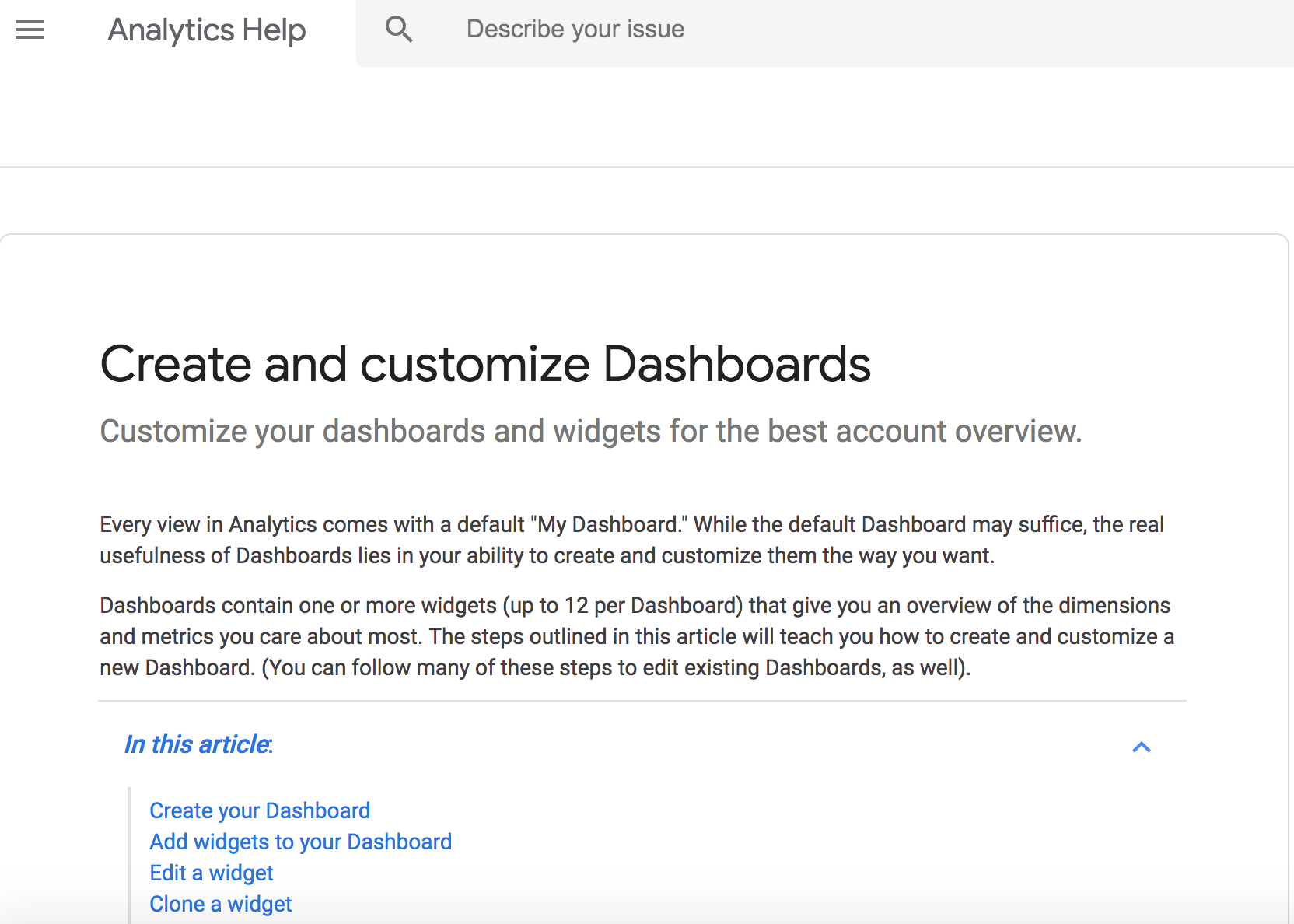
Google Analytics (GA) is included in nearly every marketer's toolkit in order to track their website performance, engagement, and so on. But GA is loaded with features and tools that can help you be more productive—and you might not even be leveraging them. For example, a top GA pain point can be the time it takes time to navigate through the platform to find the results you’re looking for. Plus, the reports take time to customize, load, and integrate with other data sources.This is where GA’s custom dashboards come in handy as they allow you to aggregate the data you actually care about and put it into one easy table. You don’t need to dig into several different reports to find what you’re looking for. Instead, you can create a dashboard with all of the information you need on a single page. And you can create several of them, allowing you to create segmented and tailored reports based on your specific KPIs. If you're already using custom dashboards, you should be asking yourself if you have an opportunity to do more. For example, at TopRank Marketing we have custom dashboards for each of our core services areas. Google Analytics Custom Dashboards

#4 - Ahrefs’ Rank Tracker

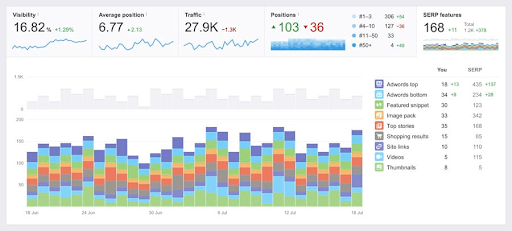
To grow your site’s organic traffic, increasing the quantity and quality of your rankings are a top KPI. But with rankings changing each and every day, your ranking performance is hard to track without a tool to do it with. Now, well-known SEO tool, Ahrefs, can track your rankings and historical rankings for you. Just last year, Ahrefs released their new Rank Tracker to help you keep tabs on your rankings and the rankings of your competitors—without an immense time commitment. This tool is especially helpful as it allows you to see your all-time historical rankings for each page of your site and even allows you to segment your rankings based on keyword group, position, SERP type, and more. Want to know how many featured snippets you have? The Rank Tracker can tell you that, too. Ahrefs Rank Track Image credit: Ahrefs

Stacking Up Your MarTech Tools

New marketing tools and features are being constantly released, and it’s up to you to evaluate them to see if they’re a good fit for your team and your overall marketing goals. To help spare you from having to do all of the work yourself, the above tools and features are some of the most helpful that we’ve come across. For more new technologies that can help improve your marketing productivity, check out our list of 54 Artificial Intelligence Powered Marketing Tools. What emerging marketing tools or new features for old favorites have caught your eye recently? Tell us in the comments section below.

The post 7 Efficiency-Boosting Martech Tools & Platform Features B2B Marketers Need to Consider appeared first on Online Marketing Blog - TopRank®.


from Online Marketing Blog – TopRank® https://ift.tt/2T0OS67
via IFTTT

Monday, 17 December 2018

A Framework for Change

Makers of Modern Marketing: Kelvin Gee

This installment of the Makers of Modern Marketing series finds us across from Senior Director of Modern Marketing Business Transformation, Kelvin Gee. This role takes Gee around the world as an evangelist, strategist, in-house consultant, marketing trainer, and enabler for modern marketing. He enables Oracle marketers to adapt to new marketing strategies, like account-based and content-driven marketing, by setting up a framework for success.

Transformation centers around three things for Gee: people, process, and technology. “The technology is what we gravitate towards,” says Gee, “but the people part is typically the hardest.” While technologies are capable of improving efficiency and pulling a company into the future, it also creates skill gaps. So, Gee helps marketers align technology with their business strategy and devise a plan to use the technology correctly. 

“You need to think about the necessary change to the people and process in order to use that technology correctly.”

Gee says that often companies that purchase marketing automation platforms, like Oracle Eloqua, may not deploy their first nurture campaign in the first year because they made a purchase without preparing for a process change. “Most organizations don’t have the right strategy in place to actually apply their technology. You need to think about the necessary change to the people and process in order to use that technology correctly.” Here Gee brings up the idea of an infinity loop that represents the customer lifecycle, with one side representing the “buy side” and the other the “own side”—you need to nurture both sides. 

With any technology purchase, it is important to ensure the company is able to employ the necessary process and people changes to ensure swift and effective deployment. When a customer can derive immediate value from their purchase not only will this boost retention and upsell, but the customer will become a brand advocate. 

At Oracle, there are several programs in place to help new customers learn how to make their products the most effective, from Launch Pad to Oracle Marketing Cloud Academy

As an internal consultant, Gee travels to Oracle offices around the world and helps teams design the right framework and strategy that will best suit their needs. He learns what the team is trying to achieve, what tools, systems, and the process they have in place—and from there he can identify gaps and design a program to fit their needs. He conducts unique workshops tailored to the team’s needs to equip them with the right tools to manage their shift in methodology or technology. 

Gee has recently been focused on helping Oracle adopt an account-based strategy in the coming years. He advises that a company seeking to make the shift to account-based have a strong and clear framework in place before they start. “You don’t need 23 and a half different strategies for your organization—you want one go-to-market strategy.” He cites Oracle’s strategy that hinges on four pillars for success: targeting, personalization, orchestration, and measurement. This ensures that everyone from the C-suite on down has a crystal clear understanding of what the goals are for your account-based strategy. 

And he adds, “you’ll need the people who understand account-based strategy.” People who understand how to align with sales, use the technology, and measure themselves. “Because if you measure account-based programs using traditional demand gen metrics, your numbers might actually look worse,” but that is because those metrics don’t translate well in account-based.

“We won’t even call it ‘account-based’ anymore— it will just be marketing.”

 “To be account-based, you must be customer centric,” Gee notes that with traditional demand gen, you start with the campaign, but with account-based, you start with the customer. It also requires marketing and sales to align at the top of the funnel to determine which accounts are the most important for Sales. 

An account-based strategy is a great way to get both marketing and sales on the same page, by focusing on the same accounts instead of just thousands of MQLs. In a few years, Gee predicts that “we won’t even call it ‘account-based’ anymore—it will just be marketing.” Until then, there is much work to be done setting organizations up for success. 

In his 7 years with Oracle, Gee says the biggest shift he has witnessed is the new focus on customer centricity, “which really starts with employee centricity,” he says. There has been a greater focus on why we do what we do—what gets us out of bed in the morning. It’s about storytelling and being a part of that story. This translates well with sales and marketing organizations that want to create more compelling content that engages customers. But in order to tell better stories, people need a framework for how to tell those stories. “There’s an easy-to-remember framework for telling better stories: defining the setting, character, conflict, and resolution.” 

Storytelling is just one piece of what Gee thinks every great marketer needs to have. Data-driven is, of course, the second piece. However, the final attribute that Gee offers is not one I often hear: empathy. “You need empathy to be customer-centric—being able to see the world from the customer’s eyes.” In a world where everyone is constantly pummeled with mountains of content, marketers need to be able to understand what keeps their customers up at night. 

Gee is excited to be working in marketing right now and views the transition to cloud as a once in a lifetime opportunity. “Once a company transitions to the cloud, they don’t go back to on-premise,” he explains. For this reason, Gee has positioned himself as a facilitator for change and works to make that possible across the globe.

________________

Makers of Modern Marketing is a blog series dedicated to the drivers, architects, and risk-takers behind marketing at Oracle to give readers a peek into how we are applying our own products to drive innovation and build the future of digital marketing. Don't miss our previous episode on Building the Foundation of Digital Marketing Success featuring Patrick McGavock, Senior Director- Marketing Systems of Global Marketing Operations.


from Oracle Blogs | Oracle Marketing Cloud https://ift.tt/2ScO0vb
via IFTTT